Blog

  • Little Bird Chopstick Rests

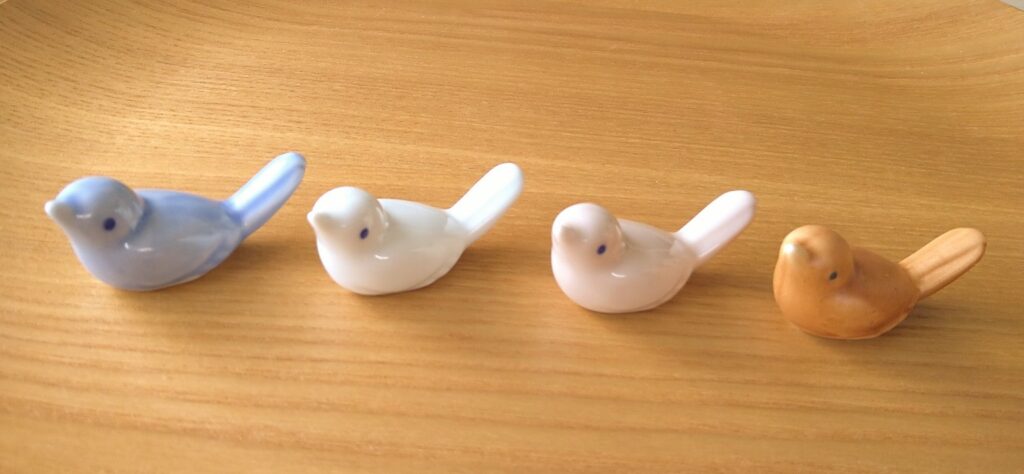
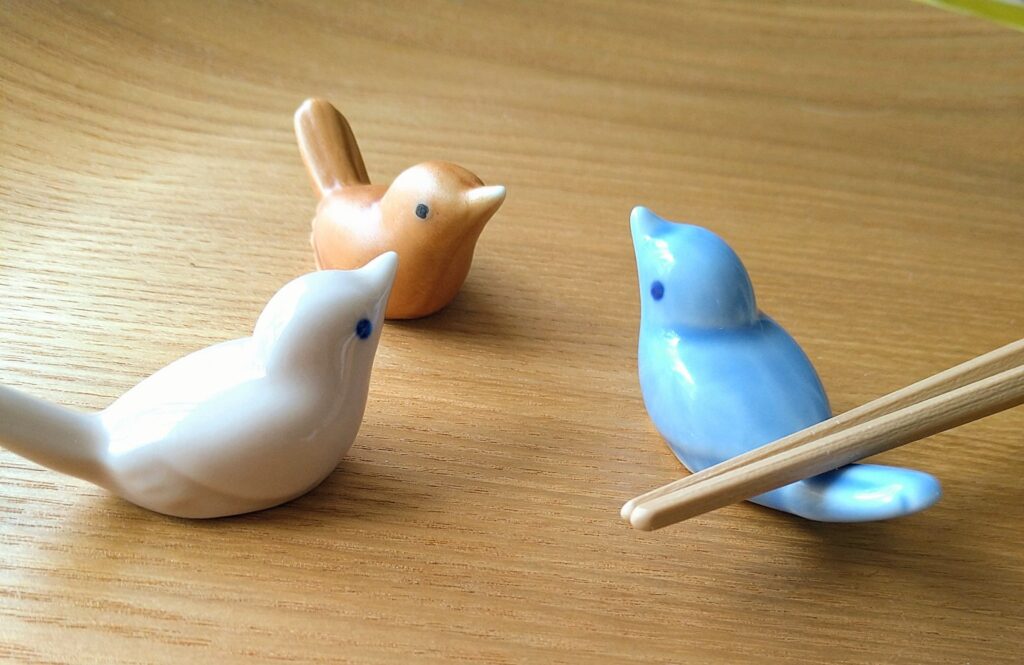
    Small bird-shaped chopstick rests made in Hasami, Nagasaki.
    They are simple, but add a gentle warmth to the table.

    Made by a workshop called Kyosen,
    they are part of Hasami ware — Japanese porcelain known for everyday use.

    Each piece is handmade,
    so the colors, expressions, and shapes vary slightly.

    The softly rounded form
    and the slightly lifted tail
    give each bird a light, cheerful feeling.

    They come in light blue, white, pink, and brown.
    I currently have four,
    but there also seems to be a yellow one.

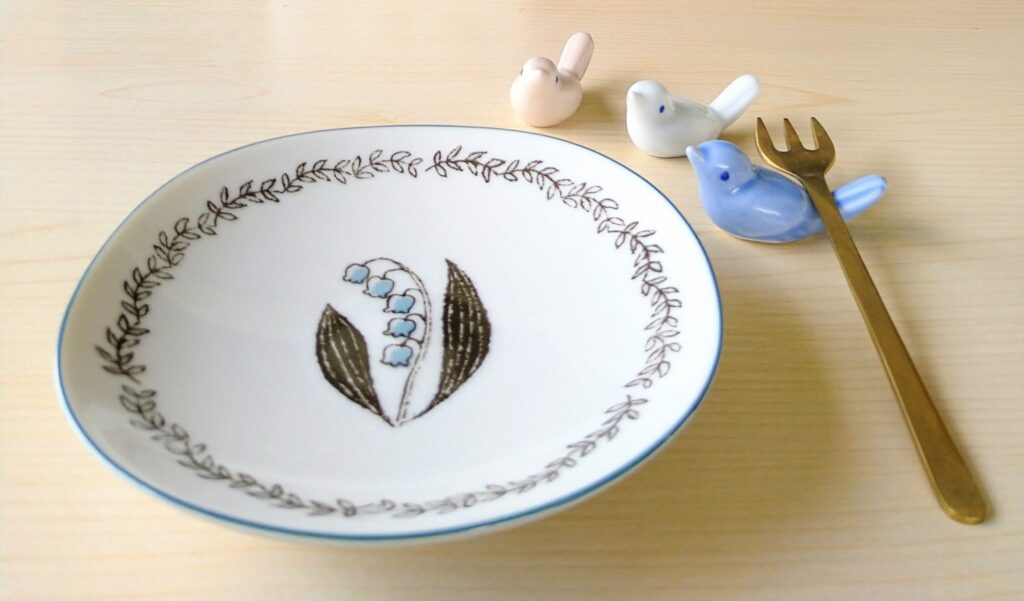
    They are lovely on their own,
    but placing a few together
    creates a small, quiet scene on the table.

  • Coffee Bean Chopstick Rests (Mino Ware)

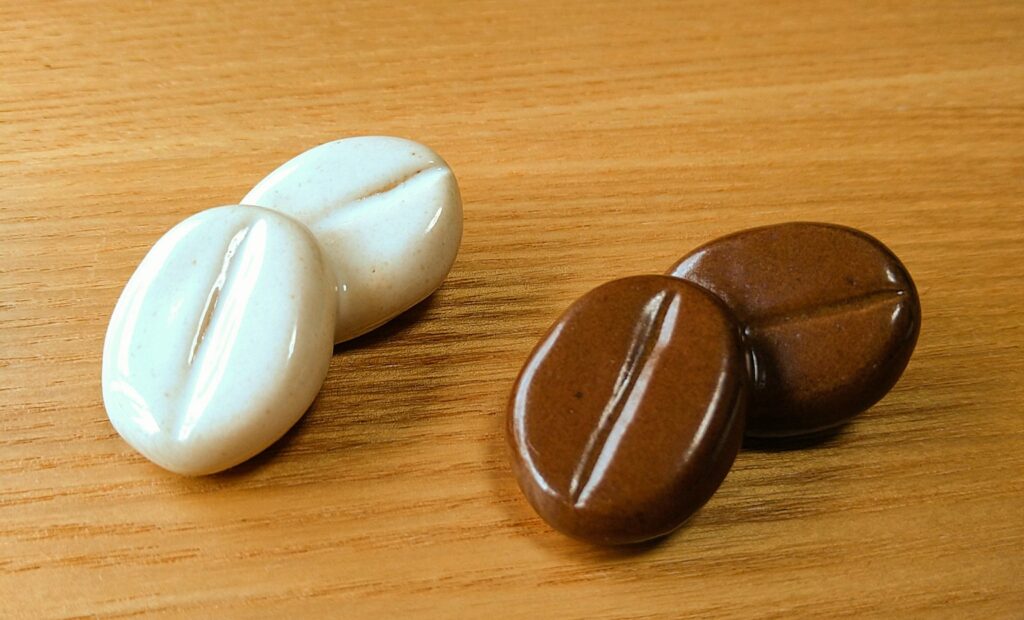
    These chopstick rests are shaped like coffee beans.

    One represents a green coffee bean,
    while the other resembles a dark roasted bean.

    They are made of Mino ware,
    a type of pottery produced in Gifu Prefecture, Japan.

    The difference in color is subtle,
    but placing them side by side is quietly enjoyable.

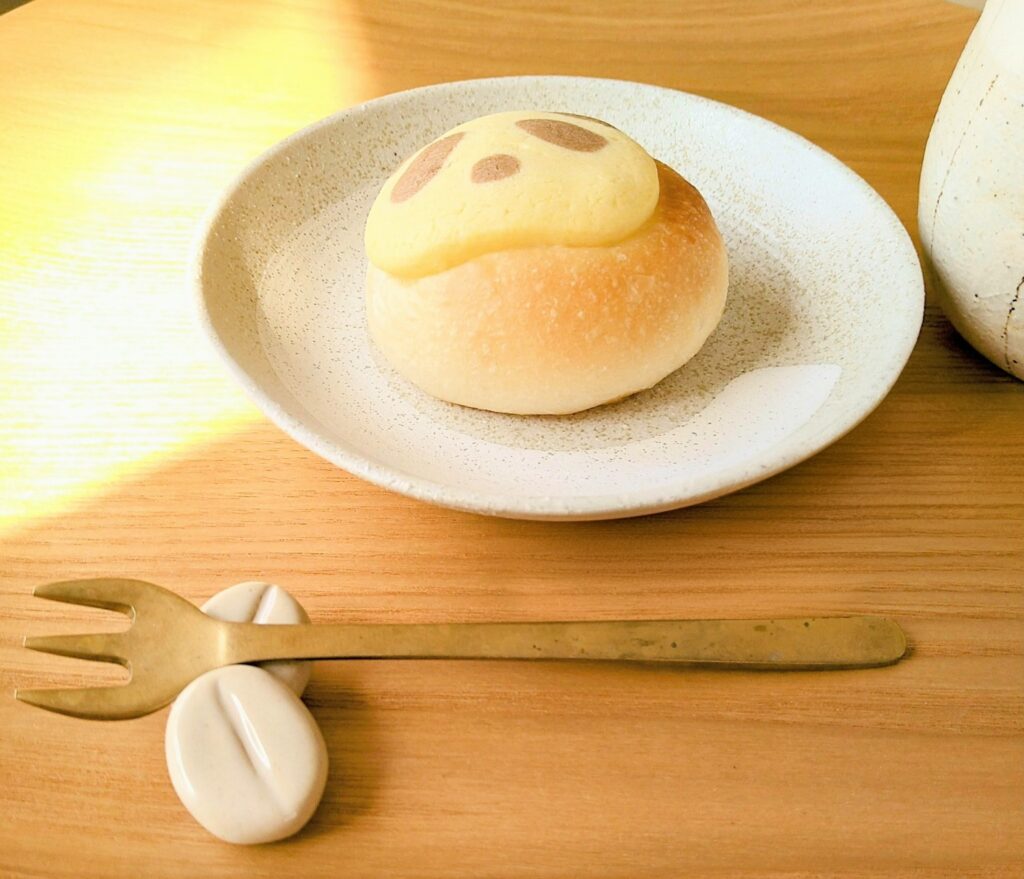
    I often use them when serving coffee and cake,
    or during a small afternoon coffee break.

    Resting a small fork on a “coffee bean”
    feels like a playful detail on the table.

    They are simple objects,
    yet they add a small moment of humor
    and warmth to the setting.

  • Japanese Glass Chopstick Rests

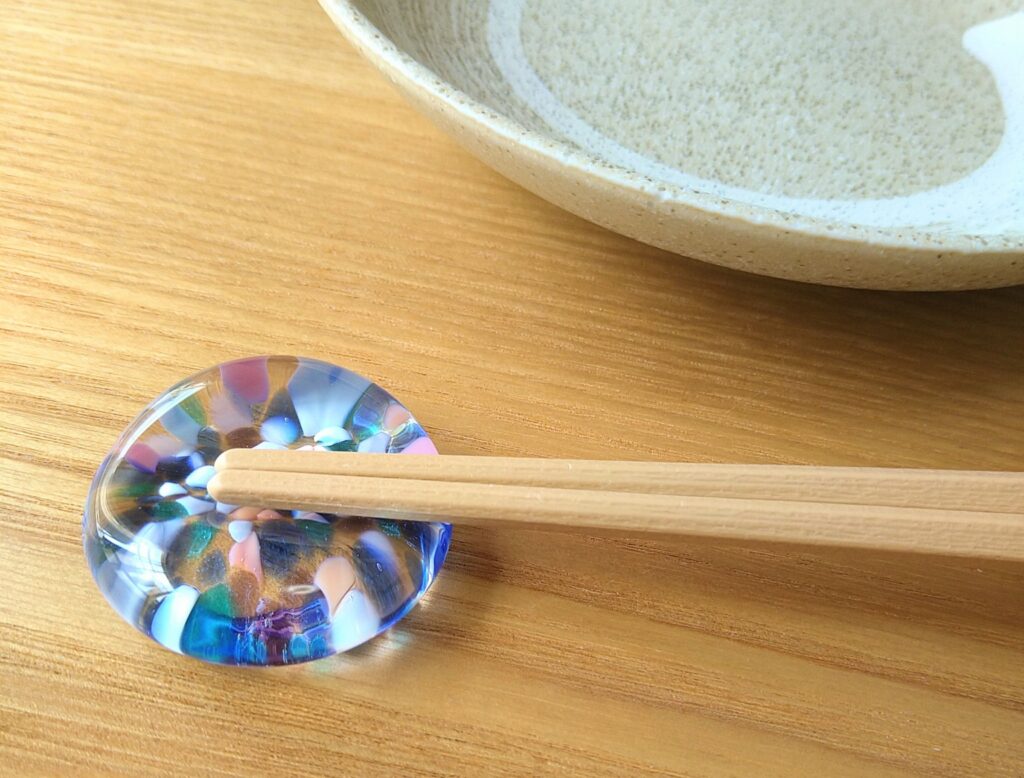
    Glass chopstick rests have a different kind of charm compared to ceramic ones.

    Their transparency adds a light, refreshing feeling to the table.
    Depending on the angle and the way light passes through, their appearance shifts subtly.

    They are also easy to wash,
    which makes them practical for everyday use.

    I often use them from spring to summer,
    choosing designs inspired by seasonal flowers and scenery.


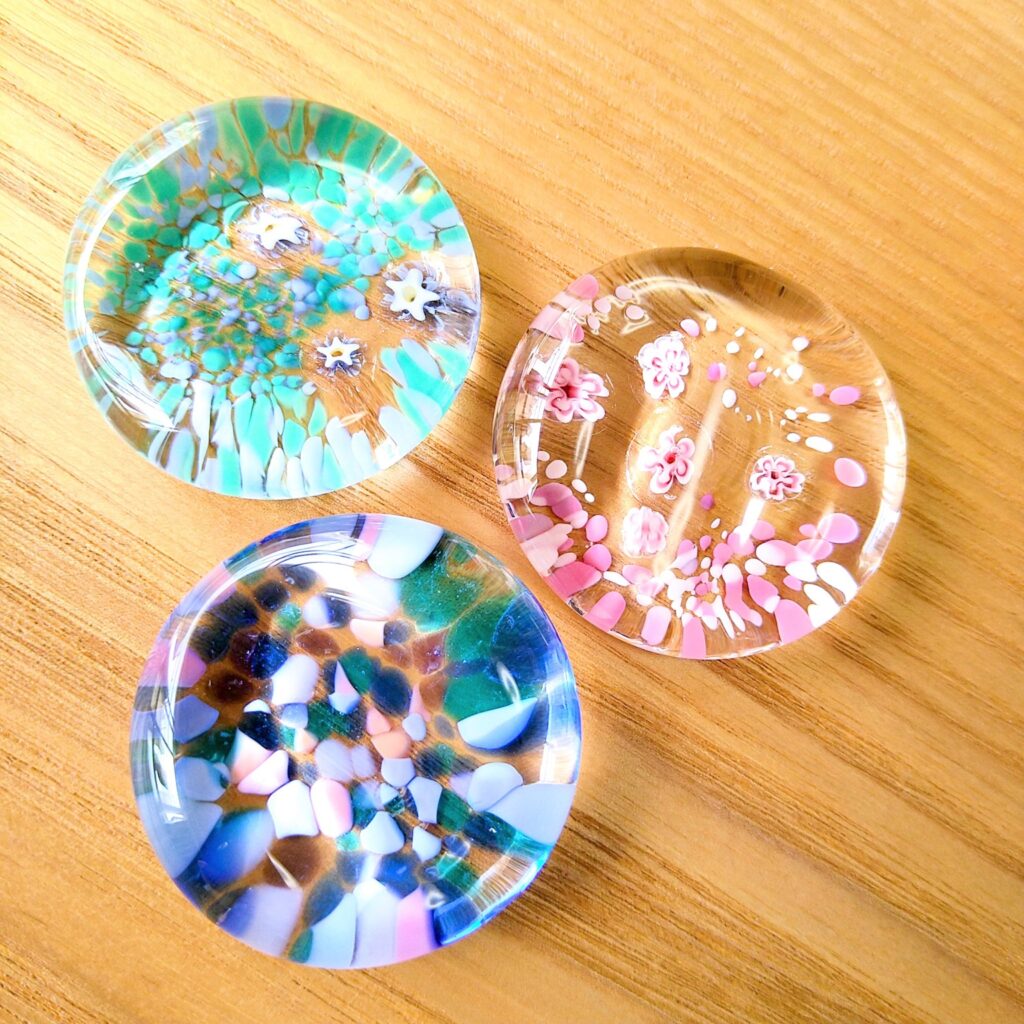
    Green: kikyo (bellflower) Pink: sakura (cherry blossom) Blue: Yunagi no Sora — a calm evening sky

    Seasonal Flowers (Ishizuka Glass)

    These chopstick rests are from Ishizuka Glass’s “Seasonal Flowers” series.

    The designs are inspired by plants from each season —
    plum and cherry blossoms in spring,
    morning glory and kikyo in summer,
    maple leaves and osmanthus in autumn,
    and camellia and nandina in winter.

    When light touches the clear glass,
    small flowers and colored specks appear softly through it,
    creating a slightly dreamy impression.

    I often use the cherry blossom design in spring
    and the kikyo design in summer.


    Yunagi no Sora (Aderia / Tsugaru Vidro)

    This piece is from Aderia’s Tsugaru Vidro series
    called “Nihon no Iro Fukei” (Colors of Japanese Scenery).

    The series expresses seasonal landscapes
    using small pieces of colored glass.

    Some of the designs include:

    Spring Hill
    Dancing Cherry Blossoms
    Summer Fields
    Sunflowers
    Hydrangea
    Evening Calm Sky
    Fireflies at Dusk
    Winter Lights

    “Yunagi” refers to a quiet moment in the evening
    when the wind settles and the sea becomes calm.

    The soft blend of pale blue, pink,
    and a touch of orange
    reminds me of the sky at summer dusk.

    Though it is a small object,
    it feels like placing a piece of scenery on the table.


    Glass chopstick rests reflect light beautifully
    and add a subtle sense of season to everyday meals.

  • Aji (Grilled Horse Mackerel) Chopstick Rest

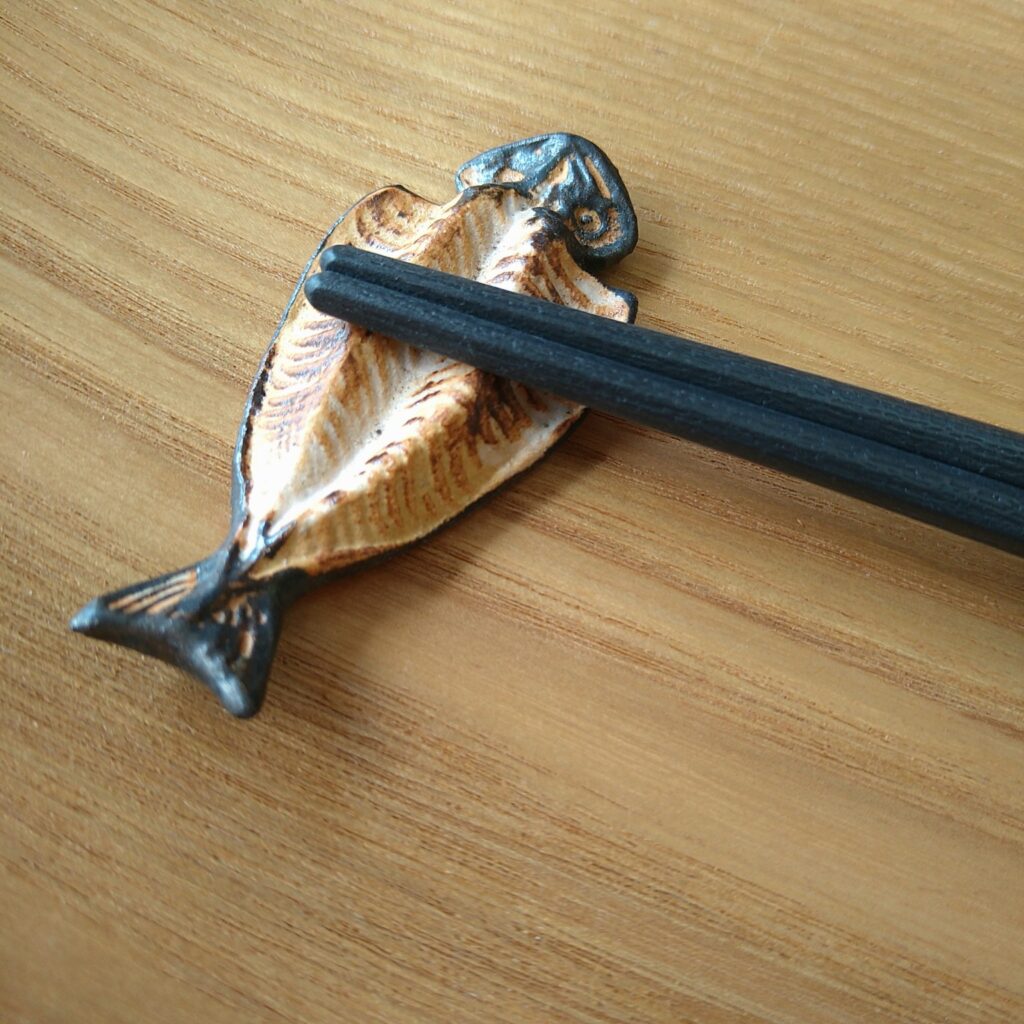
    A grilled fish–shaped chopstick rest inspired by aji no hiraki
    — a butterflied, dried horse mackerel commonly eaten in Japan.

    It recreates the look of a whole grilled fish,
    with golden tones and subtle texture carefully expressed in ceramic.

    Despite its realistic appearance,
    it adds a slightly playful and humorous touch to the table.

    These chopstick rests are made by Ihoshiro Kiln
    in Mizunami, Gifu — a region known for Mino ware pottery.

    Each piece is shaped and painted by hand,
    so the color and details vary slightly from one to another.

    It pairs naturally with Japanese tableware,
    and when placed on the table,
    it almost feels like a small side dish has been added.

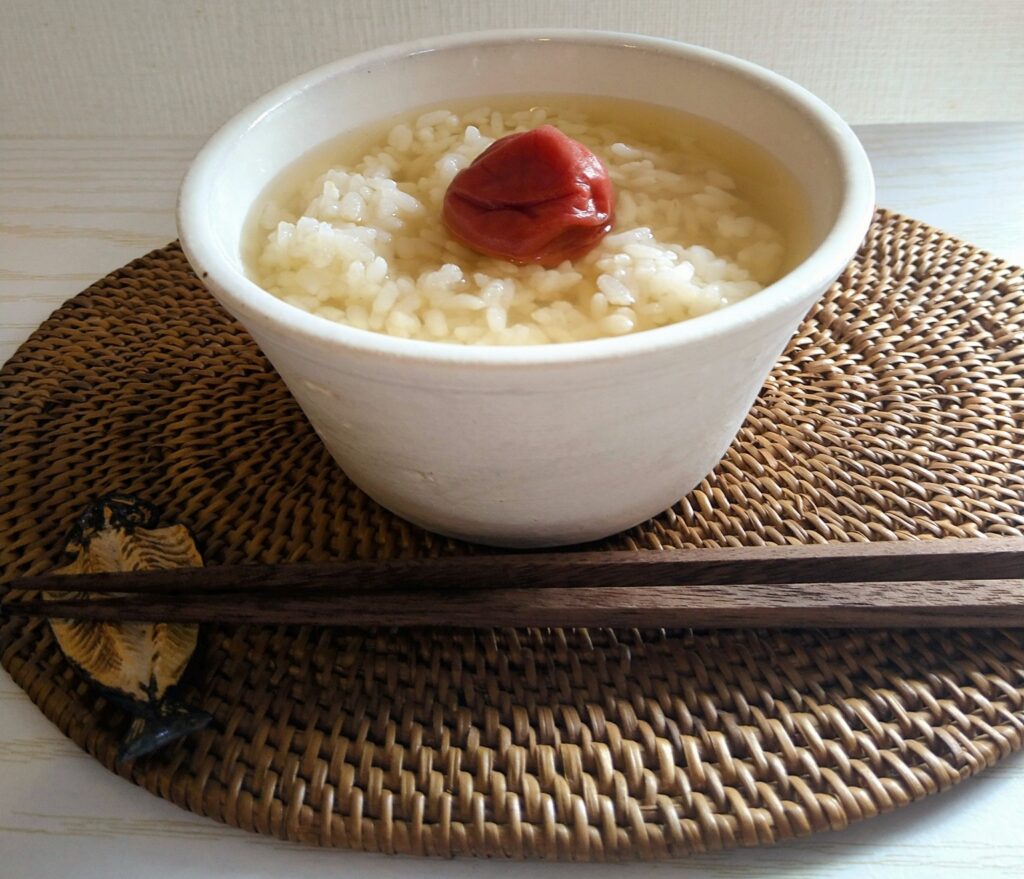
    Ume dashi chazuke — rice with warm broth and pickled plum.

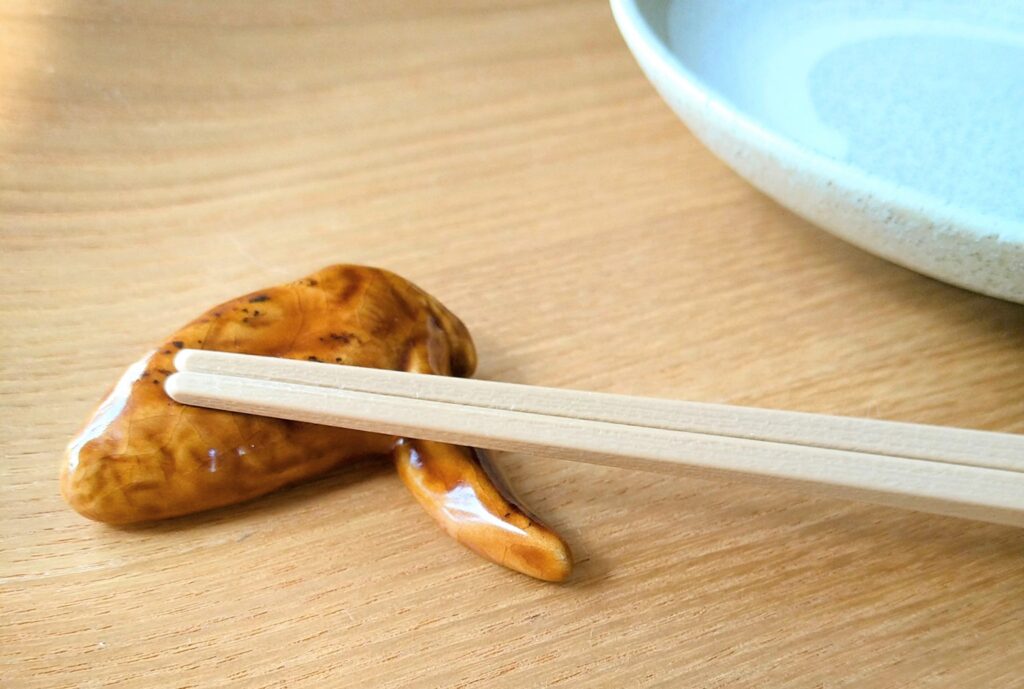
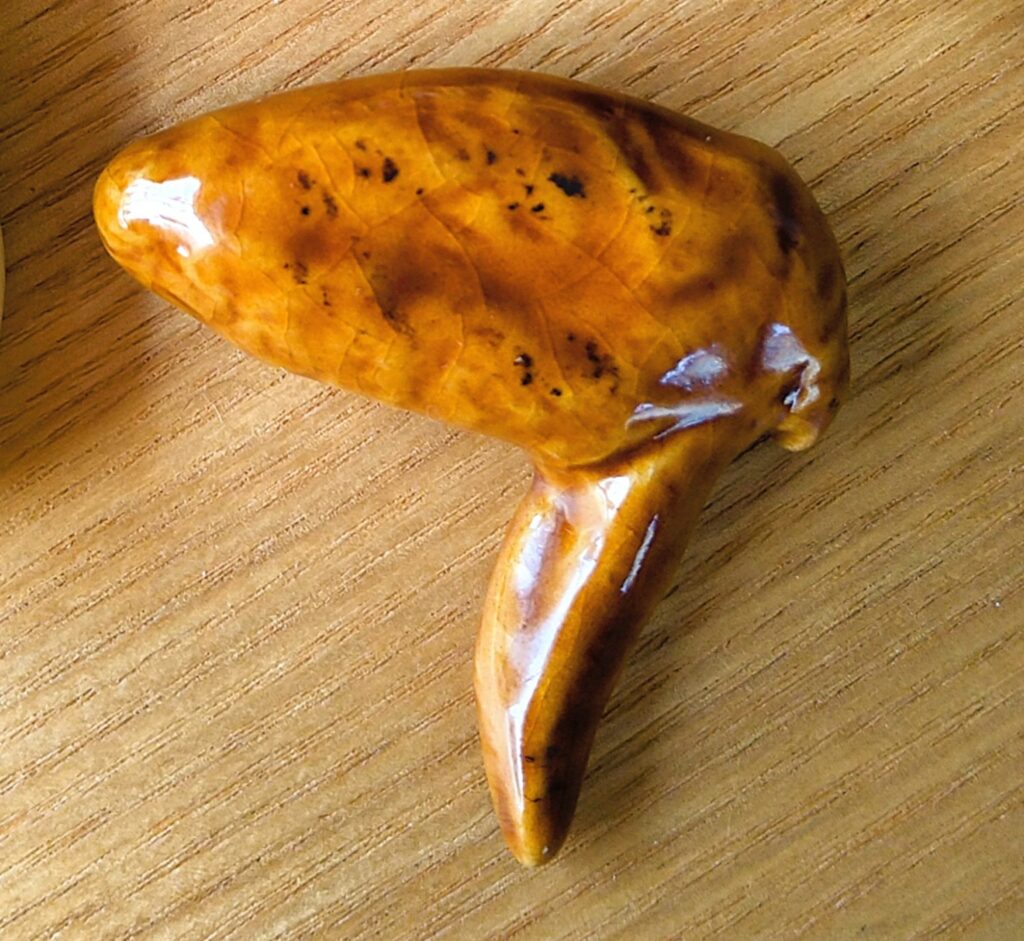
  • Chicken Wing Chopstick Rest

    A chicken wing–shaped chopstick rest made in Mino ware.

    Its color and texture resemble grilled chicken skin,
    captured in ceramic with surprising detail.

    Though slightly unusual in appearance,
    it adds a subtle, playful touch to the table.

    Made in Gifu, one of Japan’s well-known ceramic regions,
    each piece is shaped and finished by hand,
    with slight variations in color and form.

    It’s also relatively affordable,
    making it easy to enjoy as part of everyday tableware.

    When placed on the table,
    it often becomes a small conversation piece.

    It’s the kind of object
    that brings a quiet smile
    each time you use it.

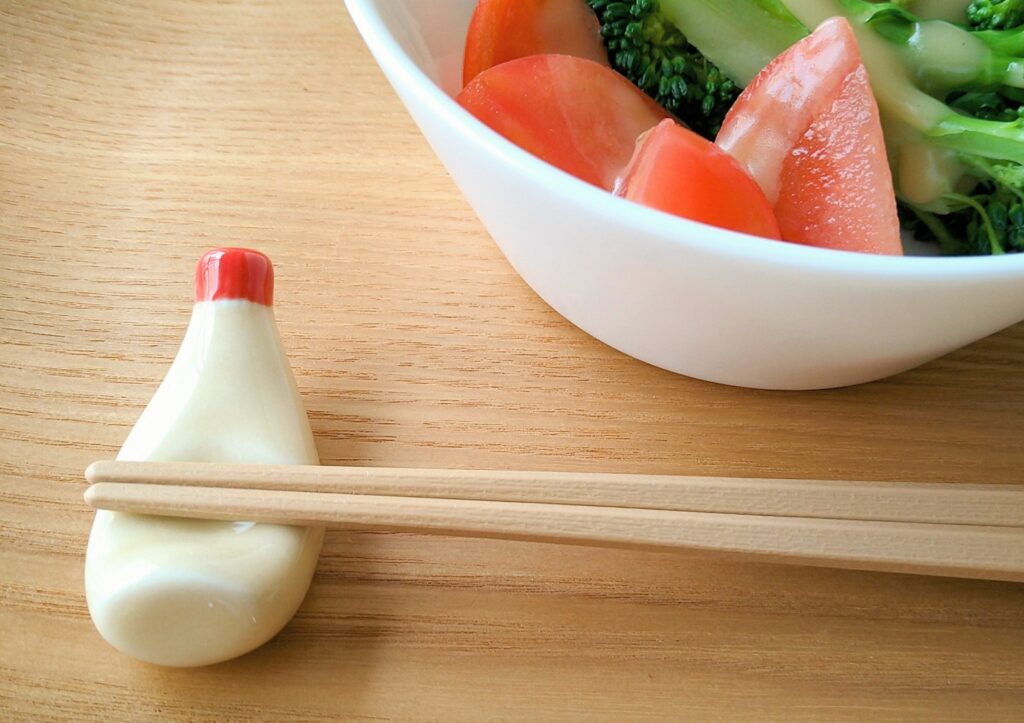
  • Mayonnaise Chopstick Rest

    A mayonnaise-shaped chopstick rest made in Arita ware.

    Its red cap and soft cream-colored body
    closely resemble the familiar Kewpie mayonnaise bottle in Japan.

    With its playful appearance,
    it adds a light and unexpected touch to the table.

    This piece is made by Kitagawa Yoshinobu Kiln in Saga,
    and is part of a series that also includes ketchup, okonomiyaki sauce, and tartar sauce designs.

    The shape looks like mayonnaise just squeezed from a bottle,
    with a gentle curve in the middle.

    That small indentation makes it easy to rest chopsticks securely.

    Though slightly humorous in design,
    it feels thoughtfully made when used.

    It’s both practical and playful —
    a small detail that brings a bit of character to the table.
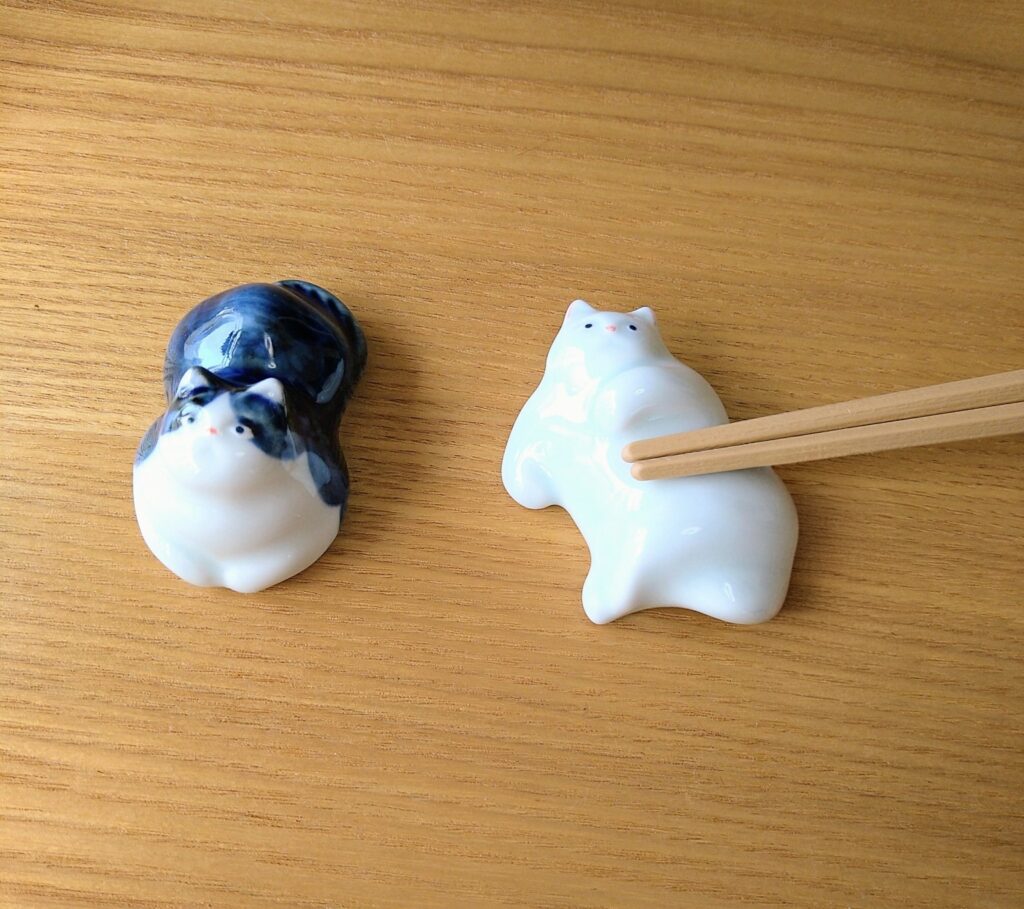
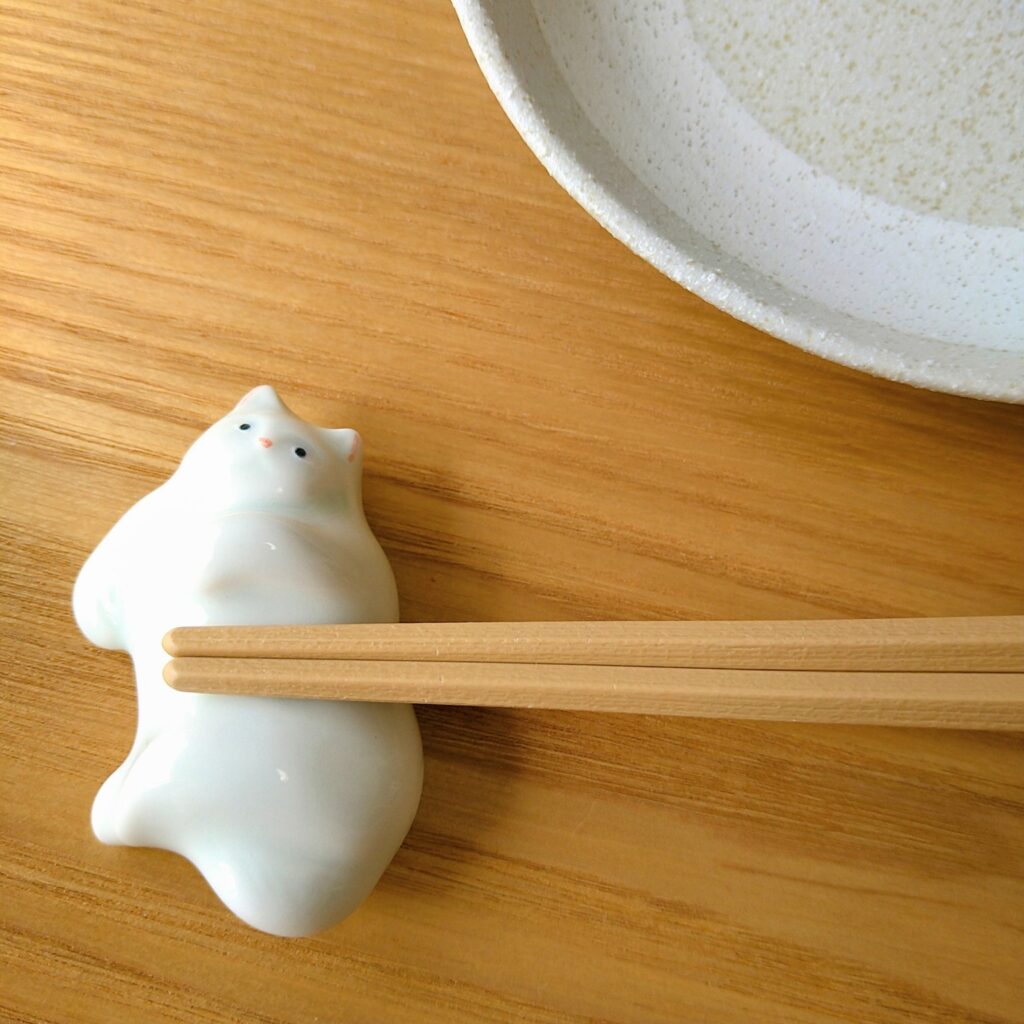
  • Cat Chopstick Rest

    Small cats resting quietly on the table.

    A cat-shaped chopstick rest made in Hasami ware.

    It’s produced by Kyosen,
    a pottery workshop in Nagasaki, Japan.

    The series includes two patterns —
    a white cat and a bicolor cat —
    each with five different poses.

    The names are based on Japanese onomatopoeic words
    that describe small, cat-like movements.

    The two I have are Mukuri,
    a cat gently lifting its head,
    and Poteri,
    a cat lying on its back with its belly exposed.

    Other poses include Kururi (curled up),
    Jirori (quietly staring),
    and Gorori (rolling over).

    The piece is slightly larger than many chopstick rests
    and has a pleasant weight,
    so it can also be used as a small paperweight.

    Poteri,” a small cat-shaped chopstick rest with a softly rounded form.

    Most of the time, though,
    it sits beside my chopsticks,
    quietly adding a soft, playful presence to the table.

    It’s a small object,
    but one that cat lovers will likely appreciate.

  • The Soy Sauce in My Kitchen

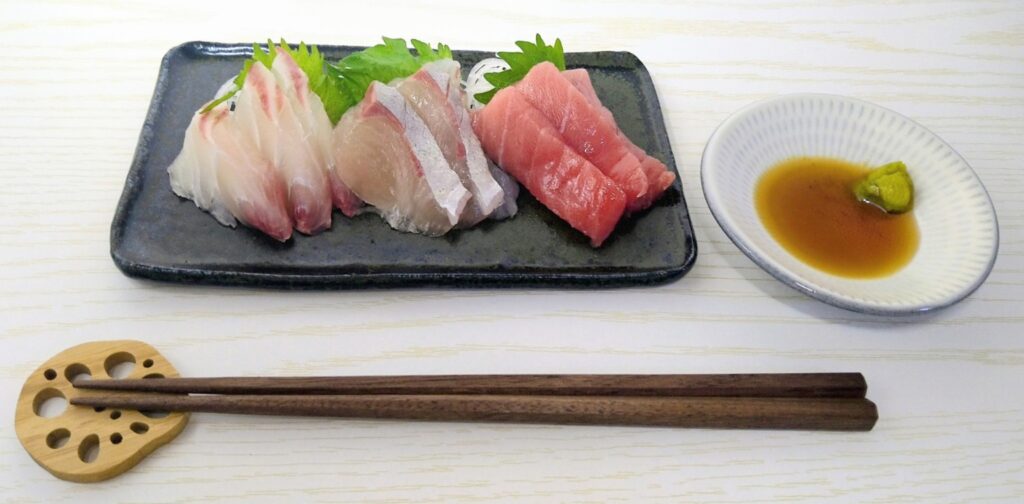
    Sashimi with soy sauce and wasabi.
    From left: sea bream, yellowtail, and tuna.

    A light-colored usukuchi soy sauce
    I use in everyday cooking.


    Why I Use It

    In many Japanese households,
    koikuchi soy sauce is the standard.

    But in my kitchen,
    I tend to use usukuchi soy sauce.

    Its lighter color helps keep
    the ingredients and broth clear,
    while still adding depth of flavor.


    The One I Use

    The one I use is
    Higashimaru’s “Ginshun Hojun”
    Tokusen Marudaizu Usukuchi Soy Sauce.

    It’s made in western Japan
    and is easy to find at a reasonable price.

    Made from soybeans, wheat, salt, and rice —
    all sourced in Japan —
    it feels simple and easy to trust.


    Flavor

    It has a faint sweetness
    and a very clean taste.

    Almost like an extension of salt,
    it enhances the flavor of ingredients
    without overpowering them.

    There’s little bitterness or harshness,
    just a gentle layer of umami.


    Design

    The bottle dispenses one drop at a time
    and helps keep air out,
    so the flavor stays fresh until the last drop.


    How I Use It

    I use it in everyday cooking,
    especially when I want a clean, balanced taste.

    One of my favorite ways to enjoy it is with sashimi.

    I mix a little soy sauce with yuzu kosho,
    dip the fish lightly,
    and place it on warm rice.

    Wrapped in nori,
    it becomes a simple meal
    I never get tired of.


    Closing

    Nothing fancy.

    Just something I feel comfortable
    keeping in my kitchen every day.

  • Aguni Salt

    A Japanese sea salt made from the coral-rich waters
    surrounding Aguni Island in Okinawa.


    How It’s Made

    The seawater is first pumped into a tall salt tower
    filled with bamboo branches.

    As it flows repeatedly over the bamboo,
    wind and sunlight slowly evaporate the moisture,
    gradually concentrating the salt.

    The brine is then simmered in traditional flat kettles
    over a wood fire and carefully dried.

    The entire process takes several weeks.


    Flavor and Character

    Rich in natural minerals,
    Aguni salt has a clean, well-balanced taste.

    Its color is slightly off-white,
    with soft hints of pale pink and beige.


    How I Use It

    In my kitchen,
    I tend to use this salt in cooking
    rather than sprinkling it directly on food.

    It works especially well in grilled dishes,
    simmered dishes, and soups,
    where a gentle, balanced saltiness is needed.


    Key Details

    • Made from 100% Okinawan seawater
    • Produced using a traditional tower and flat-kettle method
    • Naturally rich in minerals

    Other Japanese sea salts I use

    Toppenn Salt

    Nuchimasu

  • Nuchimasu

    In the Okinawan dialect,
    “nuchi” means life
    and “maasu” means salt.

    The name reflects the idea
    that salt is something essential to life.

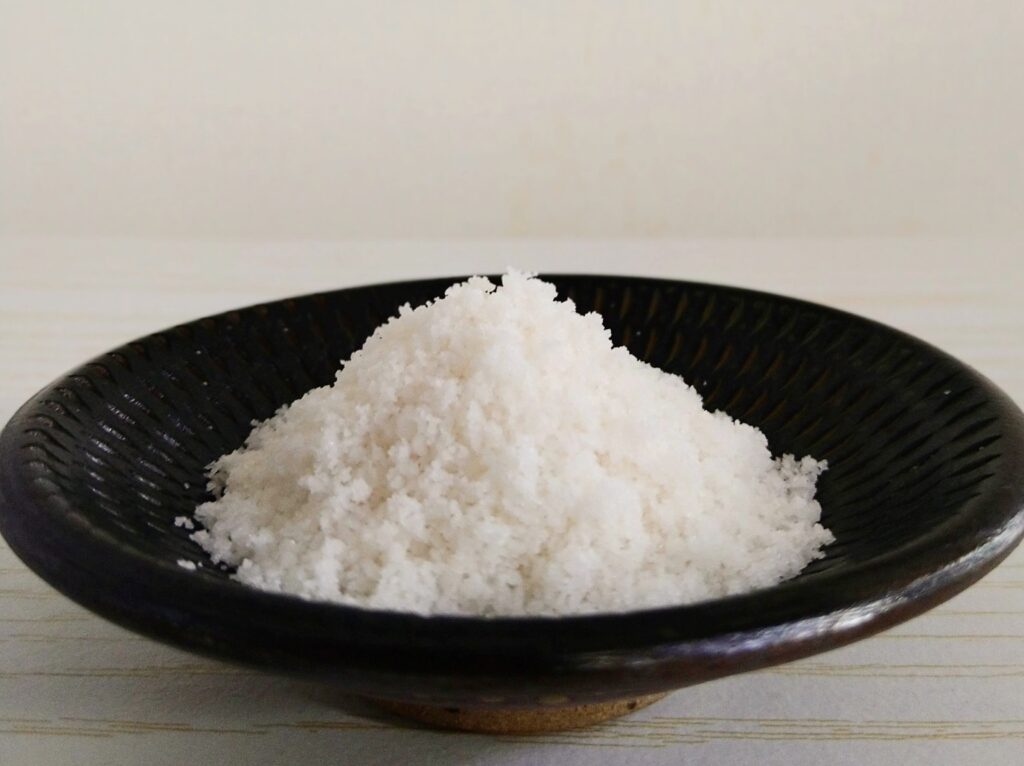
    Nuchimasu is a Japanese sea salt made in Okinawa.

    It is produced using only seawater
    from the Pacific side of Miyagi Island,
    with no additives.

    Instead of being boiled,
    the seawater is turned into a fine mist
    and crystallized in the air.

    Because the process avoids high heat,
    many natural minerals remain,
    creating a very fine, powder-like salt.


    Flavor

    The taste is mild and rounded,
    bringing out the natural flavor of ingredients.

    Because it dissolves quickly,
    it works well with simple dishes such as
    rice balls, sashimi, tempura,
    or light dressings.


    Things to Keep in Mind

    The salt is sensitive to humidity,
    so it’s best stored in an airtight container,
    often with a desiccant.


    Key Details

    • Made from 100% Japanese seawater
    • Rich in natural minerals
    • Produced using an air-crystallization method
    • Fine powder texture that dissolves easily

    Closing

    A small change,
    but one that quietly affects how food tastes.

    If you’re curious about Nuchimasu,
    you can see it here.

    See Nuchimasu on Amazon

    Other Japanese sea salts I use

    Toppenn Salt
    Aguni Salt