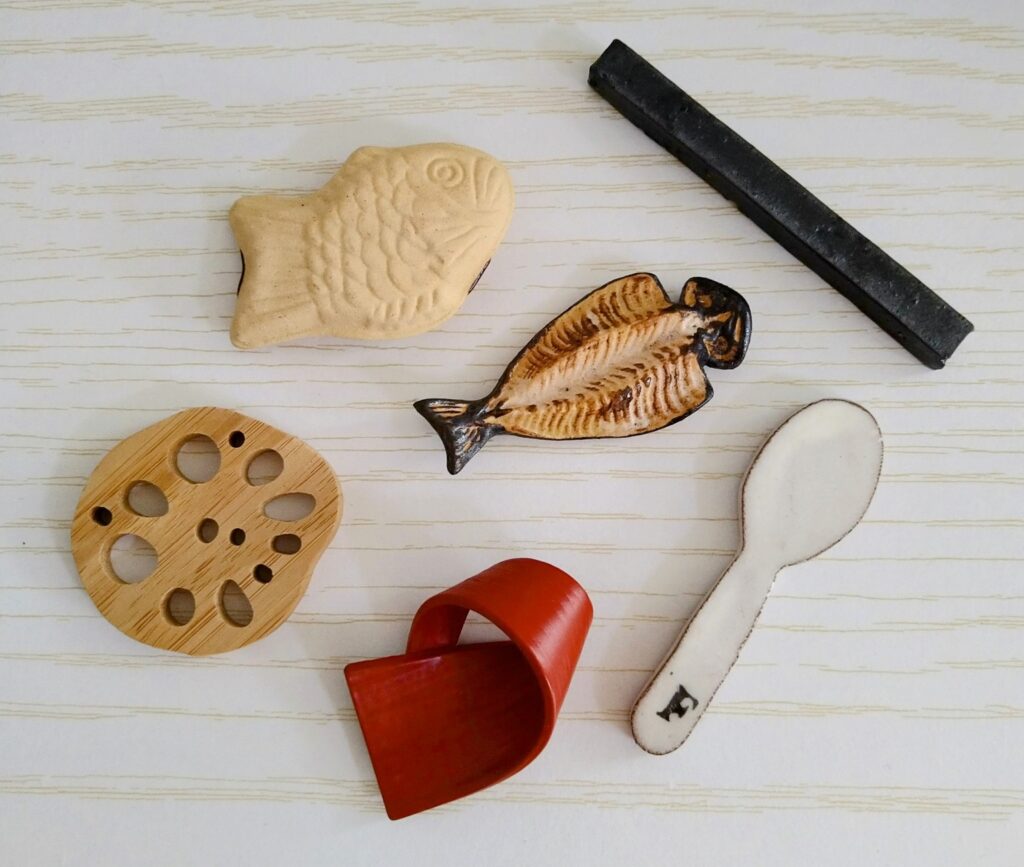
A Small Detail That Shapes the Table
Even the smallest objects can quietly change the atmosphere of a meal.
In Japanese dining,
a chopstick rest is often placed beside the plate.
In Japanese, it is called hashioki (箸置き).
Why They’re Used
A chopstick rest keeps the tips of chopsticks
from touching the table
and prevents them from rolling.
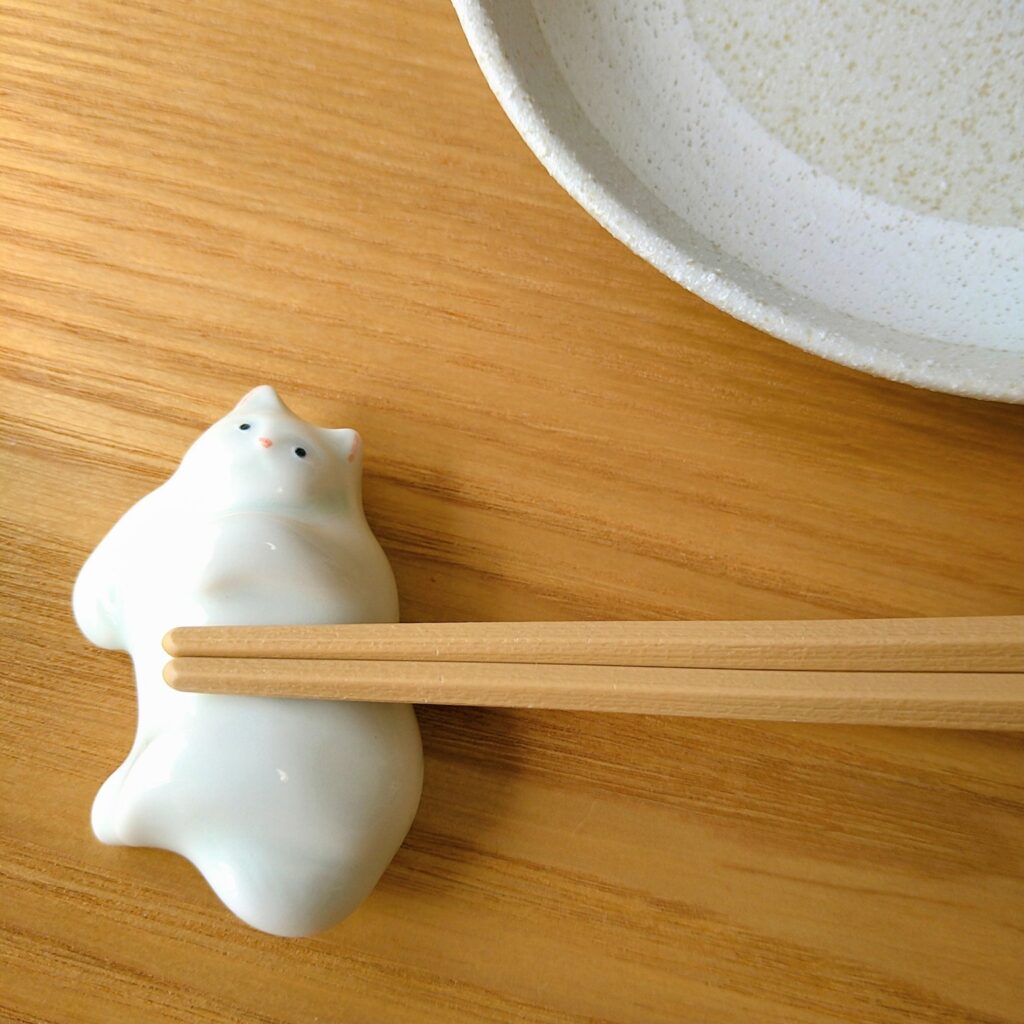
It’s a small detail,
but it helps keep the table clean
and gently organized.
Although they are called chopstick rests,
they can also be used to hold forks or spoons.
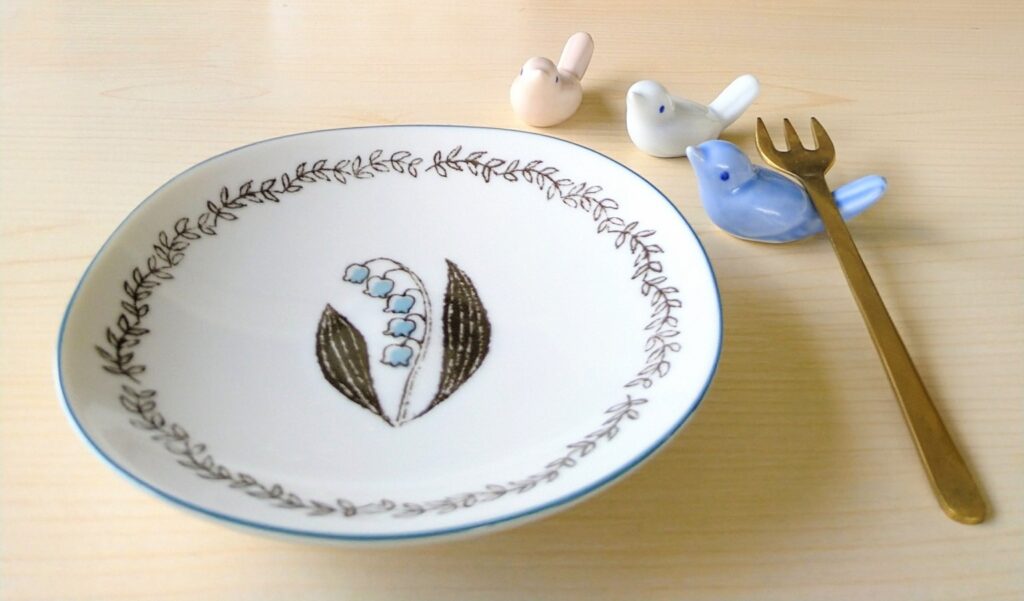
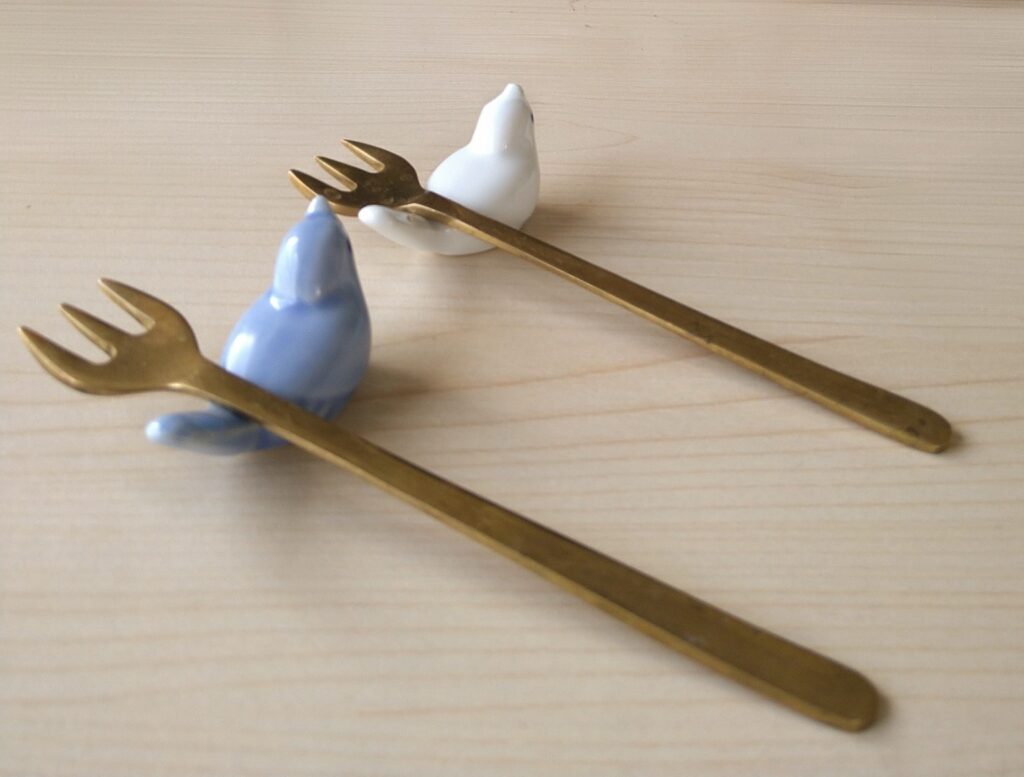
Small bird-shaped chopstick rests
paired with simple dessert forks.
Some people even use them to hold notes,
like a small paperweight,
or simply display them as decorative objects.
A Variety of Materials
Chopstick rests come in many different materials.
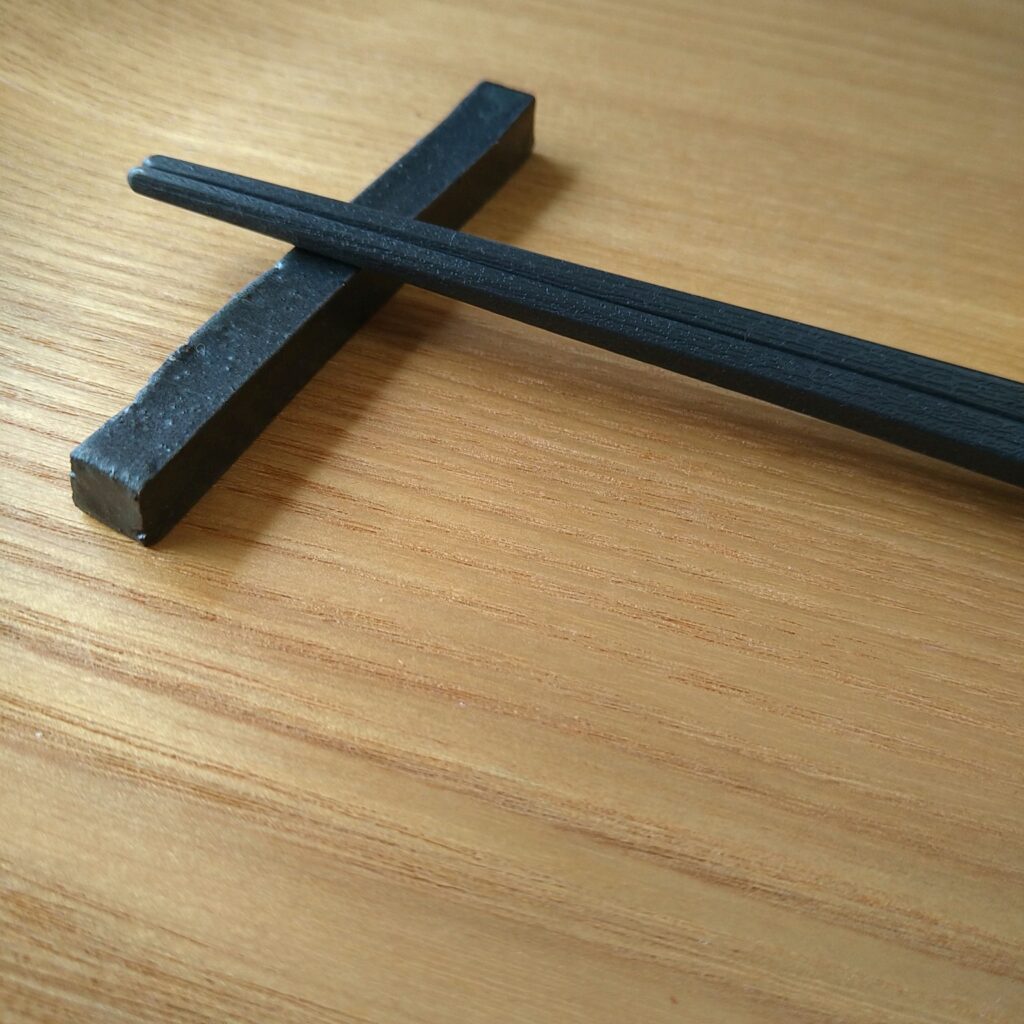
Ceramic is one of the most common,
often seen in traditional Japanese tableware.
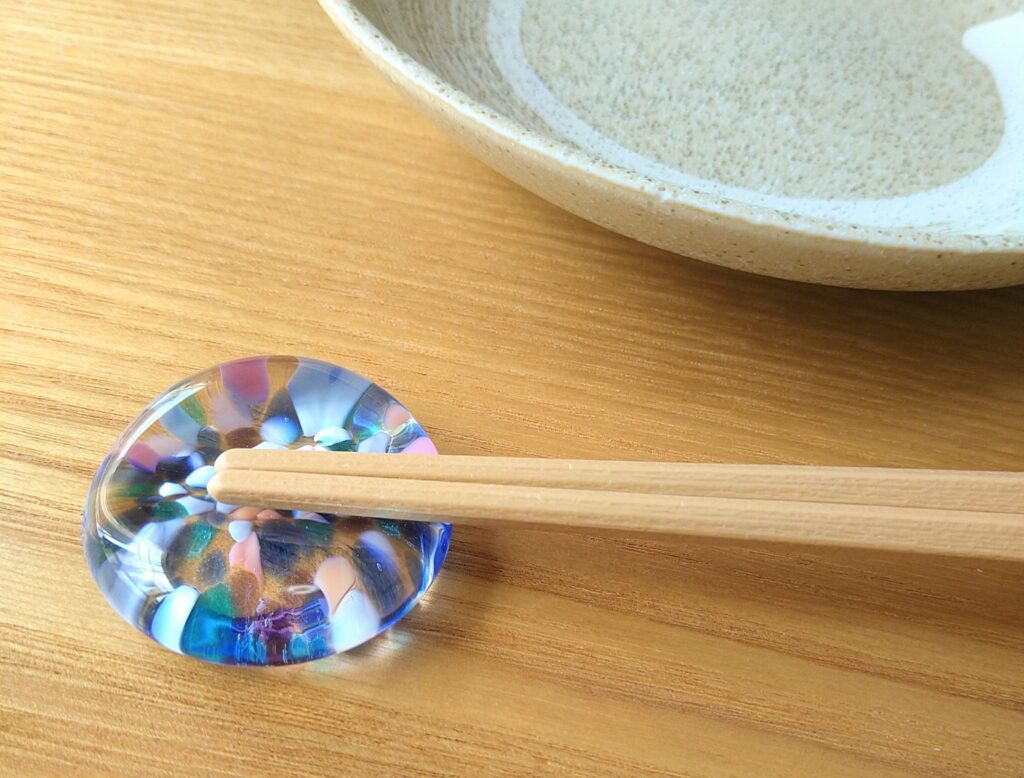
Glass chopstick rests feel light and cool,
making them especially popular in summer.
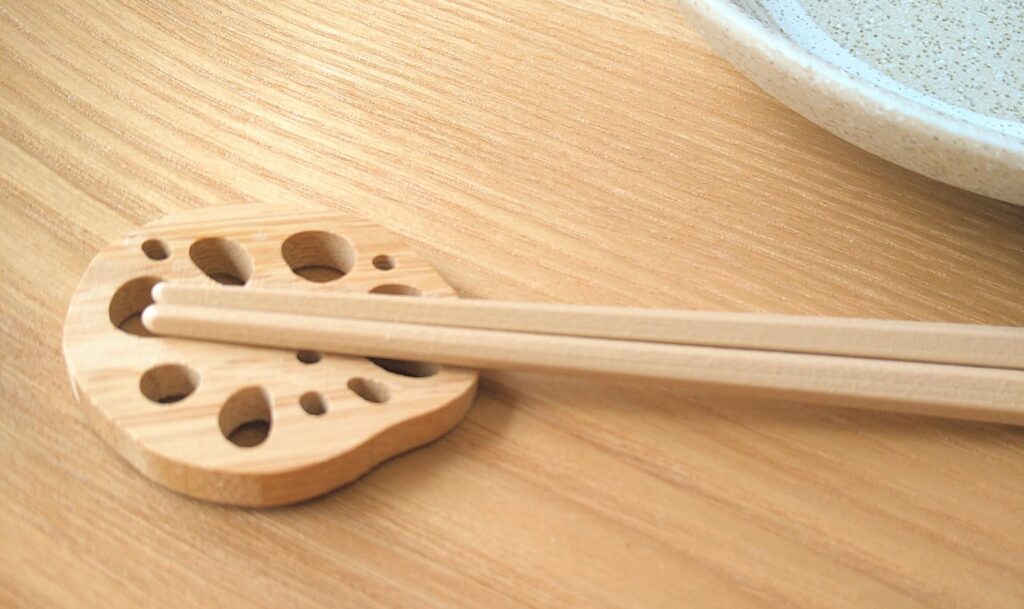
Wooden chopstick rests bring a warm,
natural feeling to the table.
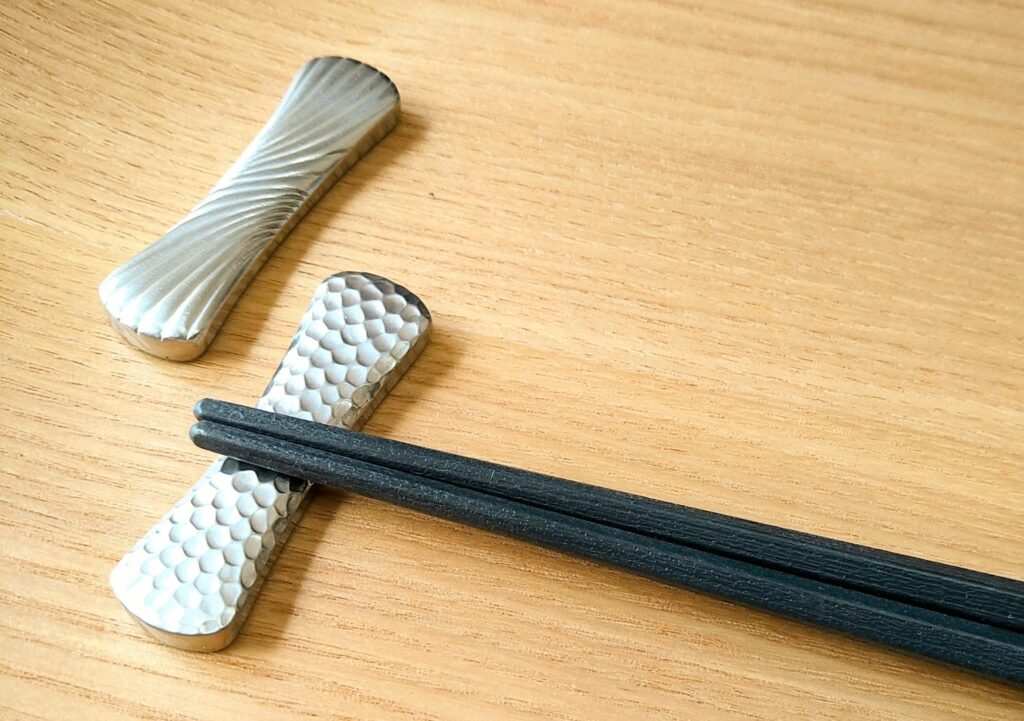
There are also stainless steel designs,
which give a clean and modern impression.
A Small Pleasure on the Table
I personally enjoy using chopstick rests.
Even with a simple meal,
having one on the table
makes the setting feel just a little more thoughtful.
When eating with family,
they can sometimes become a small conversation starter —
“Today’s one is different.”
Even when I’m eating alone,
a small chopstick rest can make the table
feel a little more enjoyable.
They can also reflect the seasons.
Glass pieces feel especially fitting in summer,
while warmer tones feel more at home in winter.
There are also playful shapes
that match the mood of the meal.
Closing
A chopstick rest is a very small object.
Not essential,
yet quietly pleasing.
Small objects like these
can gently change
how a meal feels.
That subtle presence
is what draws me to chopstick rests —
small pieces that quietly shape the table.
If you’re curious,
I’ve shared a few Japanese-made chopstick rests I like here.
Leave a Reply