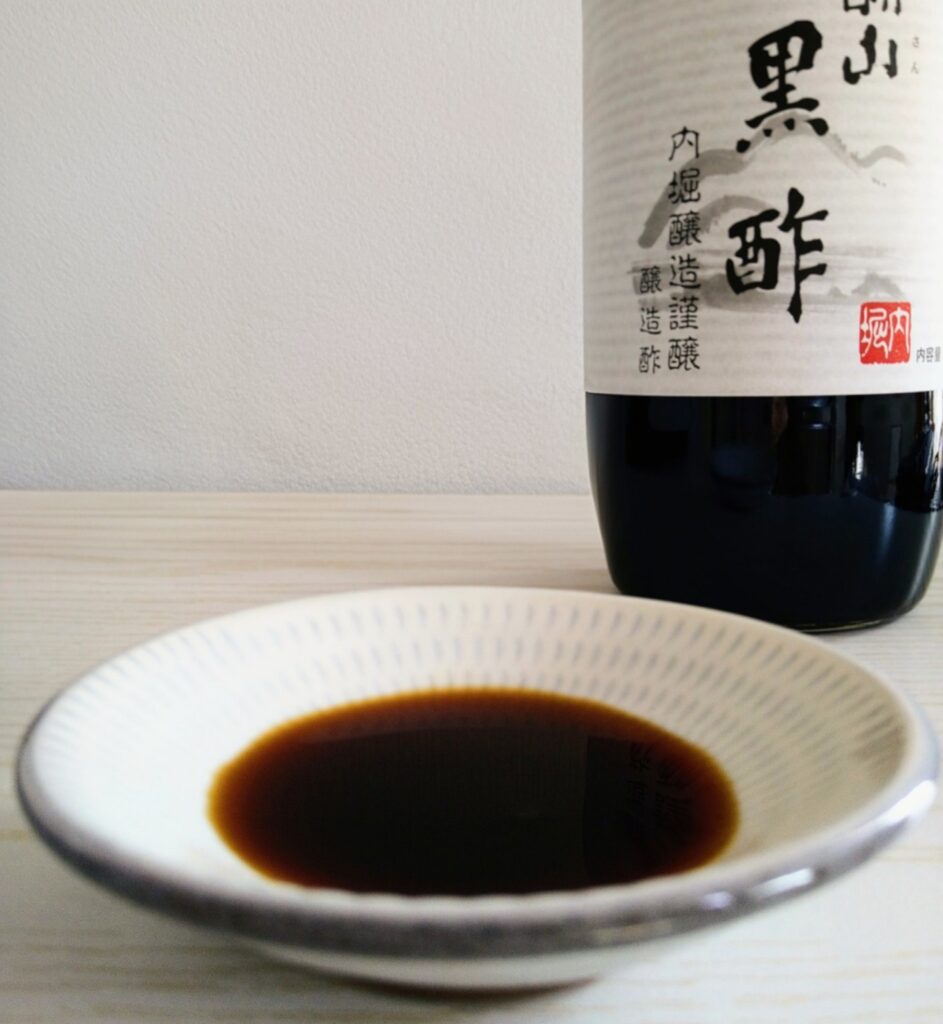
A Japanese black vinegar made by Uchibori Brewing, a vinegar maker based in Gifu Prefecture. Made from 100% domestically grown brown rice, slowly fermented and aged over time. No additives or colorings.
Flavor
It has a gentle acidity with a faint natural sweetness. It feels softer than many black vinegars I’ve used. When heated, the acidity softens and the richness deepens, adding a quiet layer of flavor.
How I Use It
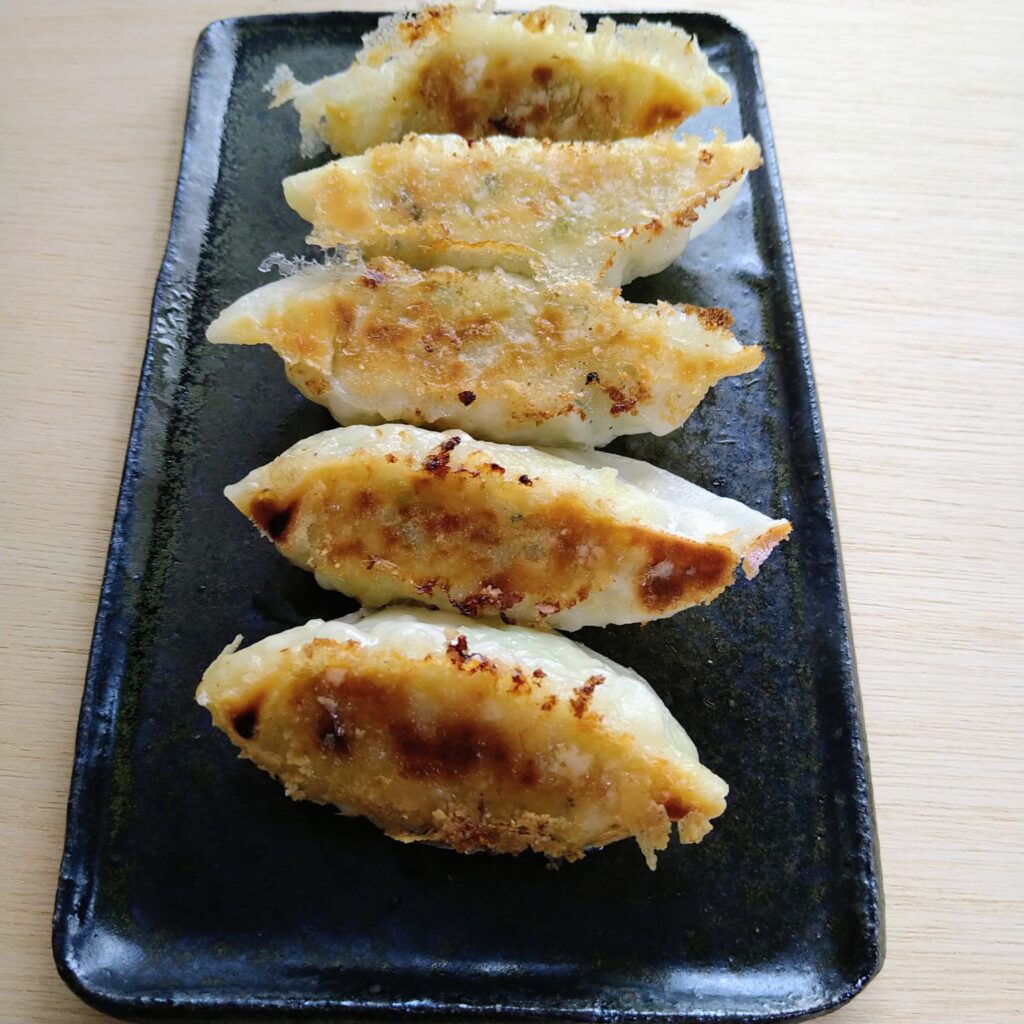
I mix this vinegar with soy sauce and add a little yuzu kosho, a Japanese condiment made from yuzu citrus and chili peppers. It makes a simple dipping sauce that pairs well with gyoza.
It also works well as a simple dressing — I sometimes just add a little olive oil to the same mixture.
Beyond that, it pairs naturally with pickles, simmered dishes, and tomato-based soups.
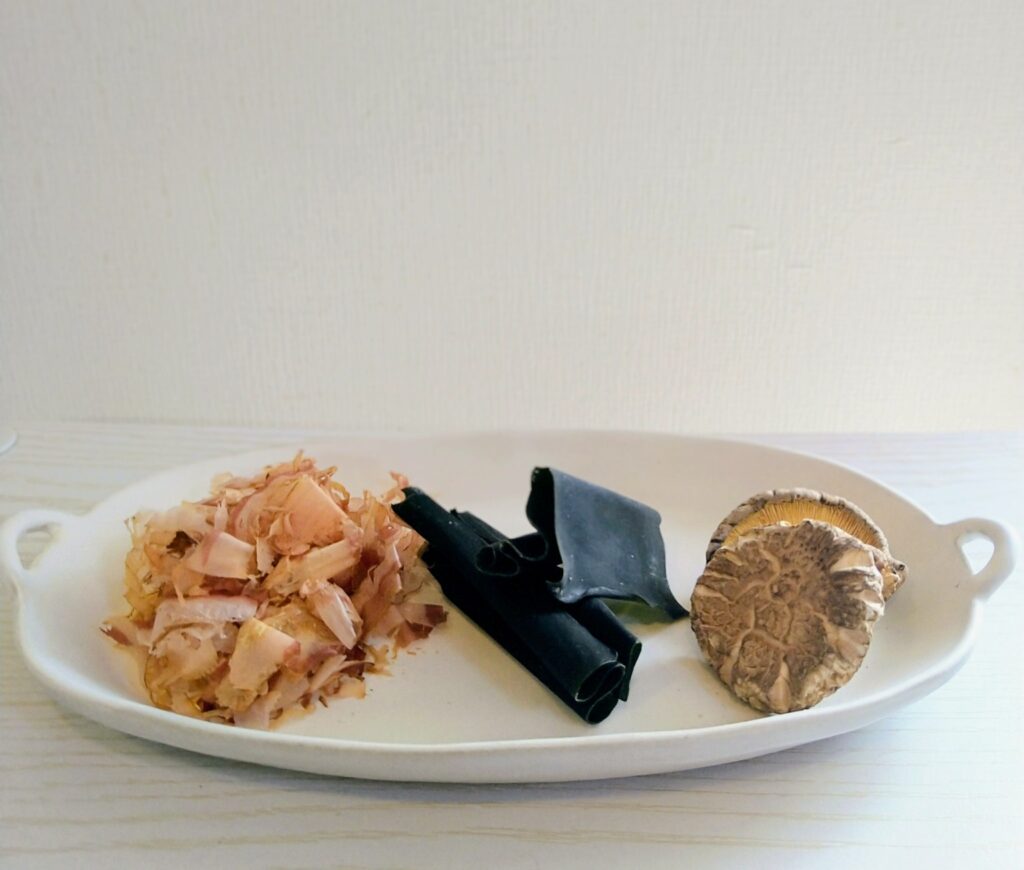
Dashi is the basic broth of Japanese cooking, made from ingredients such as bonito flakes, kombu, dried sardines, and dried shiitake mushrooms. It is used in everyday dishes like miso soup, tamagoyaki (rolled omelet), udon, and rice bowls. Sometimes, I pour a little into a cup, add a small pinch of salt, and taste it as it is.
About Umami
The true charm of dashi lies in its umami. There are three main types of umami:
Glutamic acid (found in kombu, tomatoes, onions, cheese, green tea, and more)
Inosinic acid (found in bonito flakes, dried sardines, and meats)
Guanylic acid (found in dried shiitake mushrooms and other dried fungi)
Each has its own character, but when combined, they create a deeper, more rounded flavor. With good dashi, strong seasoning becomes unnecessary. The dish simply feels complete.
When I skip dashi and make miso soup, it still tastes fine. But with dashi, it feels completely different. The depth — and even the aroma — are not the same.
How It Differs from Western Broth
Western broths add richness and strength to a dish. Dashi works differently. Rather than standing out, it supports from underneath, bringing balance and allowing the natural flavors to come through.
Basic Method
Dashi is simpler than it may seem.
Soak kombu in water for several hours, ideally up to a day. Heat it gently and remove it just before boiling, when small bubbles begin to appear. Add bonito flakes to boiling water, let them steep for a few minutes, and strain.
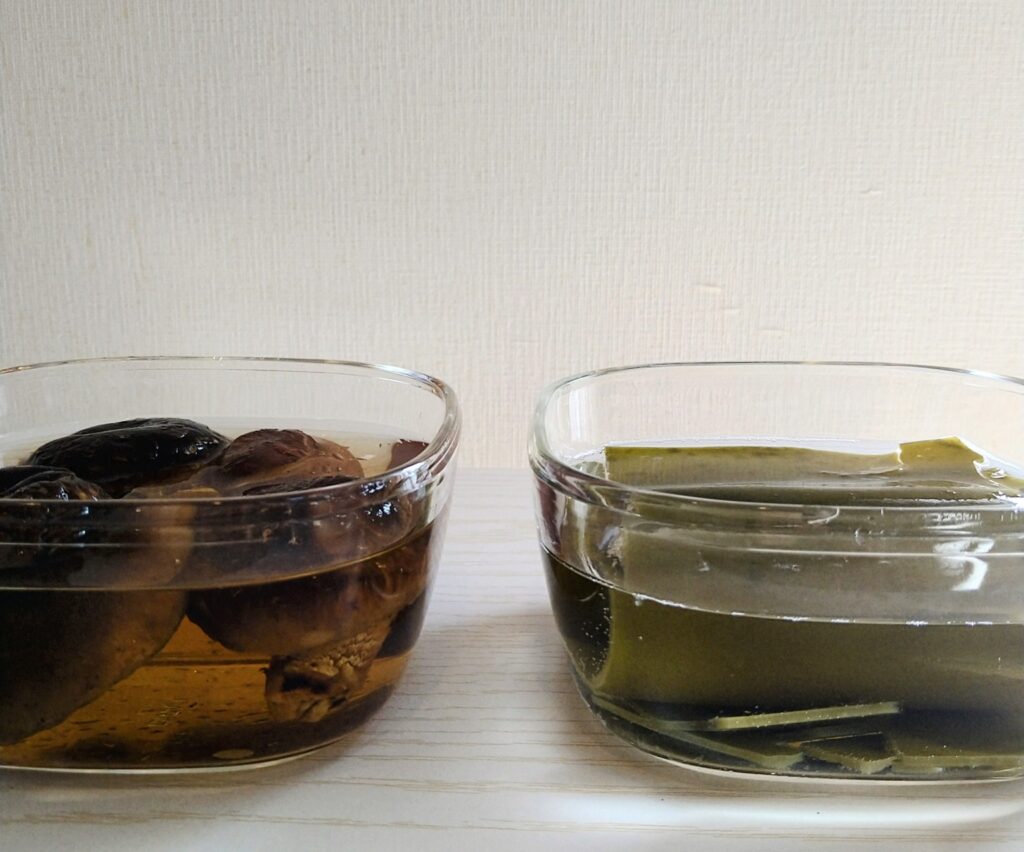
Dried shiitake can be soaked in water, then gently heated for a deeper broth.
An Easier Way
You can keep kombu or dried shiitake soaking in water in the refrigerator. This way, dashi is always ready to use. You can also freeze dashi in ice cube trays and use only what you need. Bonito-based dashi, however, loses its aroma over time, so it is best prepared fresh whenever possible.
An Even Simpler Way
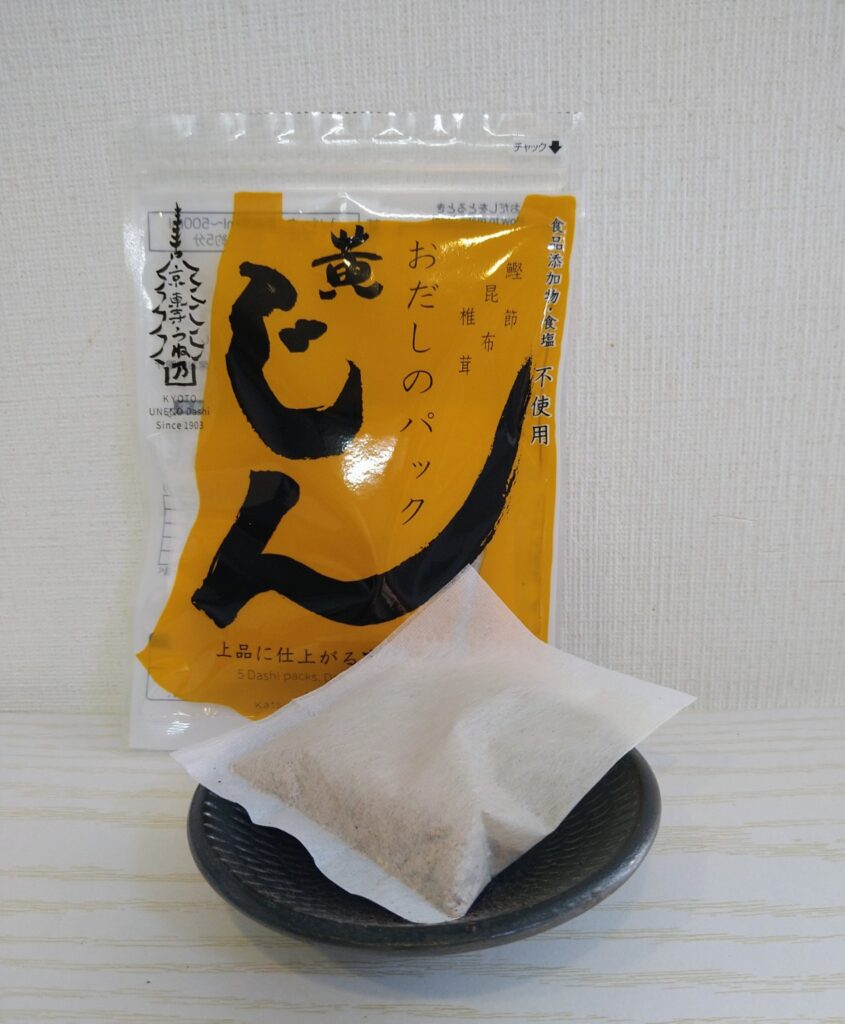
For everyday cooking, dashi packets are an easy option. They come in different types, including blends and plant-based versions.
Closing
If you are used to stronger flavors, dashi may feel subtle at first. But after tasting it a few times, you begin to notice its quiet depth.
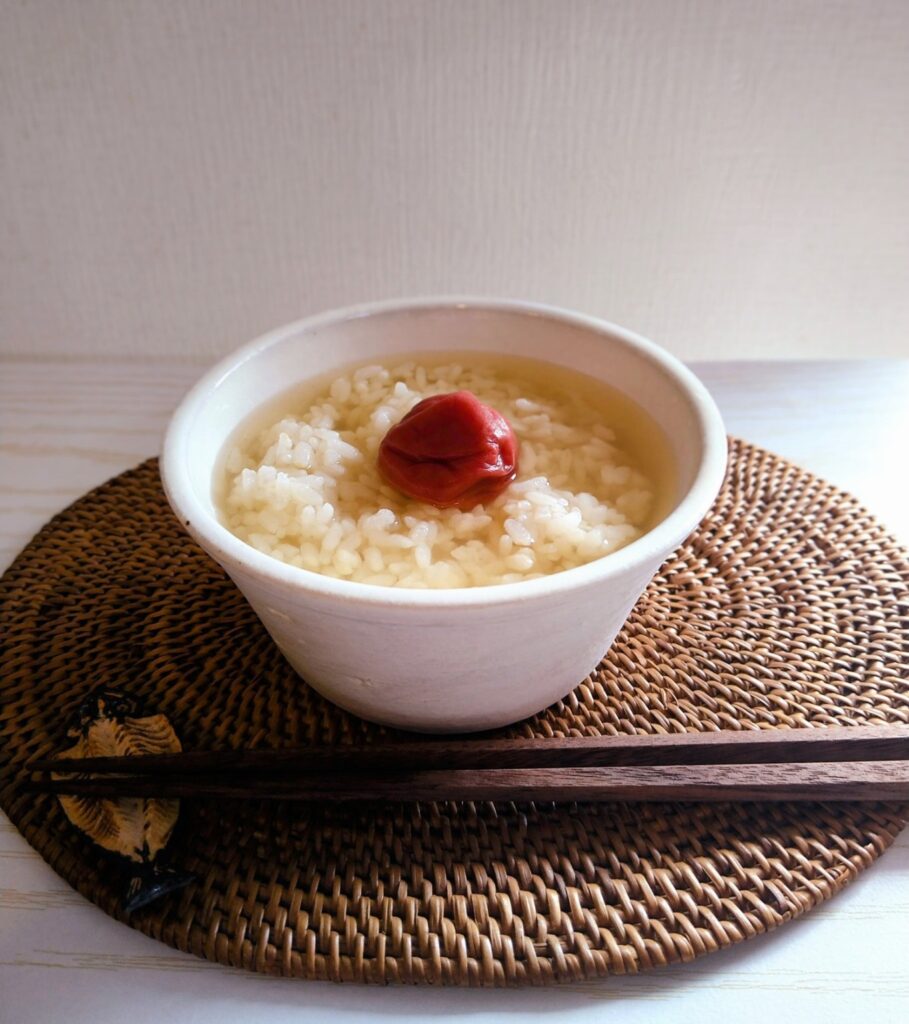
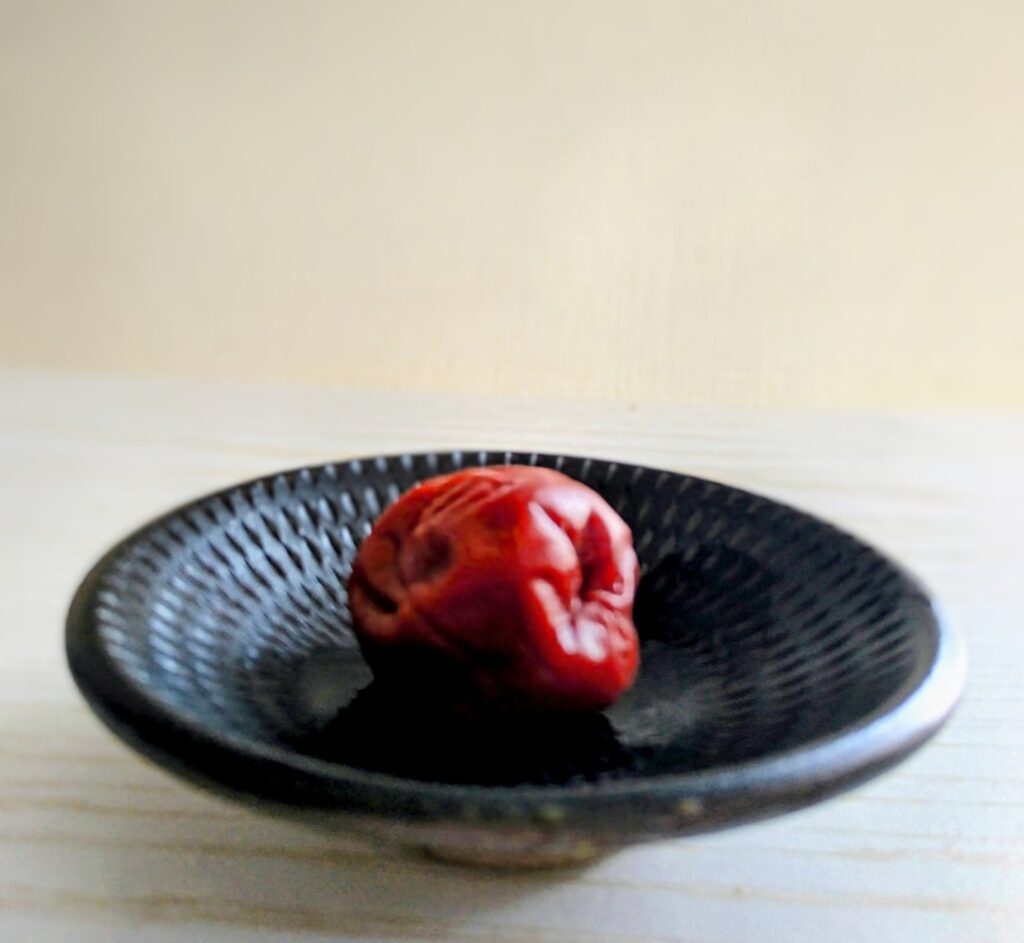
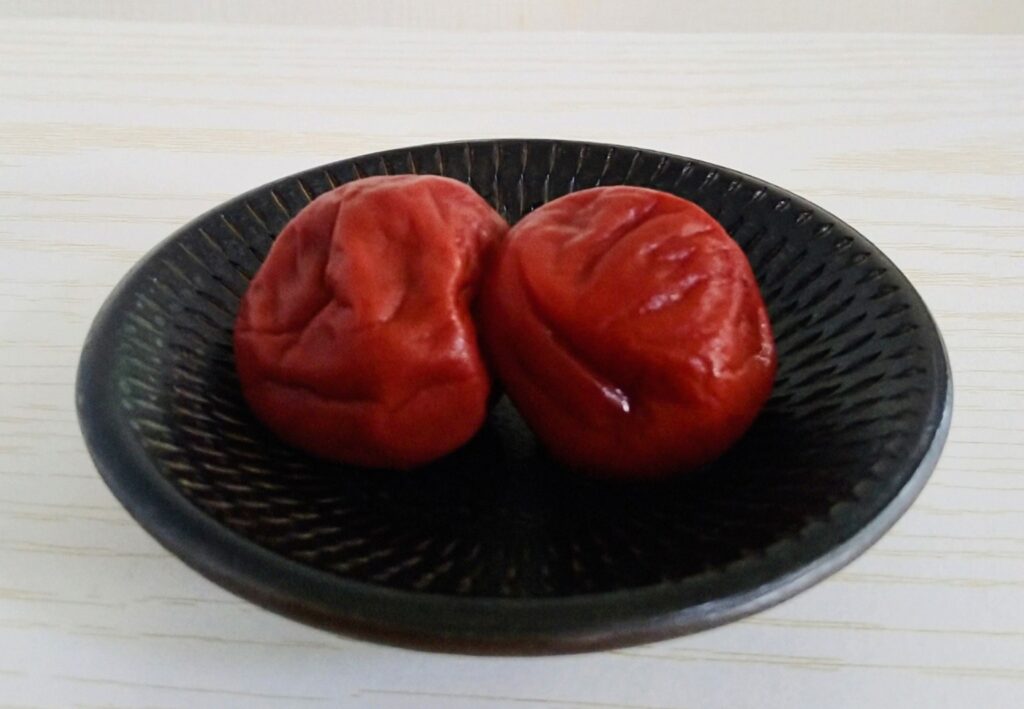
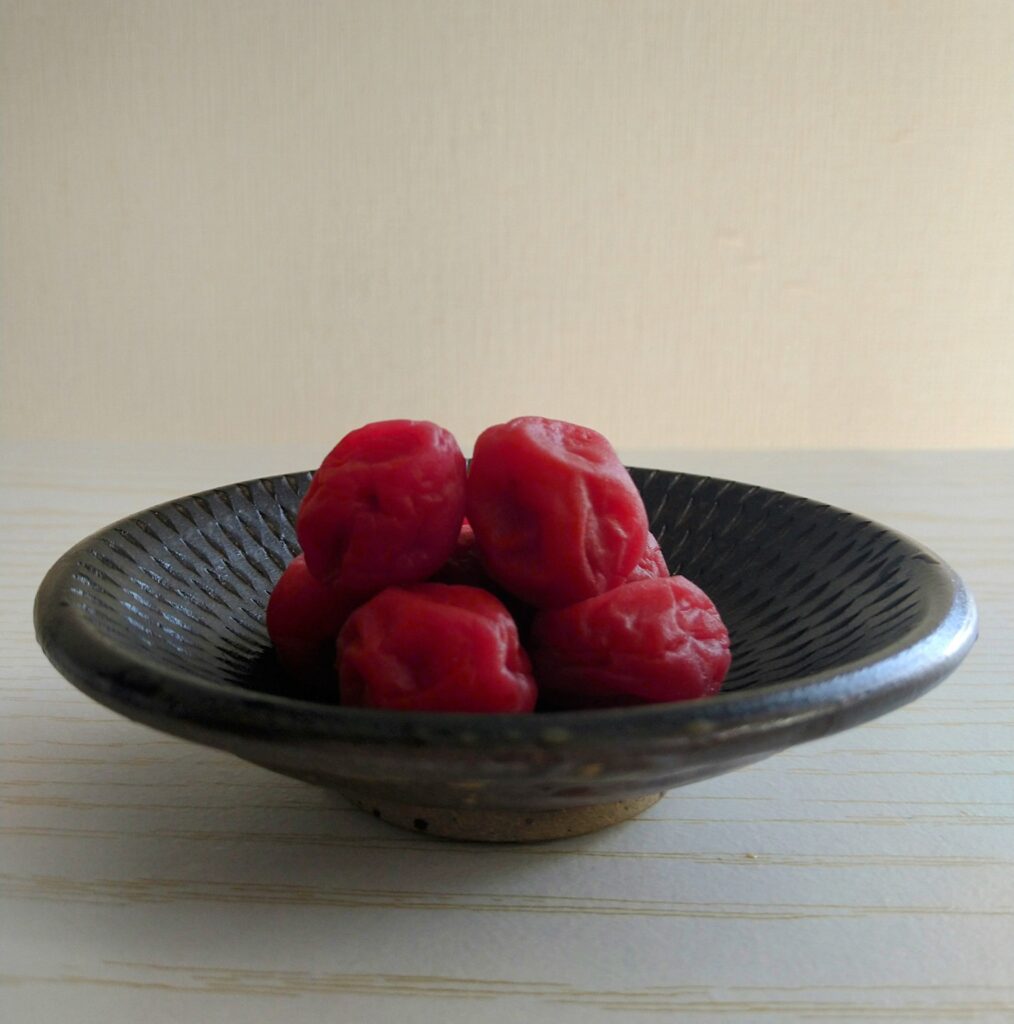
Salted and sun-dried ume plums, a traditional part of everyday Japanese meals.
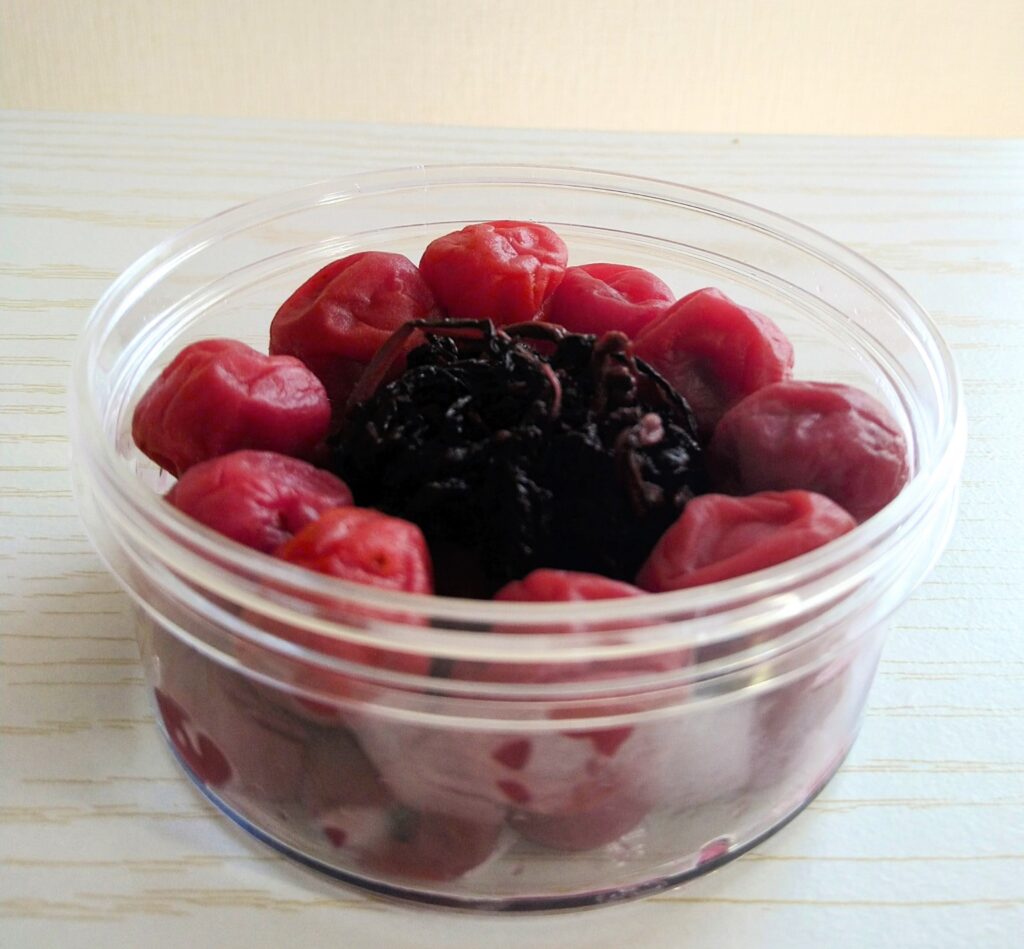
There is always a small container of umeboshi in my refrigerator. I keep them mainly for bento lunches — umeboshi are known for their natural preservative properties, which helps keep the rice fresh. Not a luxury item. Just something that has always been there.
What They Are Like
Umeboshi are made from ume, salted and dried slowly in the sun. Some are gently sweet, others intensely sour. The salt level and drying process can change the flavor quite a bit. Over time, you naturally find the kind that suits you.
Varieties
Large Nanko ume are soft, with thick, tender flesh. Some are made with honey, milder and easier to eat.
Smaller ume tend to be sharper, with textures ranging from firm and crisp to soft. Their size makes them easy to place into bento lunches.
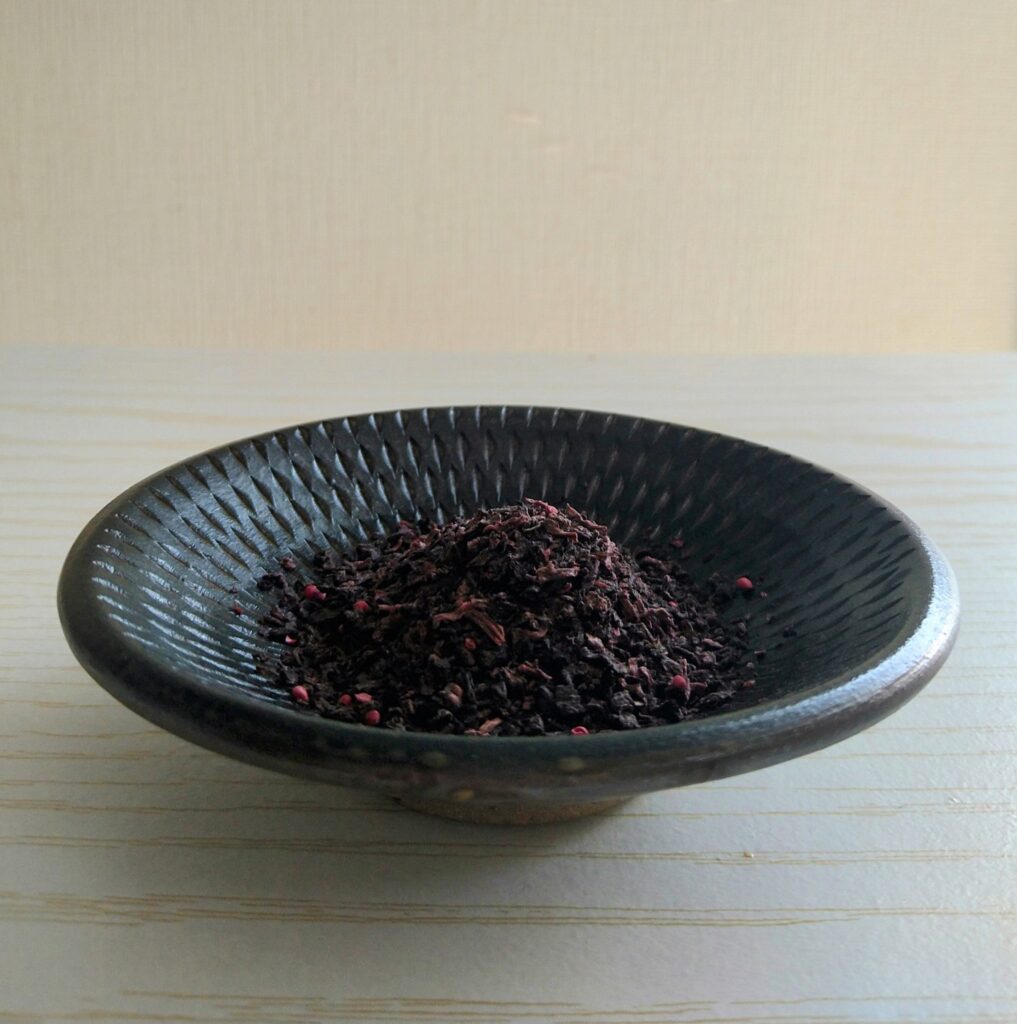
Red shiso flakes are even simpler — just sprinkle them over rice when there isn’t much time.
How to Choose
Many commercially available umeboshi today contain additives and preservatives. It is worth checking the ingredient list before buying. A simple umeboshi should contain only ume, salt, and possibly red shiso. If you are new to umeboshi, a honey variety is a gentle starting point — the sweetness softens the sourness and makes it easier to eat.
How I Use Them
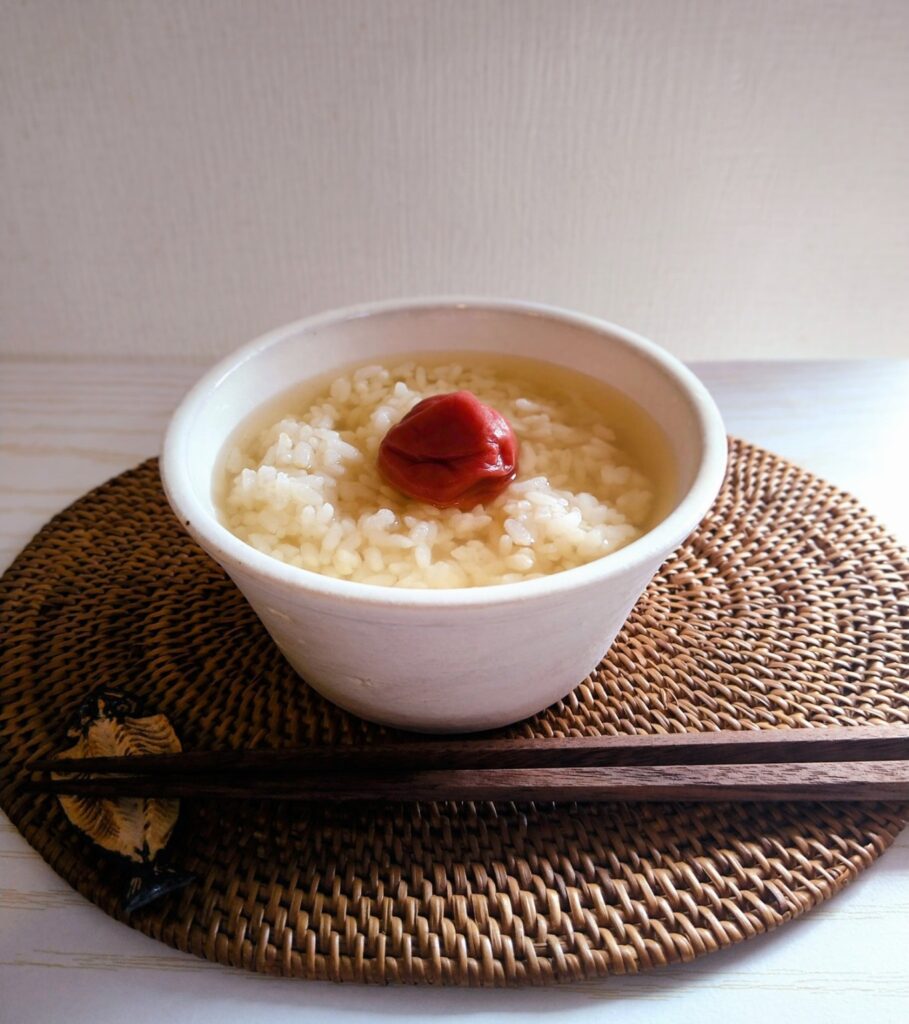
Most often, I place one inside onigiri or serve it with warm rice. It also works well in ochazuke, or finely chopped with chicken or fish. Sometimes I roll it inside before cooking or mix it into dressings for a bright, sharp note.
On hot summer days, or when I feel slightly tired, I often reach for one. The sourness comes from citric acid, which helps restore energy. Combined with the salt, it refreshes the mouth and gives the body a quiet boost.
Closing
Sometimes the main feature, sometimes just a small accent. Not flashy. Just always there.
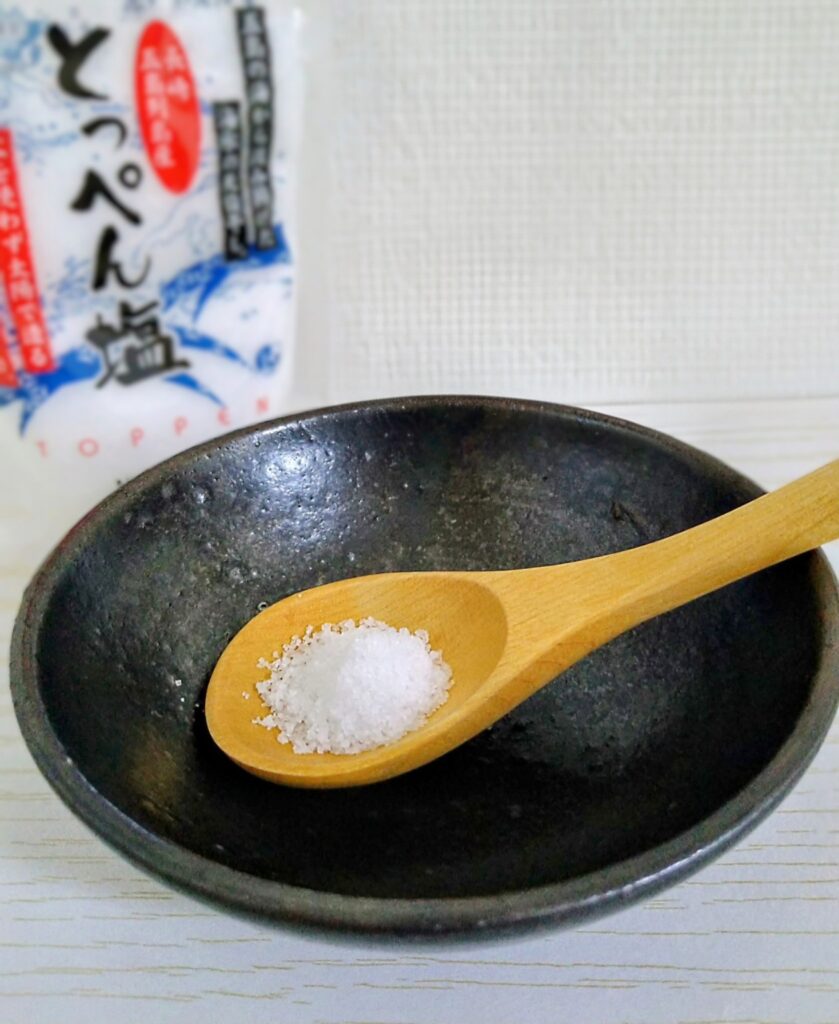
A traditional Japanese sea salt made on the Goto Islands in Nagasaki, known for their clear, clean waters.
“Toppen” comes from a local dialect meaning “the very top” — a quiet wish to create something truly good.
How It’s Made
Made slowly using only the power of sunlight and sea breeze — no kilns, no firing.
Most sea salts use some form of heat in the final stage; this one doesn’t. It follows the natural rhythms of the environment, and the process takes time.
Flavor
The saltiness is mild with a subtle sweetness. It doesn’t taste sharp even eaten on its own.
How I Use It
It’s the salt I reach for most often at home — versatile enough for stir-fried vegetables, grilled fish, fried eggs, and other simple dishes where the flavor of the ingredients matters. Because the saltiness is mild, it works well both as a seasoning during cooking and as a finishing salt at the table.
It’s made in small batches, so it can be hard to find — but worth keeping on hand when you do.
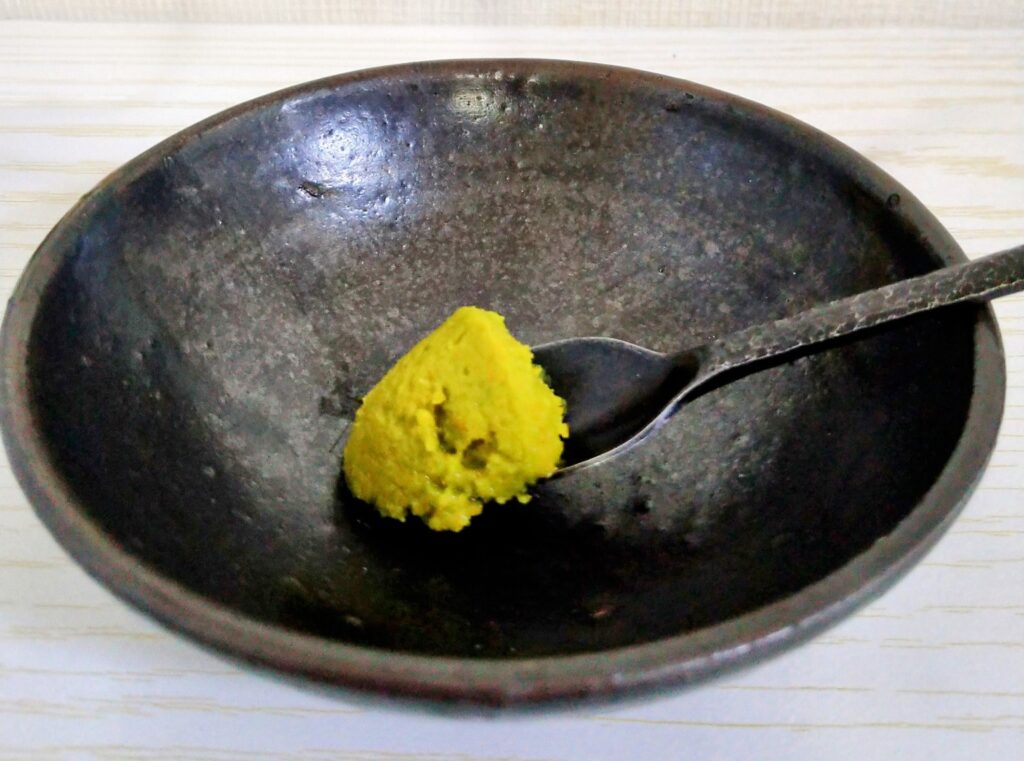
Yuzu kosho is a Japanese condiment made from yuzu peel, chili peppers, and salt — bright, aromatic, and a little spicy. Fumiko Fresh Yuzu Kosho is made in Munakata, Fukuoka, with no artificial additives or preservatives.
How It’s Made
The yuzu, chili peppers, and salt are all sourced from Kyushu, Japan. Each yuzu peel is checked by hand, and only the outer peel — where the fragrance is most concentrated — is used. After preparation, it is quickly frozen to preserve its color and aroma. Even when frozen, it remains soft enough to scoop, so you can use only what you need.
Aroma
What sets it apart from regular refrigerated yuzu kosho is the aroma. The fresh, clear fragrance of yuzu opens up immediately.
Flavor
The saltiness is mild, with no bitterness or off-notes, and the finish is clean. A gentle heat from the chili adds a bright accent.
How I Use It
My favorite way is to mix it with soy sauce and use it in place of wasabi with sashimi. The yuzu fragrance and clean spice work beautifully with fresh fish.
It also works well as a dipping sauce for steamed pork, chicken, or white fish, or mixed into a sauce or dressing with condiments you already have on hand.
For example: Soy sauce + black vinegar + yuzu kosho → dipping sauce for hot pot or gyoza. Soy sauce + black vinegar + olive oil + yuzu kosho → dressing. Miso + mayonnaise + yuzu kosho → dip.
When something feels a little missing, a small amount helps bring it all together.