Category: Japanese Kitchen Tools

Simple and well-made kitchen tools from everyday life in Japan.

  • HARIO Glass Food Storage Containers in a Japanese Kitchen

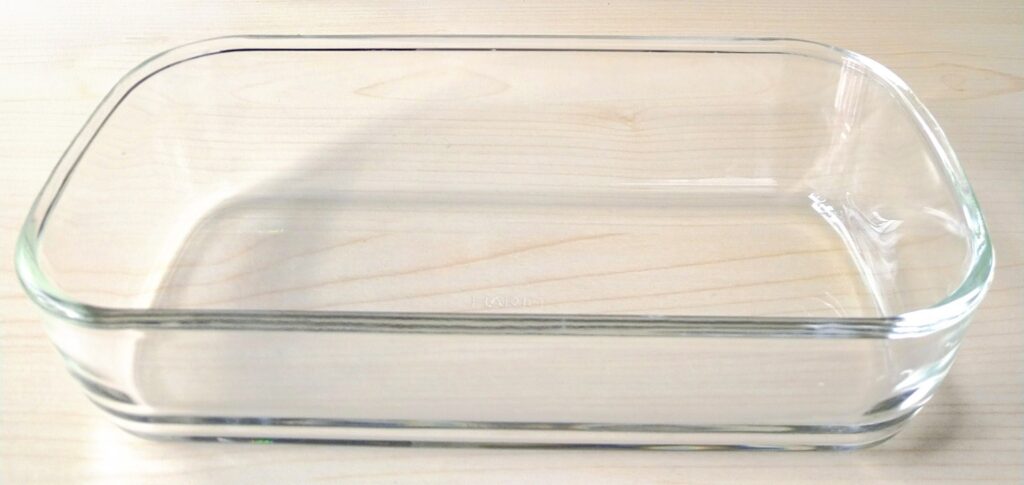
    HARIO Glass Food Storage Container
    Heat-resistant glass made in Japan.
    Simple, durable, and easy to use in everyday food storage.
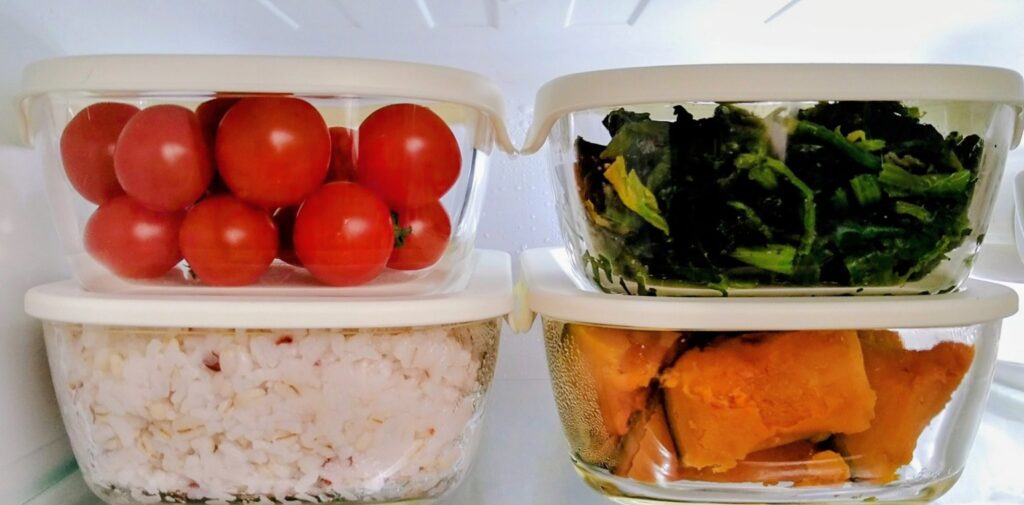
    In my refrigerator, I like being able to see what’s inside at a glance.

    Why I Chose Glass

    I didn’t replace my plastic containers all at once.

    Nothing was broken.
    Nothing felt urgent.

    But over time, I started thinking about the materials I use every day.

    Because I use them for food,
    I wanted something I could trust a little more.

    Glass felt like a more intentional choice.

    This container from HARIO
    was one of the first I started using.

    HARIO produces its own heat-resistant glass in Japan,
    using natural minerals and avoiding heavy metals.

    That level of attention to safety mattered to me.

    At the same time, it’s easy to find and reasonably priced.


    What Makes It Good

    • You can see what’s inside at a glance,
      which helps reduce small food waste
    • Works in the microwave, freezer, and dishwasher
    • Can be placed directly on the table
      without feeling out of place
    Things to Keep in Mind

    • The lid isn’t fully airtight
    • The lid should not go in the microwave
    • Leave space when freezing liquids

    Small things, but worth knowing.


    Closing

    It’s not a dramatic change.

    Just glass instead of plastic.

    But when something touches your food every day,
    small decisions begin to matter.

    This is one of mine.
  • Japanese Tawashi: What It Is and Why People Still Use It

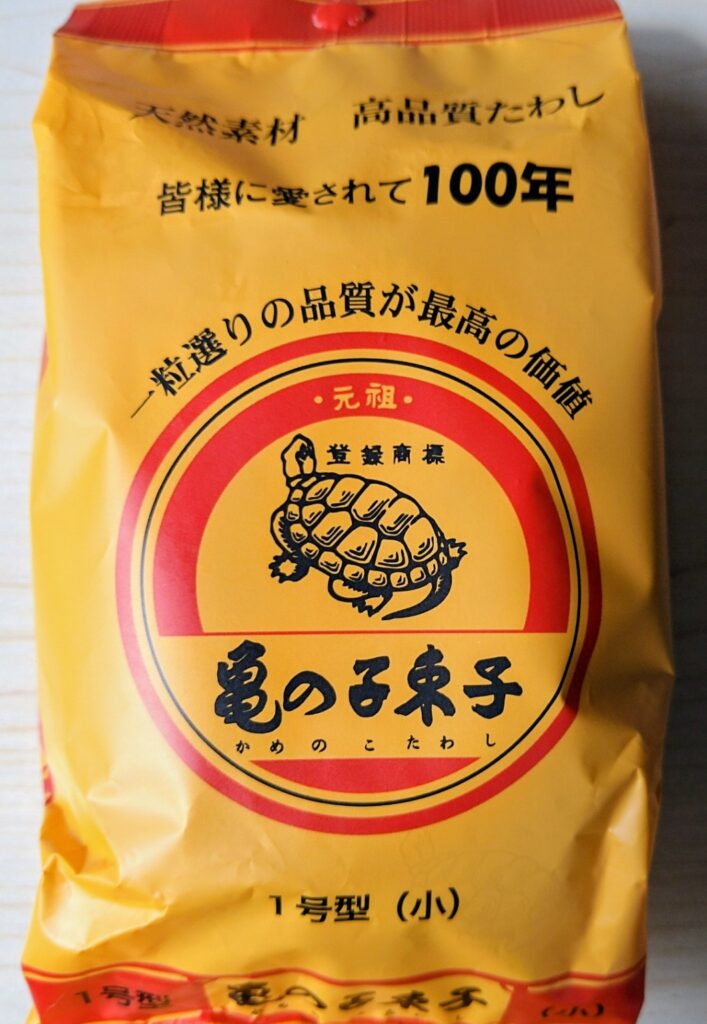
    Kamenoko tawashi literally means “baby turtle tawashi.”
    The oval shape was said to resemble a small turtle.

    What is a tawashi?

    A tawashi is a traditional Japanese scrubbing brush
    used for cleaning cookware, vegetables, and kitchen tools.

    The oval-shaped Kamenoko tawashi
    was invented in 1907 by Nishio Shoten in Tokyo,
    and is still widely used today.


    How it differs from Western scrubbers

    In many Western kitchens, cleaning is usually done with:

    • sponges
    • plastic scrub brushes
    • nylon scouring pads

    A tawashi is different.

    Many are made from natural plant fibers such as palm or shuro.

    The firm fibers help remove residue,
    and the brush dries quickly after use.


    Types of tawashi

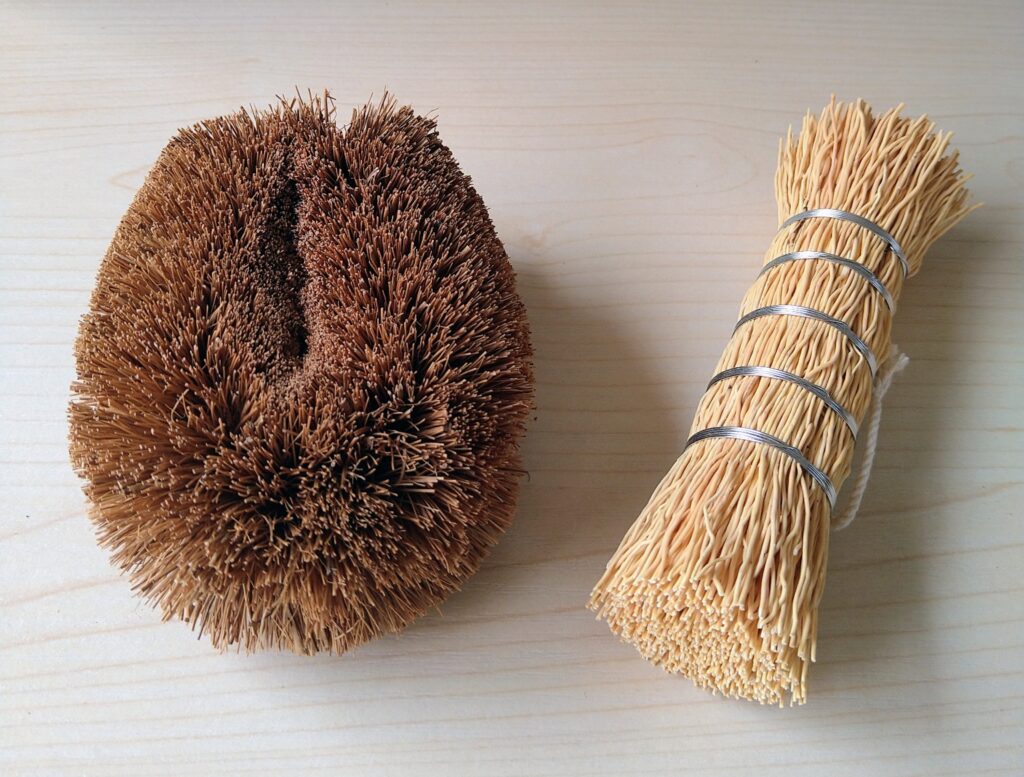
    Kamenoko Tawashi and Karukaya Tawashi

    Different materials give tawashi different qualities.

    • Palm (coconut fiber)
      Firm and commonly used for scrubbing
    • Shuro (palm bark fiber)
      Strong yet flexible
    • Sisal
      Softer fibers, sometimes used as body brushes
    • Karukaya
      A slim brush often used for cast iron cookware

    How tawashi are used in the kitchen

    Pots and pans are often washed
    with just water and a tawashi.

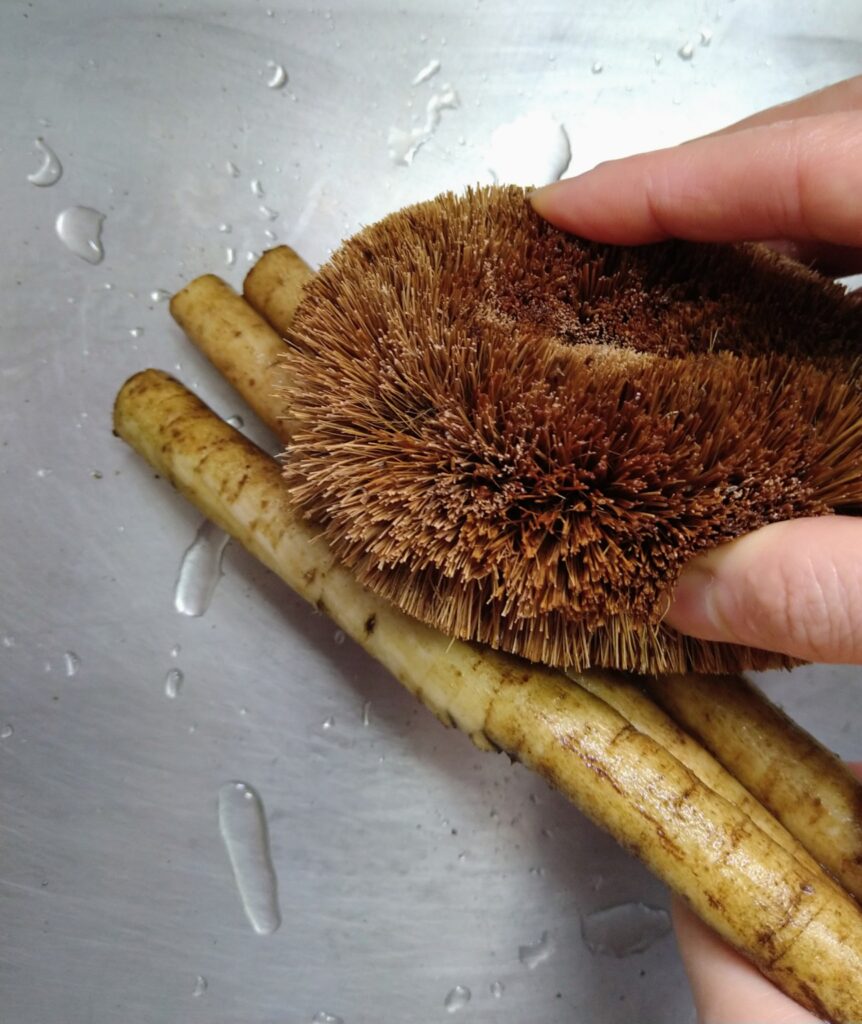
    Tawashi are used not only for pots and pans,
    but also for washing root vegetables
    such as burdock and potatoes.

    A tawashi is perfect for cleaning
    soil-covered vegetables like burdock root.

    I keep a standard Kamenoko tawashi
    and a karukaya brush for my cast iron pan.

    I chose these because they are simple,
    durable, and easy to use every day.

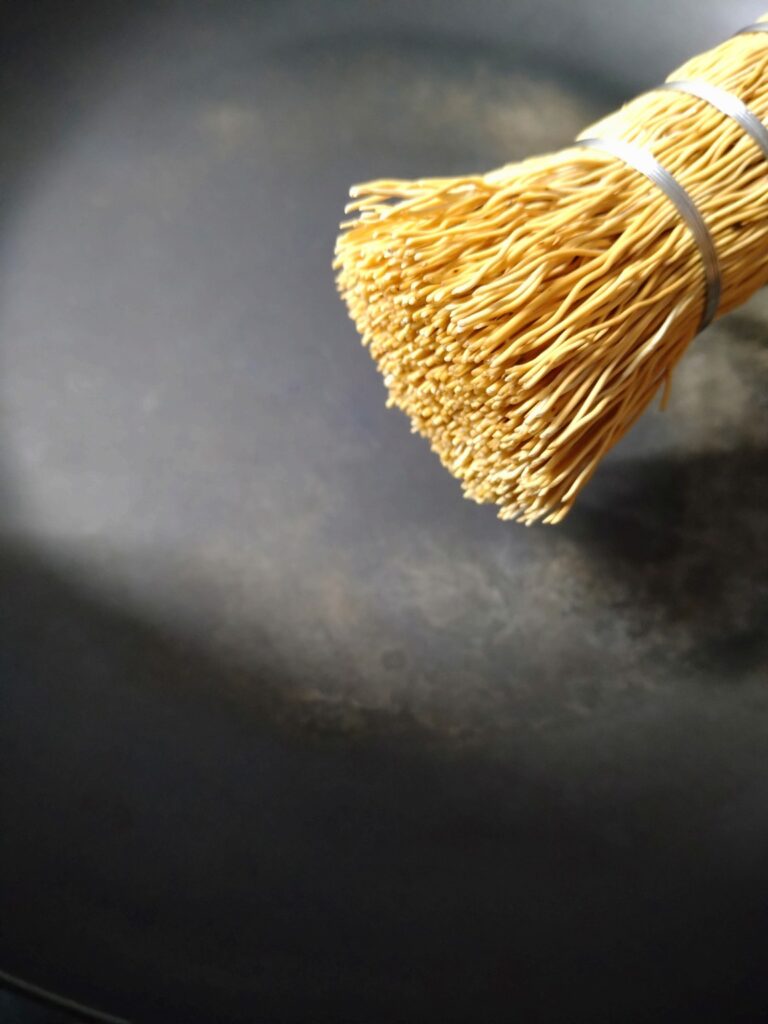
    This is the karukaya brush I use for my cast iron pan.
    See the karukaya tawashi I use

    This is the palm tawashi I use most often.
    See the palm tawashi I use

    A donut-shaped version is also available.
    See a donut-shaped tawashi


    Why people still use tawashi

    Even after kitchen use,
    a tawashi is rarely thrown away.

    It can be reused for cleaning sinks, drains,
    stove grates, shoes,
    or even outdoor surfaces.

    Because it is durable and versatile,
    it remains a practical tool
    in many Japanese homes.


    Closing

    A simple tool
    that continues to be used in everyday life.

    Over time, it has become a small, familiar tool in my kitchen.

  • How to Care for a Cast Iron Pan(A Simple Everyday Routine)

    Cast iron pans are often thought to be difficult to maintain.
    In reality, their care is quite simple once you understand a few basic routines.


    Point 1: Transfer the food once it’s done

    Once the food is ready,
    I usually transfer it to a plate or container.

    Leaving food in the pan for too long
    can make it more prone to rust,
    especially when the dish contains acid or salt.


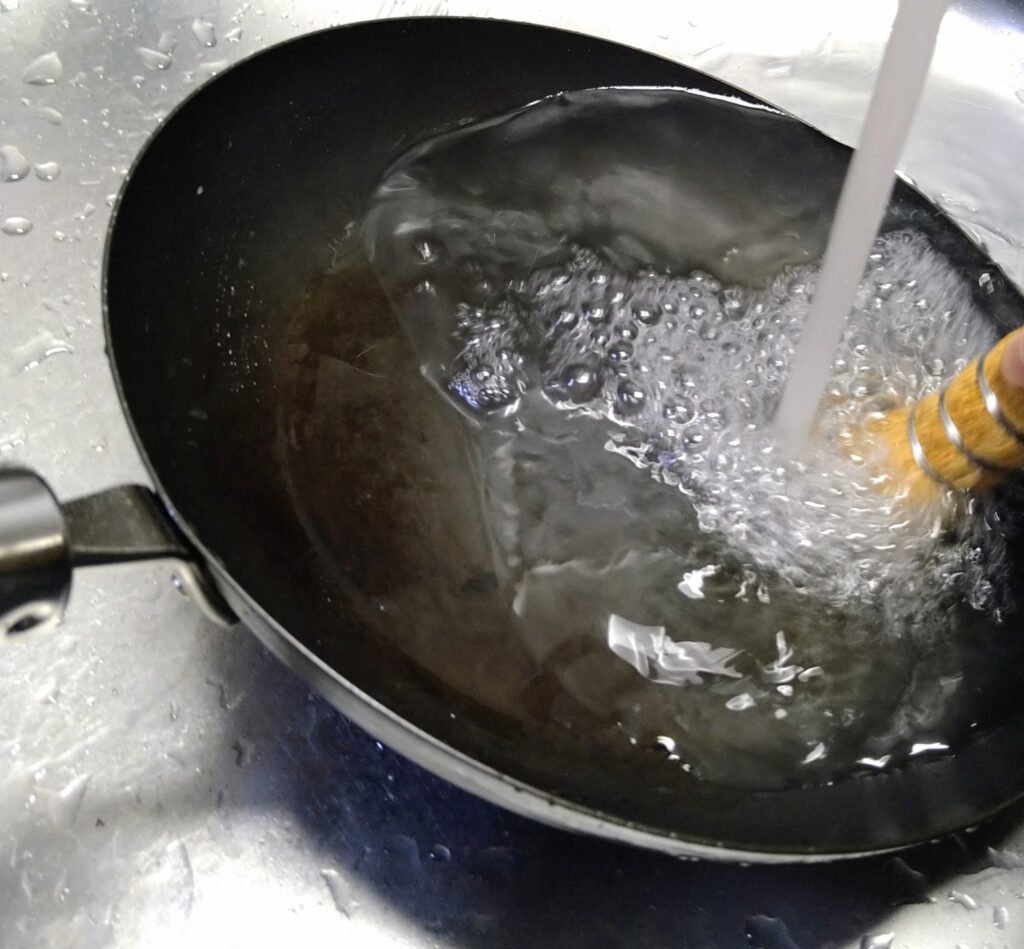
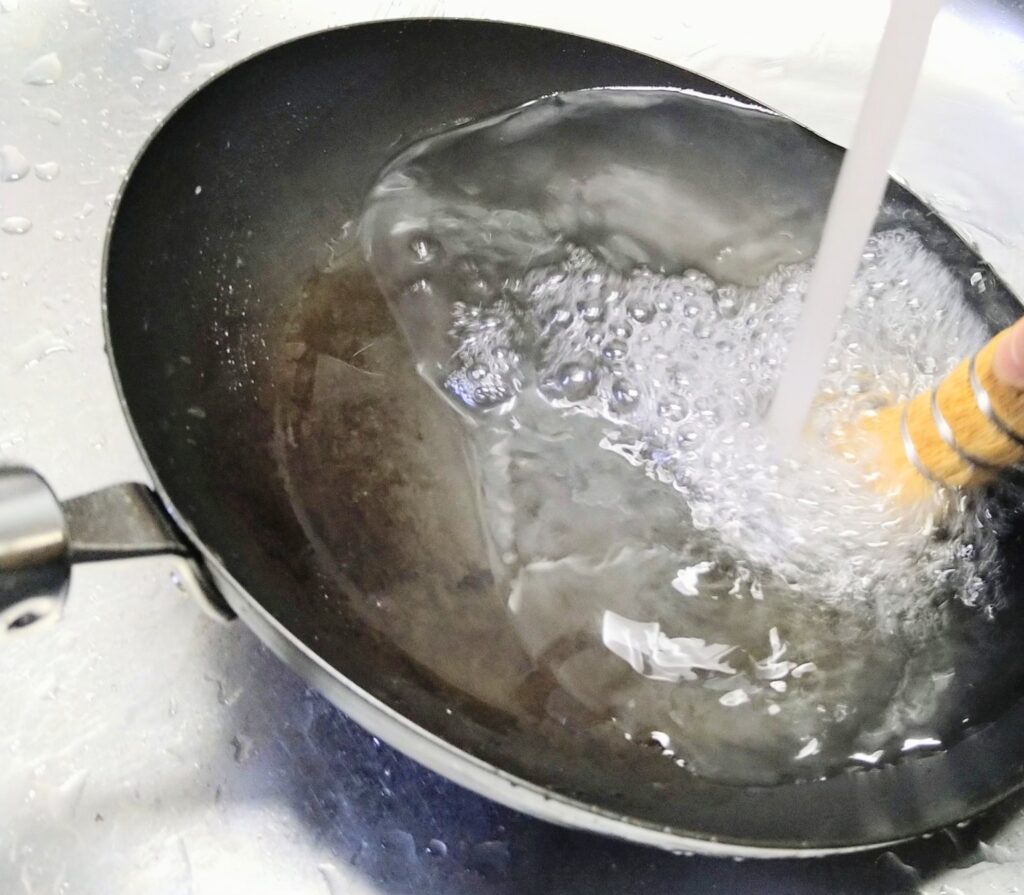
    Point 2: Wash the pan with water and a brush

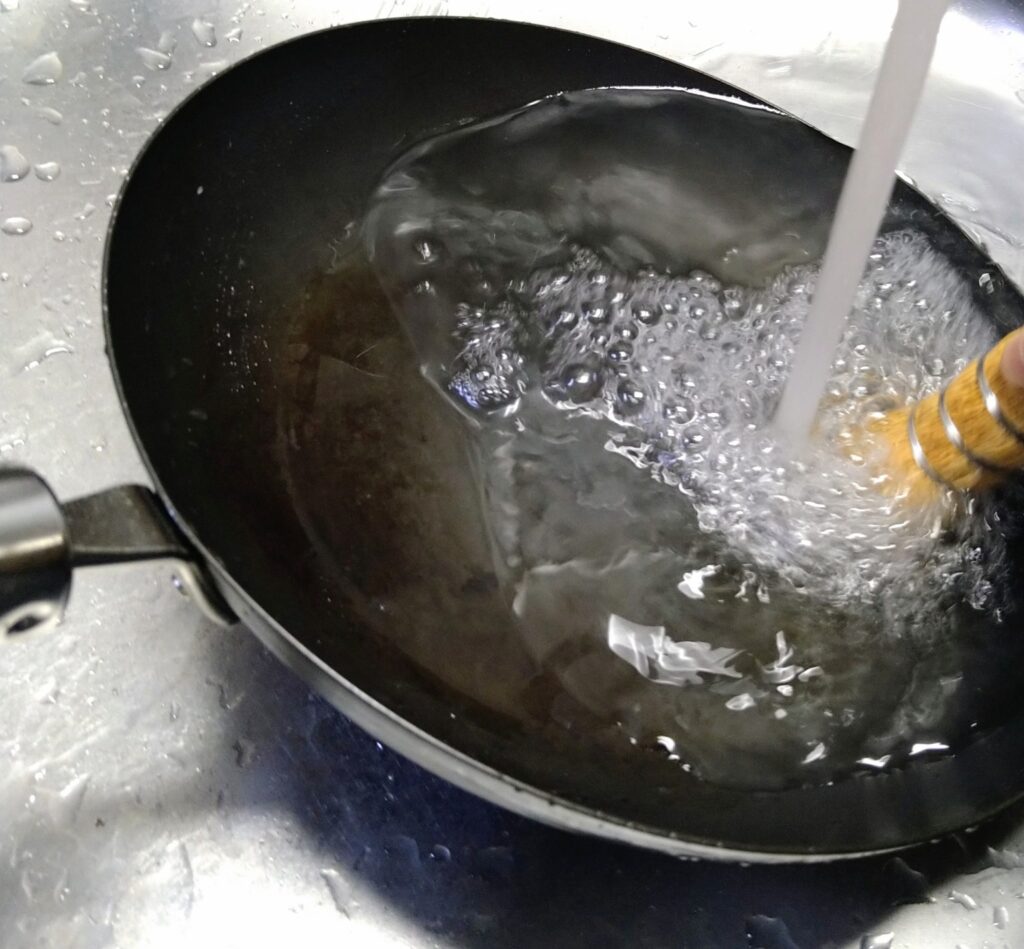
    Washing the pan with water and a natural fiber brush.

    Cast iron pans are generally washed without detergent.

    This helps the surface gradually build
    its natural oil layer over time.

    Instead of a sponge,
    a scrubbing brush or a traditional tawashi works better for removing residue.

    I use a natural fiber brush called a
    Karkaya brush.

    If food is stuck to the pan,
    add some water and bring it to a boil.
    Let it sit for a moment,
    and the residue will loosen.


    Point 3: Dry the pan thoroughly

    After washing,
    wipe away the moisture with a paper towel
    or place the pan over heat
    to evaporate any remaining water.


    Point 4: Apply oil when necessary

    Because the pan is washed without detergent,
    oil gradually settles into the surface over time.

    For this reason,
    there is no need to apply oil after every use.

    However, if the pan will not be used for a long period,
    apply a thin layer of oil before storing
    to help prevent rust.


    Point 5: Burn off stubborn residue

    If stubborn residue remains
    even after scrubbing with a natural brush,
    place the pan on the stove and heat it
    for about 10 minutes.

    Use moderate heat
    so the pan does not smoke excessively.

    This burns off the stuck residue.

    After letting the pan cool slightly,
    scrub it with a copper or stainless steel scrubber.

    Since the protective layer may have been removed,
    dry the pan thoroughly
    and apply a thin coat of oil afterward.


    Closing

    Over time,
    these small routines simply become part of cooking.

    The pan slowly builds its surface,
    and before long,
    it becomes a tool you reach for without thinking.

    Quiet, simple cookware
    meant to stay in the kitchen for years.

    If you’re curious about the pan I use,
    you can read my full review here.
    Read the full review

    If you’re interested,
    you can see the exact pan I use here.
    See the exact pan

  • Why Food Sticks to Cast Iron — And How to Prevent It

    When Food Sticks

    One of the most common concerns with cast iron
    is sticking — especially with eggs.

    In most cases,
    it isn’t the pan.
    It’s the heat.

    Cast iron needs to be fully preheated
    before adding oil.

    I heat the pan until it is properly hot —
    sometimes just before it begins to smoke —
    then lower the heat slightly
    and add the oil.

    Once the oil is heated,
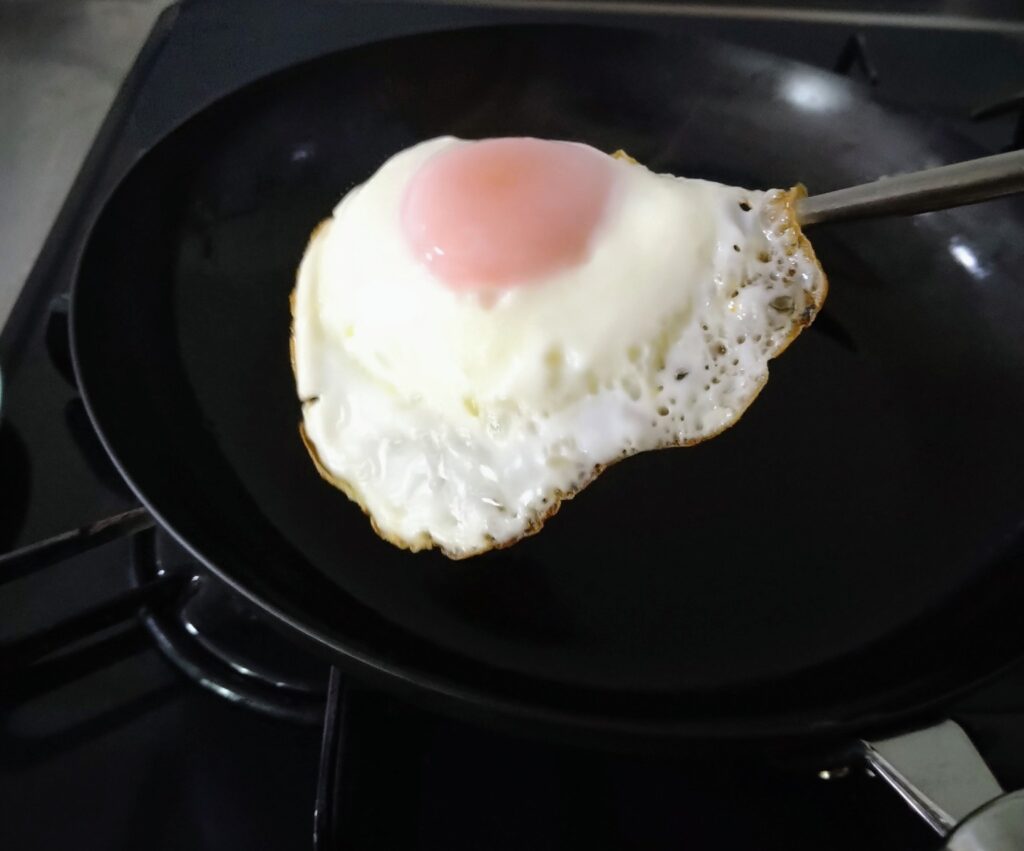
    I add the egg.

    When the pan is ready,
    the egg releases easily.


    No Sticking — Just Proper Heat and Enough Oil

    Because protein tends to stick more easily,
    I sometimes add a little more oil —
    especially when the pan is still relatively new.

    If something does stick,
    add a small splash of water,
    cover with a lid,
    and let the steam help release it.

    If needed,
    turn off the heat and wait.


    Before First Use: Initial Seasoning

    For a new pan,
    initial seasoning is important.

    Most manufacturers recommend filling the pan
    with oil to about one-third of its depth.

    I usually use a little less —
    about one-quarter —
    as long as the surface is fully coated.

    Heat the oil for about five minutes,
    then let it cool slightly
    before removing the excess.

    It doesn’t have to be perfect.
    What matters is building layers over time.


    Closing

    Cast iron isn’t difficult.
    It simply requires proper heat and a bit of patience.

    Once you understand that,
    it becomes easy to use.

    If you’re curious about the pan I use,
    you can read my full review here.
    Read the full review

    If you’re interested,
    you can see the exact pan I use here.
    See the exact pan

  • Karukaya: A Simple Brush for Cast Iron

    A traditional brush used in everyday Japanese kitchens.

    This small, quiet tool
    has long been used in Japanese kitchens.

    Made from natural plant fibers,
    it’s especially suited for cleaning cast iron.

    Nothing fancy.
    Just something that works.


    What is a Karukaya brush?

    A karukaya brush is made from the roots of a grass plant
    and shaped into a slim, stick-like scrubber.

    Because the fibers don’t absorb oil,
    it removes residue without stripping the seasoning too aggressively.

    It also dries quickly after use,
    making it clean and easy to handle.


    Made for everyday use

    As the brush wears down,
    the binding can be removed
    so it can be used for longer.

    Two sizes are available,
    both comfortable to hold
    even for smaller hands.

    The fibers are firm,
    so gentle pressure is enough.

    Often paired with cast iron pans
    such as River Light.


    Key details

    Made in Japan
    100% natural plant fibers
    Dries quickly after use
    Slim shape keeps hands clean


    CTA

    If you care for cast iron regularly,
    a simple brush like this makes a difference.

    This is the one I use in my own kitchen.

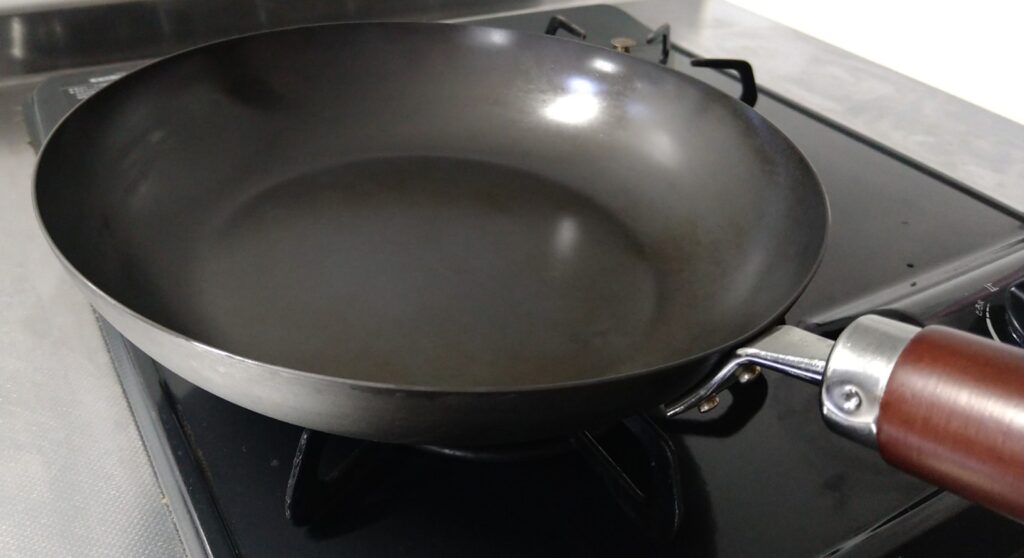
  • River Light KIWAME Iron frying pan review

    Made for everyday cooking in real kitchens.

    A Japanese iron frying pan
    designed to be durable, practical, and easy to maintain.


    Why I Chose It

    For a long time, I used non-stick pans.
    They were easy and required little attention.

    But over time,
    I began thinking more about what I use every day —
    especially something that comes into direct contact with food.

    I wanted something more reliable
    and made to last.

    That’s why I chose River Light’s KIWAME series.


    What Makes It Different

    The pan is treated with a special heat process
    that makes it resistant to rust,
    without using any anti-rust coatings.

    Unlike many traditional iron pans,
    there’s no need for initial seasoning.

    With regular use,
    oil gradually settles into the surface,
    making it easier to use over time.


    Cooking Experience

    What convinced me most
    was how the food turns out.

    Vegetables brown more deeply,
    and chicken develops a crisp surface
    while staying juicy inside.

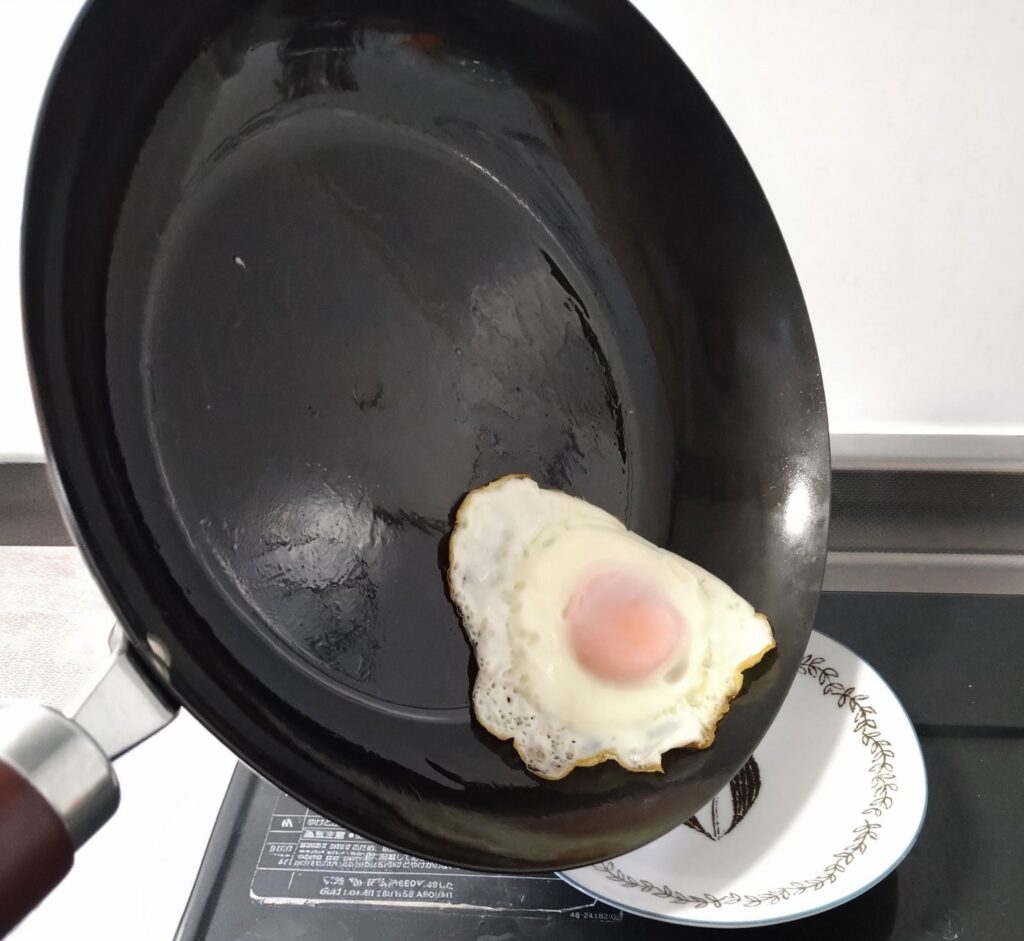
    Even something as simple as a fried egg
    comes out cleanly, without sticking,
    once the pan is properly heated.

    Slid right off

    How It Feels to Use

    It’s not as effortless as a non-stick pan.

    It requires a bit of attention —
    heating it properly
    and learning its rhythm.

    But once you get used to it,
    that small effort becomes part of everyday cooking,
    and the pan becomes something you trust.


    Practical Details

    • Wooden handle stays comfortable and doesn’t heat easily
    • Works with both gas and induction stoves
    • Replacement parts are available
    • Designed to be used long-term, not replaced

    Closing

    Not flashy.
    Not effortless.

    Just something I choose
    because I trust it in my kitchen.

    Read: A cast iron pan used in Japanese kitchens

    See: RIVER LIGHT iron frying pan

  • Why I Cook with a Cast Iron Pan

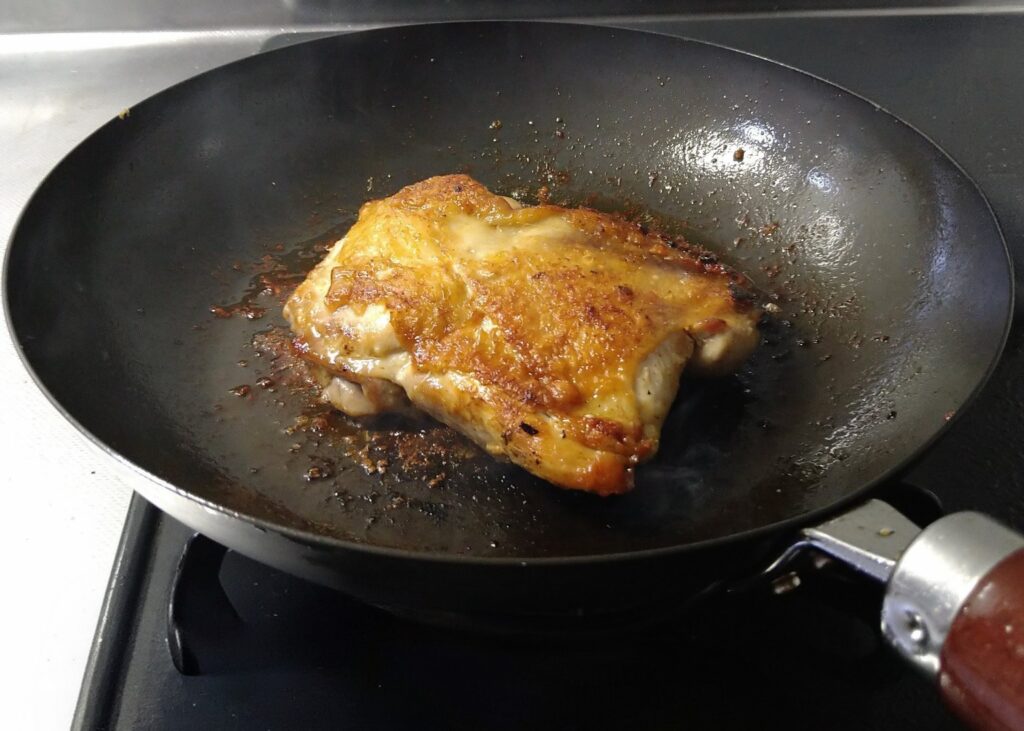
    Crispy, juicy chicken — cooked in a cast iron pan.

    Vegetables, eggs, chicken, simple stir-fries —
    a cast iron pan is often what I reach for
    when cooking without thinking too much.


    A cast iron pan (or skillet)
    handles and retains heat well.

    Even after adding ingredients,
    the pan stays hot,
    so food browns evenly.

    Vegetables stay crisp,
    eggs stay tender,
    and chicken develops a crisp surface
    while staying juicy inside.

    This difference is especially noticeable
    in simple dishes.


    Cooking with cast iron
    takes a little getting used to.

    If the pan isn’t heated properly,
    food can stick —
    especially eggs.

    If you’re curious why this happens,
    I explain it in more detail here:

    Why Food Sticks to Cast Iron — and How to Prevent It


    With regular use,
    a natural layer of oil develops on the surface,
    making it easier to cook with over time.

    If food sticks,
    wash the pan with water
    and scrub it with a tawashi.

    Just water and a karkaya brush — nothing else.

    Cast iron pans have no chemical coatings,
    so there’s nothing to wear off.

    Unlike non-stick cookware,
    they rarely need replacing.

    It’s something you keep.


    Among the cast iron pans I’ve used,
    the one I reach for most often
    is made by River Light in Japan.

    It’s from the Kiwame series,
    designed to be rust-resistant
    and easy to maintain.


    You can read my full review here:
    River Light iron frying pan

    View the River Light iron frying pan on Amazon.