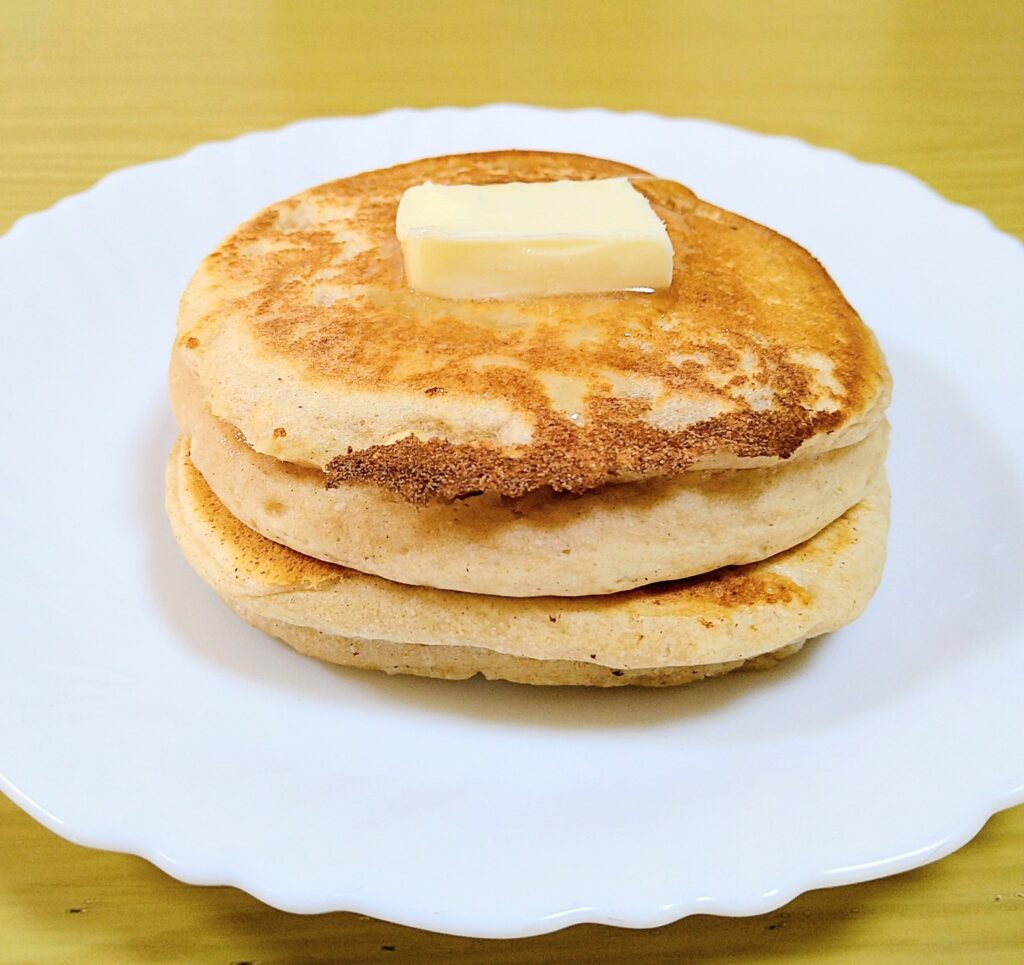
I thought pancakes would be difficult in cast iron.
They weren’t.
They may stick at first, or simply not be set enough to lift — either way, once the surface firms up, they release with light pressure.
Even if the center is slightly stuck, any turner — wood, silicone, or stainless steel — can get under it without much force.
For cast iron, pancakes are surprisingly easy to work with.
How to Make It
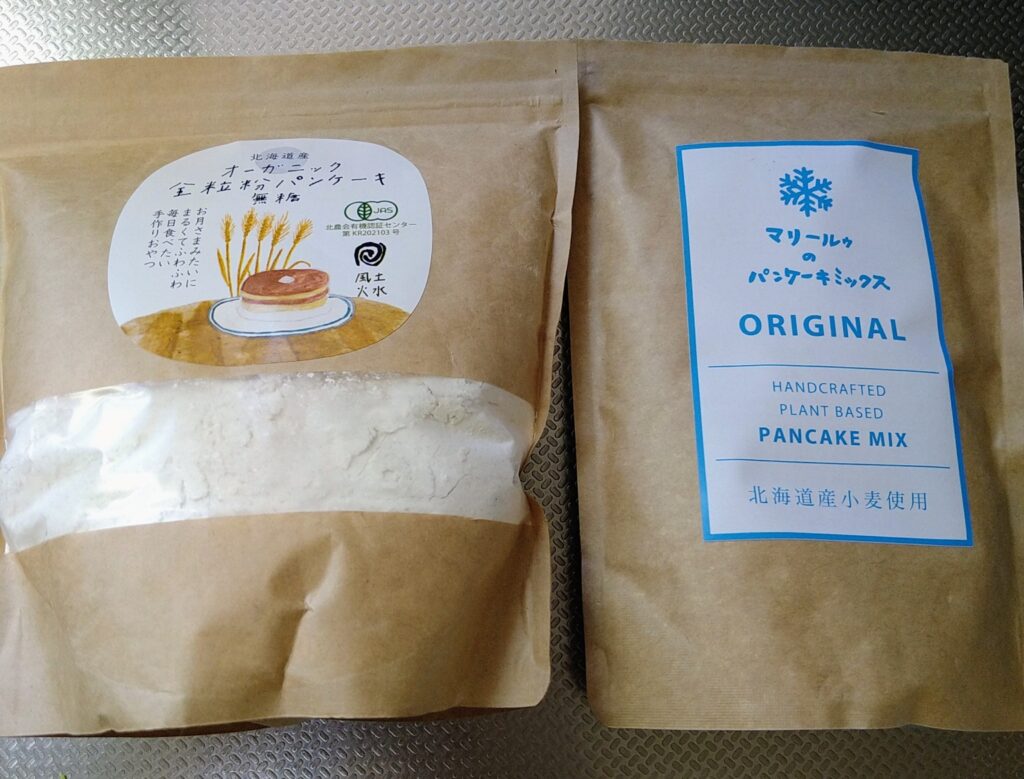
No sugar on the left. Sugar on the right.
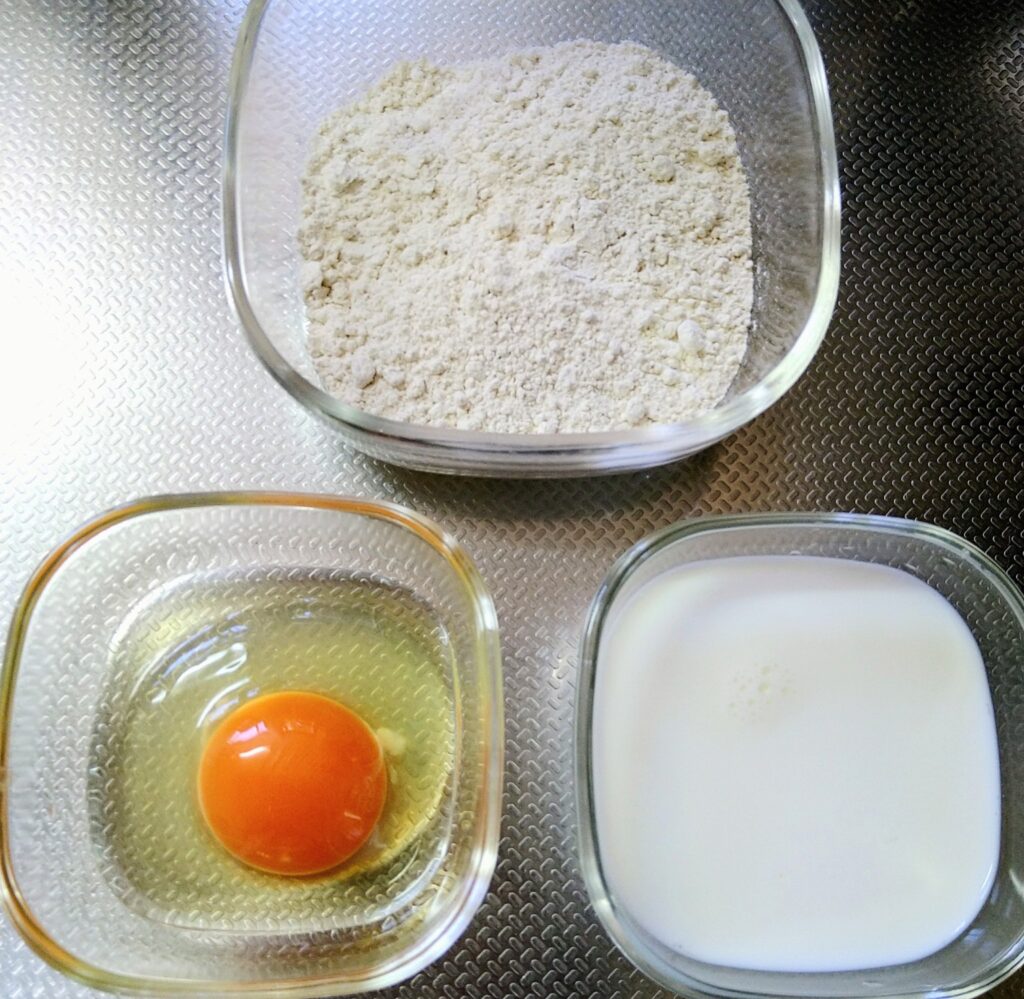
Follow the measurements on the package — they work as is.
Mix the egg and milk together with a whisk first, then add the flour. When I added the flour to the milk first and mixed in the egg afterward, it didn’t combine evenly.
Cook on low heat. For thin pancakes, a lid is optional. For thicker ones, a lid helps prevent the center from being undercooked.
Eggs and Sugar — With or Without
I tested all four combinations: with and without eggs, with and without sugar. The difference in sticking was negligible.
Sugar makes things slightly more prone to burning.
Eggs make a difference in color.
Without eggs, the pancakes come out pale.
With eggs, the Maillard reaction gives them a nice golden color — if that matters to you, they’re worth adding.
How Much Milk
Adding more milk thins the batter, which spreads and makes a flatter pancake. It didn’t affect sticking, though.
Heat Control
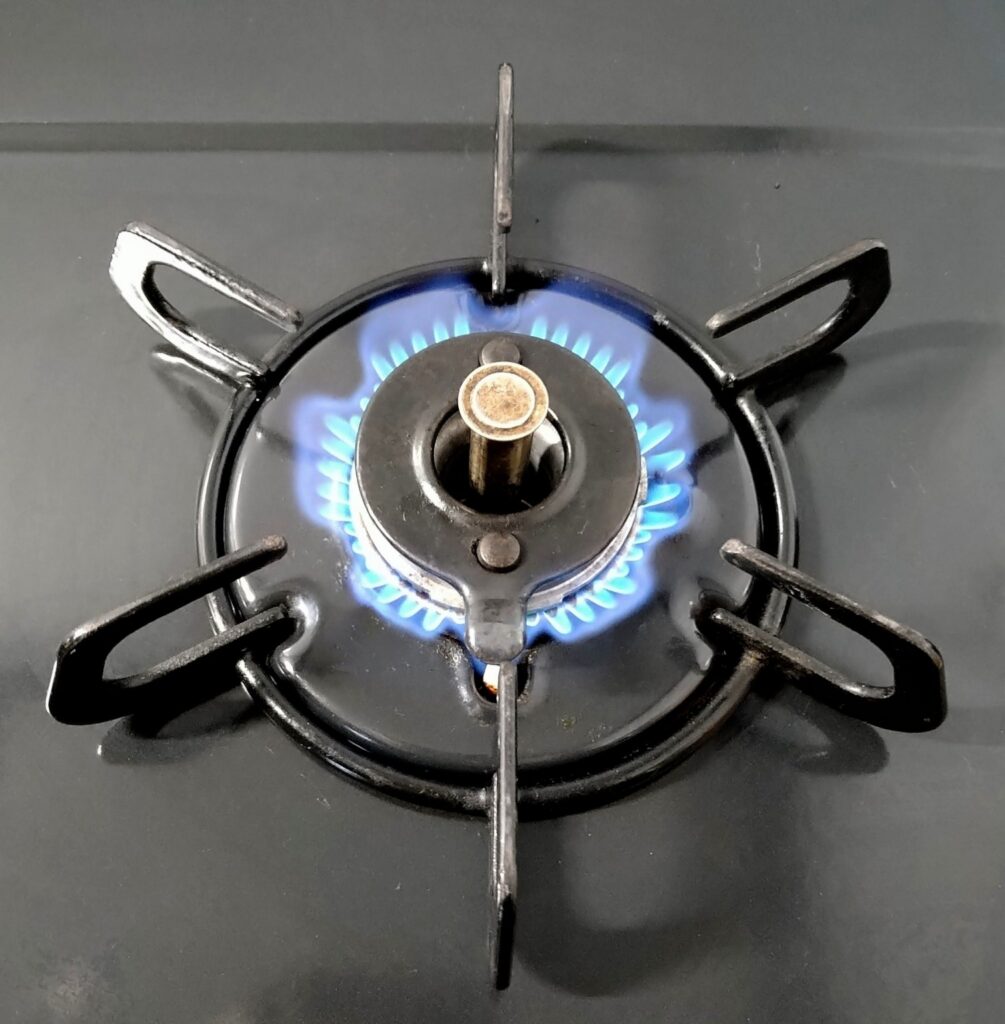
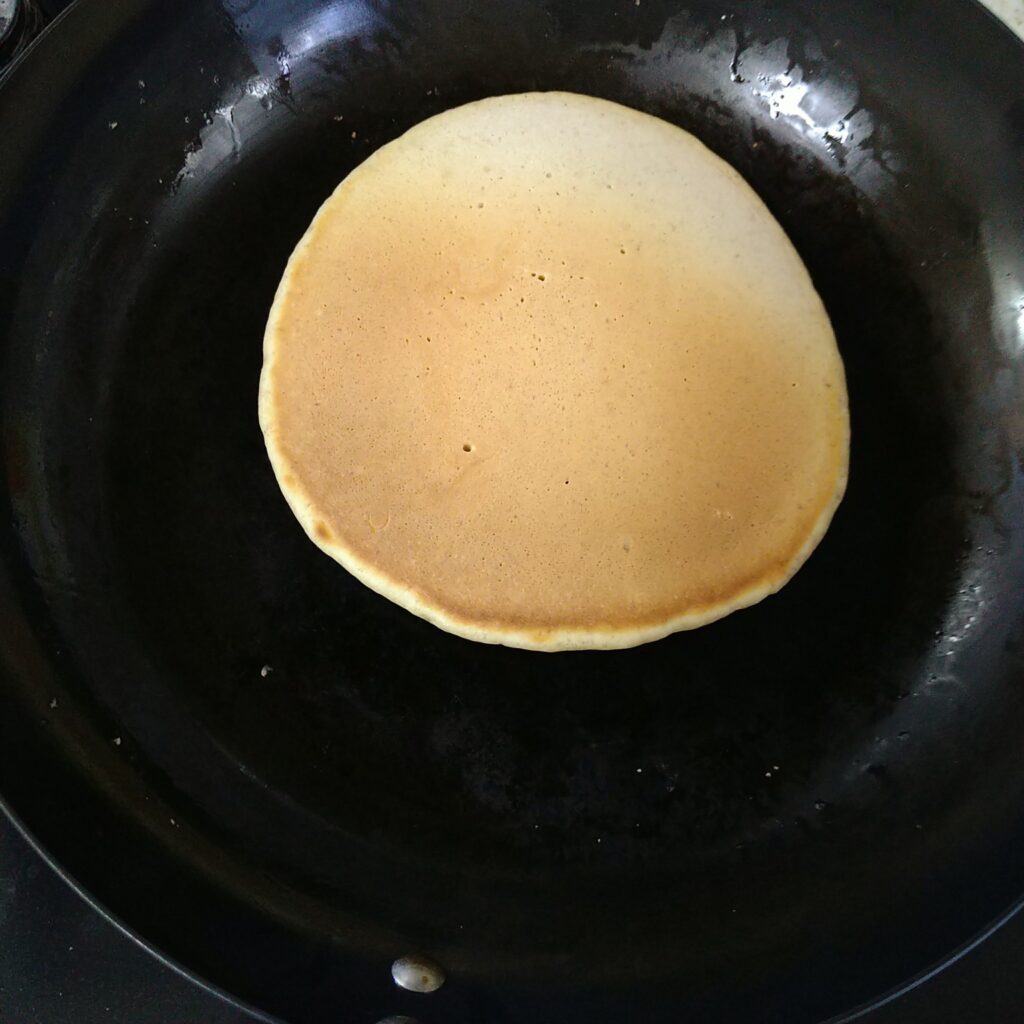
The most important factor is heat control.
Low and slow is the way to go.
I tried medium heat once to speed things up. It burned, and flipping early to avoid it left the center raw and the shape uneven.
Wait until bubbles form across the surface and the edges look dry. Then flip. Not before.
On Preheating
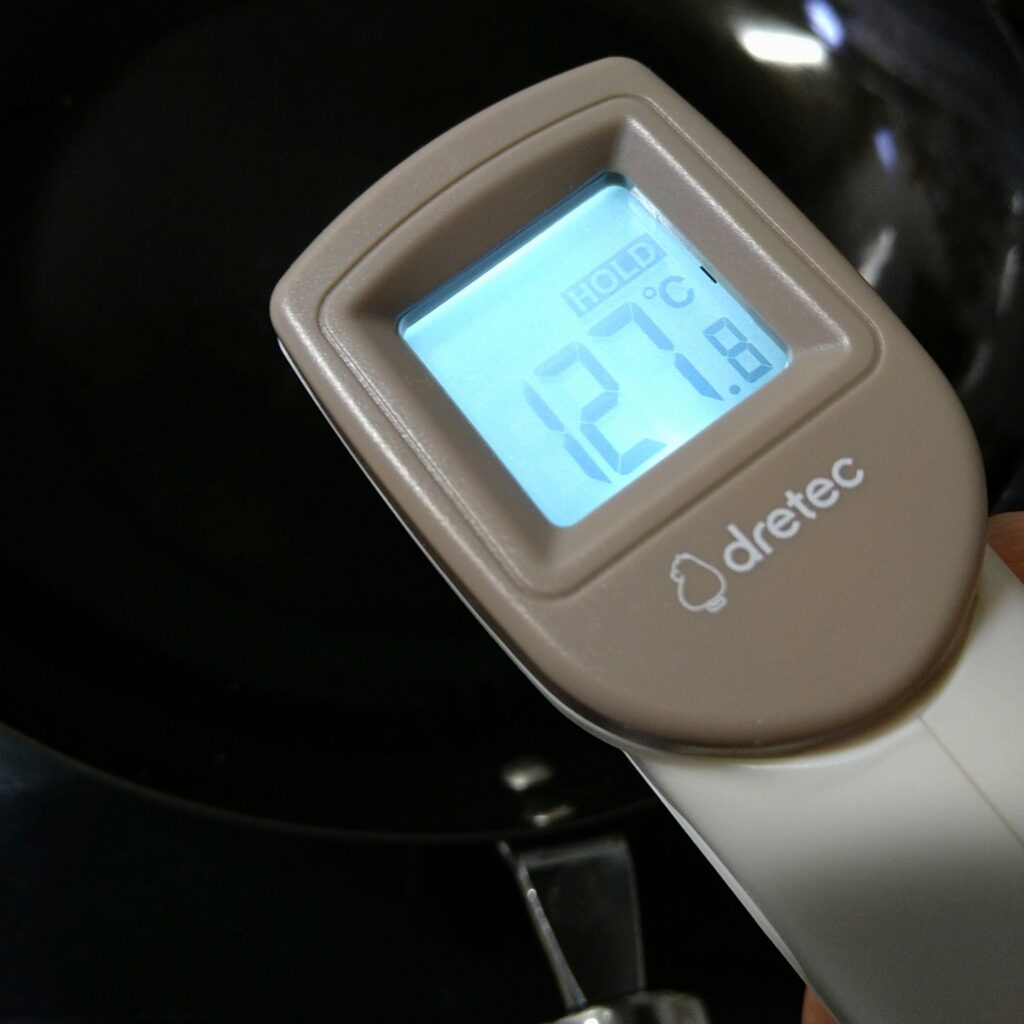
The batter released cleanly even before full preheating
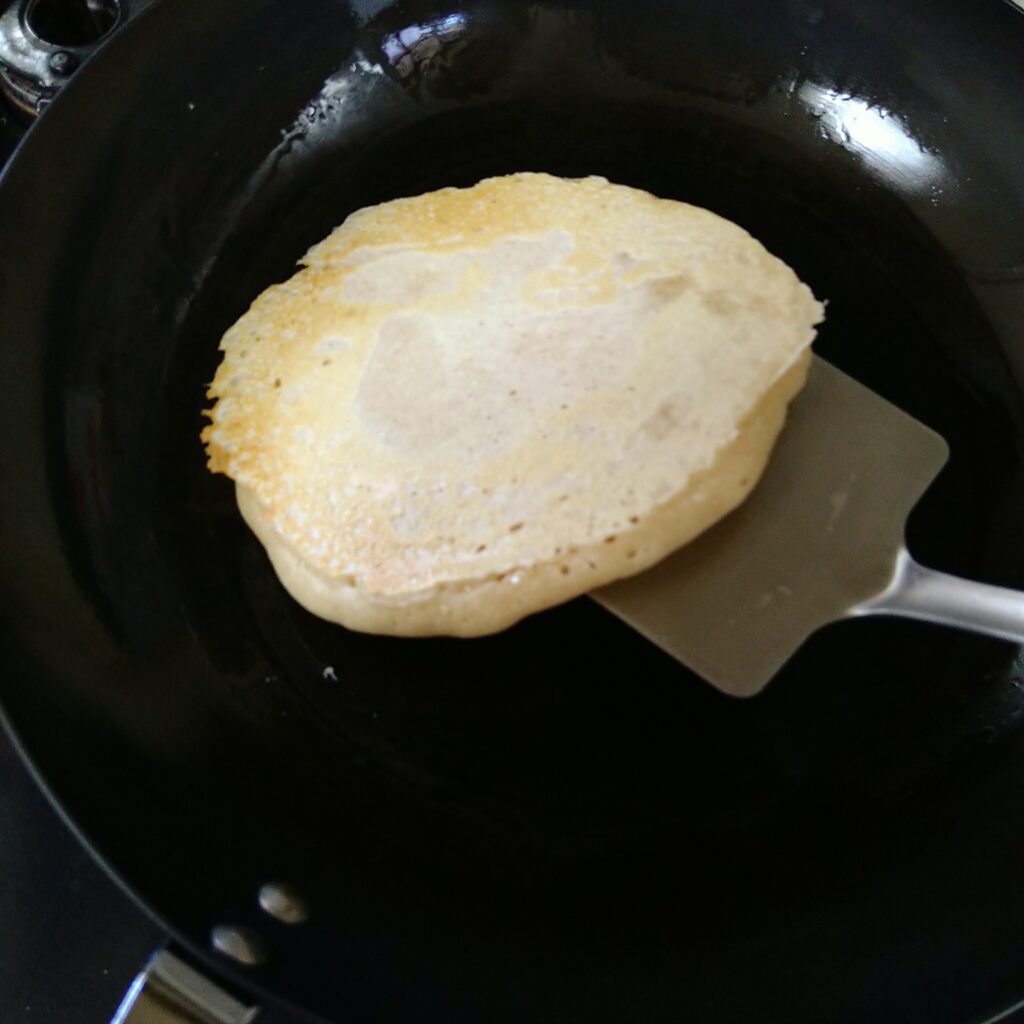
Cast iron usually needs a proper preheat, but pancakes were more forgiving. Unlike meat or eggs, starch gelatinizes under heat, and as the surface firms up, the adhesion weakens. The batter also sets as a single mass, so it lifts off cleanly even under pressure.
When the pan is properly preheated, briefly touching the bottom to a damp cloth just before adding the batter can help prevent burning — especially for the first pancake.
On Oil
I used half a tablespoon of oil at the start and didn’t add more. Everything cooked through without sticking. Whether that’s down to the properties of cast iron, the flour, or both — honestly, I’m not entirely sure.
One more thing: too much oil can apparently cause uneven browning. I did notice the second and third pancakes came out more evenly colored than the first.
Closing
Eggs, sugar, how much milk — none of it affected sticking.
Pancakes turned out to be far more compatible with cast iron than I expected.
What you need to make pancakes in a cast iron pan is the right heat, and the patience to wait for it.
If patience isn’t your strong suit, eggs and a lid may help a little.
Leave a Reply