Author: misato

  • HARIO Glass Food Storage Containers in a Japanese Kitchen

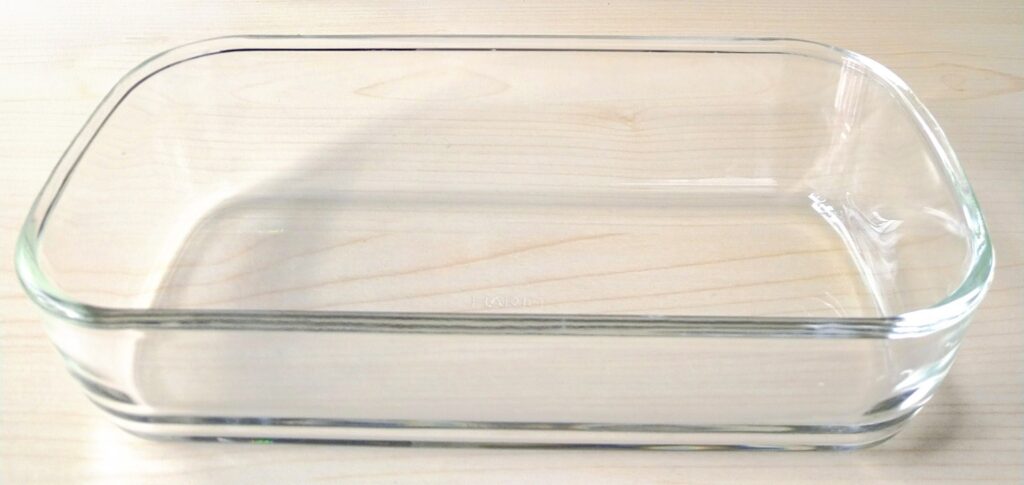
    HARIO Glass Food Storage Container
    Heat-resistant glass made in Japan.
    Simple, durable, and easy to use in everyday food storage.

    In my refrigerator, I like being able to see what’s inside at a glance.

    Why I Chose Glass

    I didn’t replace my plastic containers all at once.

    Nothing was broken.
    Nothing felt urgent.

    But over time, I started thinking about the materials I use every day.

    Because I use them for food,
    I wanted something I could trust a little more.

    Glass felt like a more intentional choice.

    This container from HARIO
    was one of the first I started using.

    HARIO produces its own heat-resistant glass in Japan,
    using natural minerals and avoiding heavy metals.

    That level of attention to safety mattered to me.

    At the same time, it’s easy to find and reasonably priced.


    What Makes It Good

    • You can see what’s inside at a glance,
      which helps reduce small food waste
    • Works in the microwave, freezer, and dishwasher
    • Can be placed directly on the table
      without feeling out of place

    Things to Keep in Mind

    • The lid isn’t fully airtight
    • The lid should not go in the microwave
    • Leave space when freezing liquids

    Small things, but worth knowing.


    Closing

    It’s not a dramatic change.

    Just glass instead of plastic.

    But when something touches your food every day,
    small decisions begin to matter.

    This is one of mine.

  • Japanese Tawashi: What It Is and Why People Still Use It

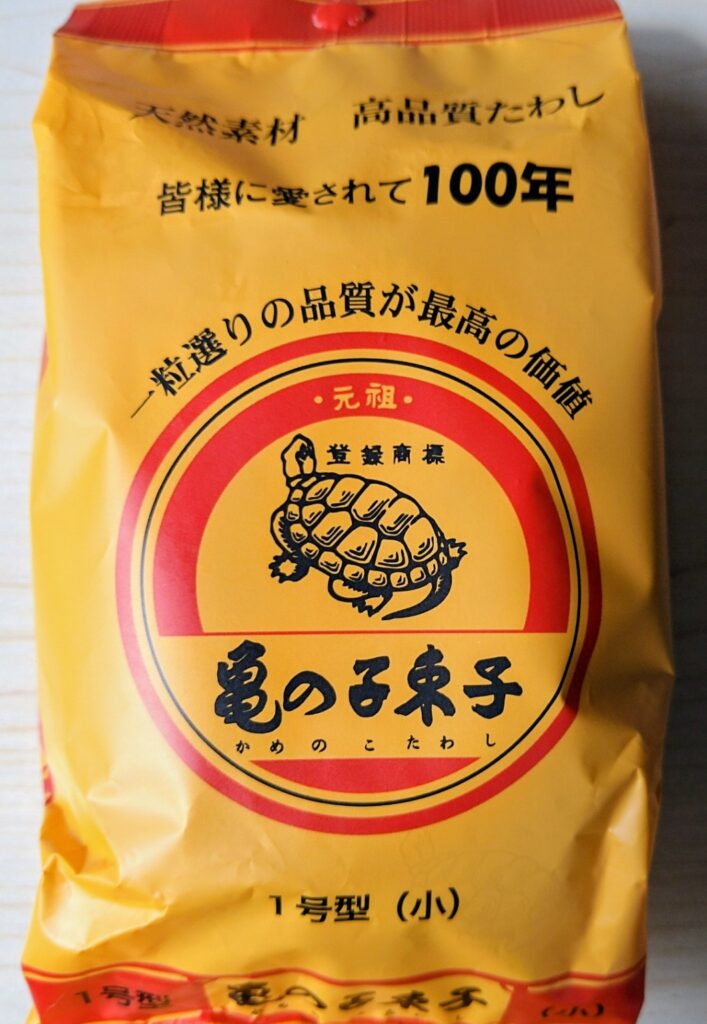
    Kamenoko tawashi literally means “baby turtle tawashi.”
    The oval shape was said to resemble a small turtle.

    What is a tawashi?

    A tawashi is a traditional Japanese scrubbing brush
    used for cleaning cookware, vegetables, and kitchen tools.

    The oval-shaped Kamenoko tawashi
    was invented in 1907 by Nishio Shoten in Tokyo,
    and is still widely used today.


    How it differs from Western scrubbers

    In many Western kitchens, cleaning is usually done with:

    • sponges
    • plastic scrub brushes
    • nylon scouring pads

    A tawashi is different.

    Many are made from natural plant fibers such as palm or shuro.

    The firm fibers help remove residue,
    and the brush dries quickly after use.


    Types of tawashi

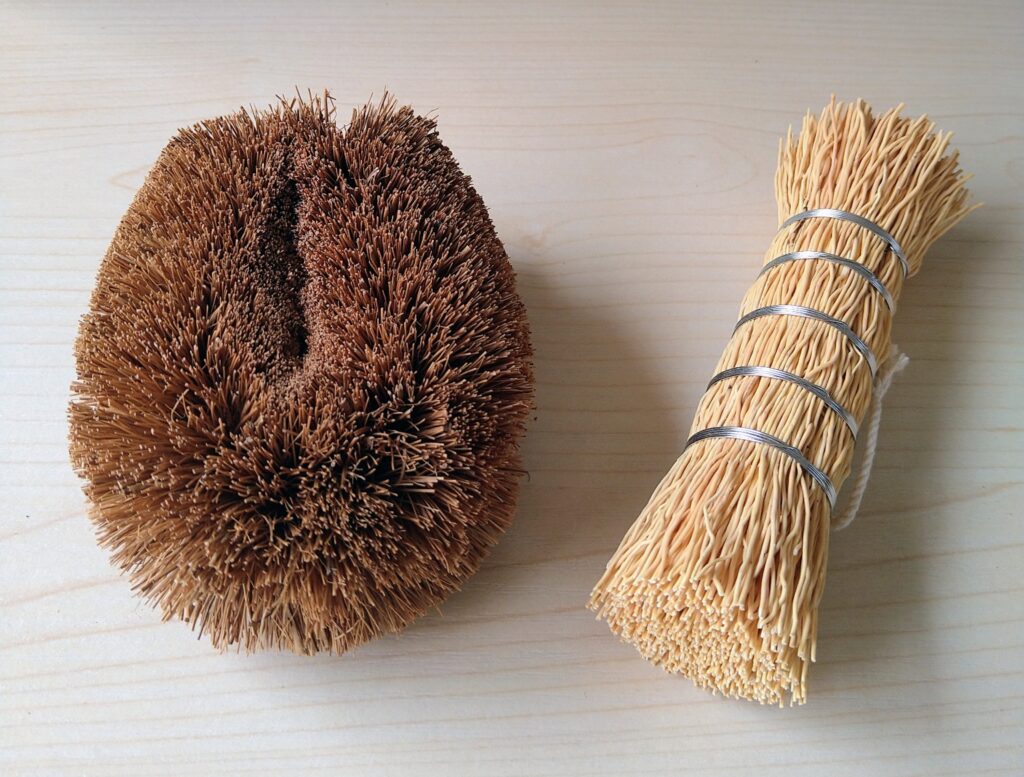
    Kamenoko Tawashi and Karukaya Tawashi

    Different materials give tawashi different qualities.

    • Palm (coconut fiber)
      Firm and commonly used for scrubbing
    • Shuro (palm bark fiber)
      Strong yet flexible
    • Sisal
      Softer fibers, sometimes used as body brushes
    • Karukaya
      A slim brush often used for cast iron cookware

    How tawashi are used in the kitchen

    Pots and pans are often washed
    with just water and a tawashi.

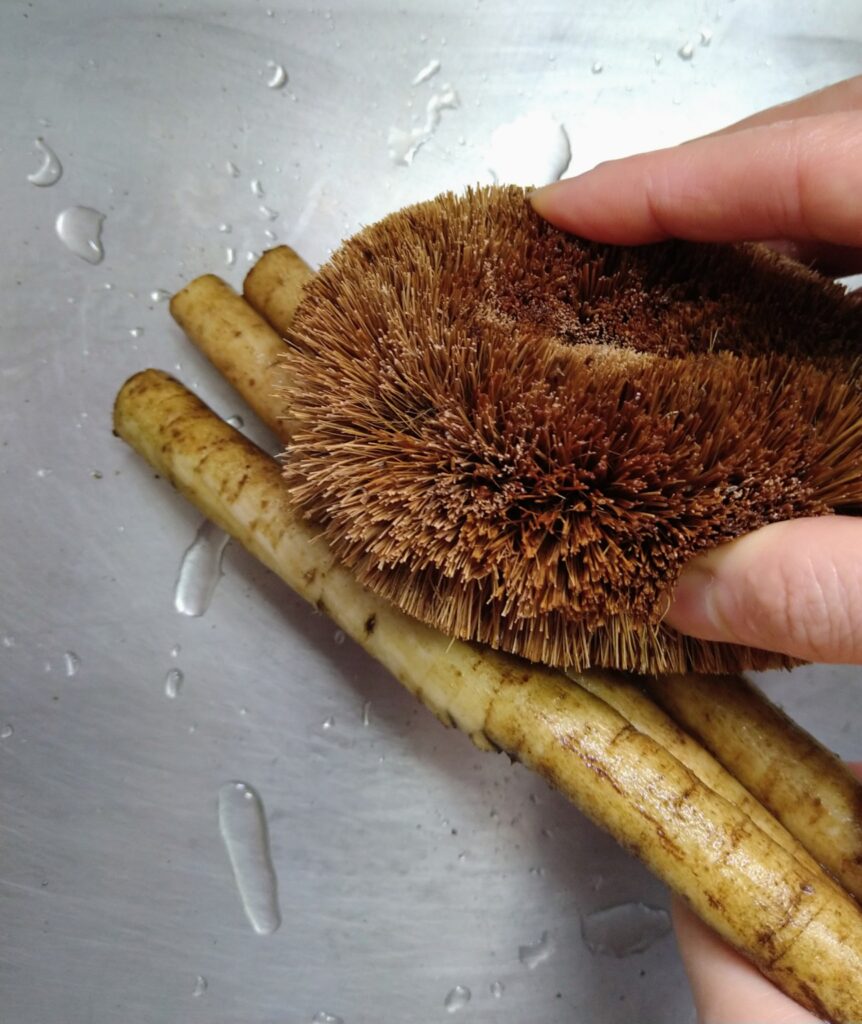
    Tawashi are used not only for pots and pans,
    but also for washing root vegetables
    such as burdock and potatoes.

    A tawashi is perfect for cleaning
    soil-covered vegetables like burdock root.

    I keep a standard Kamenoko tawashi
    and a karukaya brush for my cast iron pan.

    I chose these because they are simple,
    durable, and easy to use every day.

    This is the karukaya brush I use for my cast iron pan.
    See the karukaya tawashi I use

    This is the palm tawashi I use most often.
    See the palm tawashi I use

    A donut-shaped version is also available.
    See a donut-shaped tawashi


    Why people still use tawashi

    Even after kitchen use,
    a tawashi is rarely thrown away.

    It can be reused for cleaning sinks, drains,
    stove grates, shoes,
    or even outdoor surfaces.

    Because it is durable and versatile,
    it remains a practical tool
    in many Japanese homes.


    Closing

    A simple tool
    that continues to be used in everyday life.

    Over time, it has become a small, familiar tool in my kitchen.

  • How to Care for a Cast Iron Pan(A Simple Everyday Routine)

    Cast iron pans are often thought to be difficult to maintain.
    In reality, their care is quite simple once you understand a few basic routines.


    Point 1: Transfer the food once it’s done

    Once the food is ready,
    I usually transfer it to a plate or container.

    Leaving food in the pan for too long
    can make it more prone to rust,
    especially when the dish contains acid or salt.


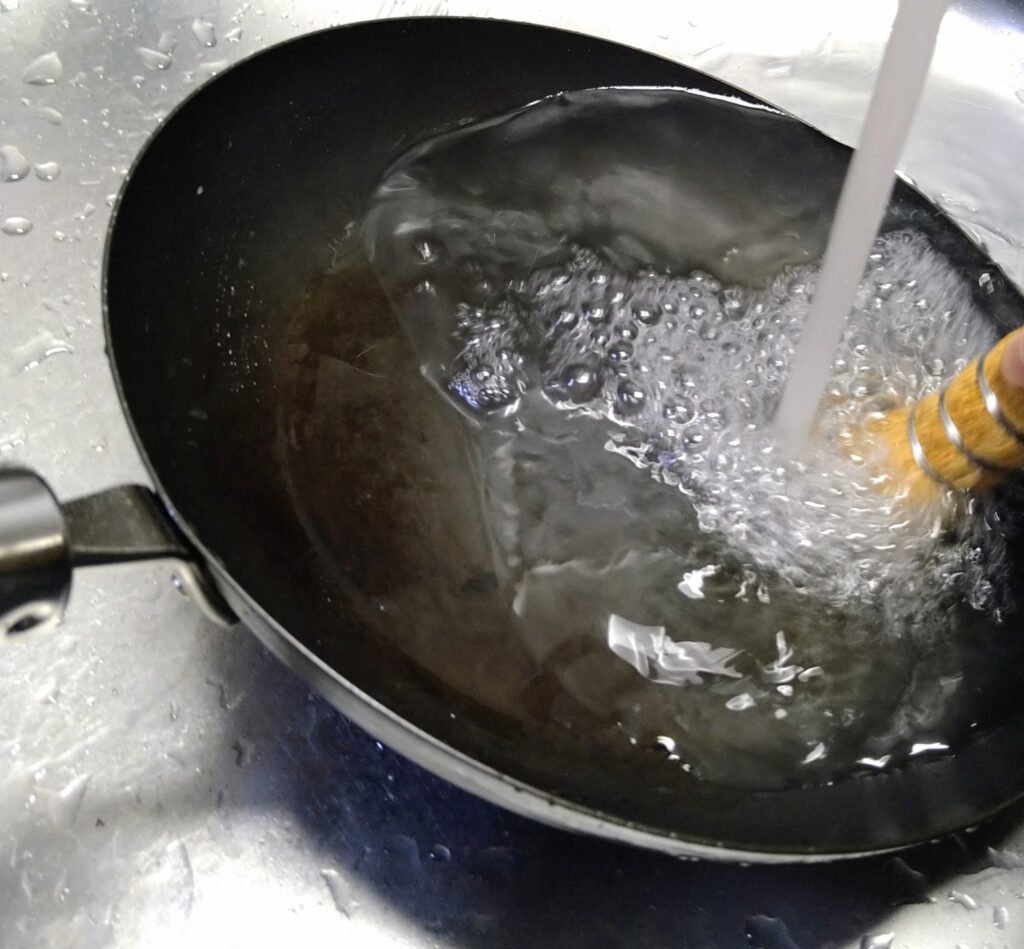
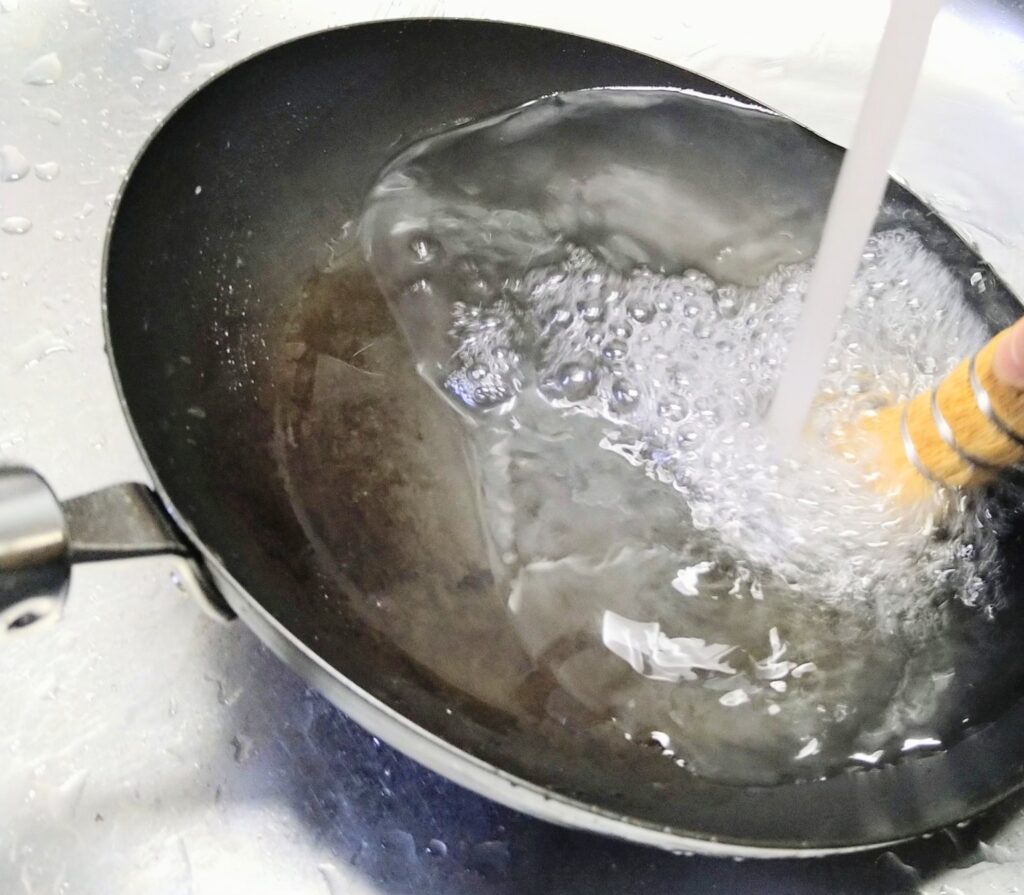
    Point 2: Wash the pan with water and a brush

    Washing the pan with water and a natural fiber brush.

    Cast iron pans are generally washed without detergent.

    This helps the surface gradually build
    its natural oil layer over time.

    Instead of a sponge,
    a scrubbing brush or a traditional tawashi works better for removing residue.

    I use a natural fiber brush called a
    Karkaya brush.

    If food is stuck to the pan,
    add some water and bring it to a boil.
    Let it sit for a moment,
    and the residue will loosen.


    Point 3: Dry the pan thoroughly

    After washing,
    wipe away the moisture with a paper towel
    or place the pan over heat
    to evaporate any remaining water.


    Point 4: Apply oil when necessary

    Because the pan is washed without detergent,
    oil gradually settles into the surface over time.

    For this reason,
    there is no need to apply oil after every use.

    However, if the pan will not be used for a long period,
    apply a thin layer of oil before storing
    to help prevent rust.


    Point 5: Burn off stubborn residue

    If stubborn residue remains
    even after scrubbing with a natural brush,
    place the pan on the stove and heat it
    for about 10 minutes.

    Use moderate heat
    so the pan does not smoke excessively.

    This burns off the stuck residue.

    After letting the pan cool slightly,
    scrub it with a copper or stainless steel scrubber.

    Since the protective layer may have been removed,
    dry the pan thoroughly
    and apply a thin coat of oil afterward.


    Closing

    Over time,
    these small routines simply become part of cooking.

    The pan slowly builds its surface,
    and before long,
    it becomes a tool you reach for without thinking.

    Quiet, simple cookware
    meant to stay in the kitchen for years.

    If you’re curious about the pan I use,
    you can read my full review here.
    Read the full review

    If you’re interested,
    you can see the exact pan I use here.
    See the exact pan

  • Why Food Sticks to Cast Iron — And How to Prevent It

    When Food Sticks

    One of the most common concerns with cast iron
    is sticking — especially with eggs.

    In most cases,
    it isn’t the pan.
    It’s the heat.

    Cast iron needs to be fully preheated
    before adding oil.

    I heat the pan until it is properly hot —
    sometimes just before it begins to smoke —
    then lower the heat slightly
    and add the oil.

    Once the oil is heated,
    I add the egg.

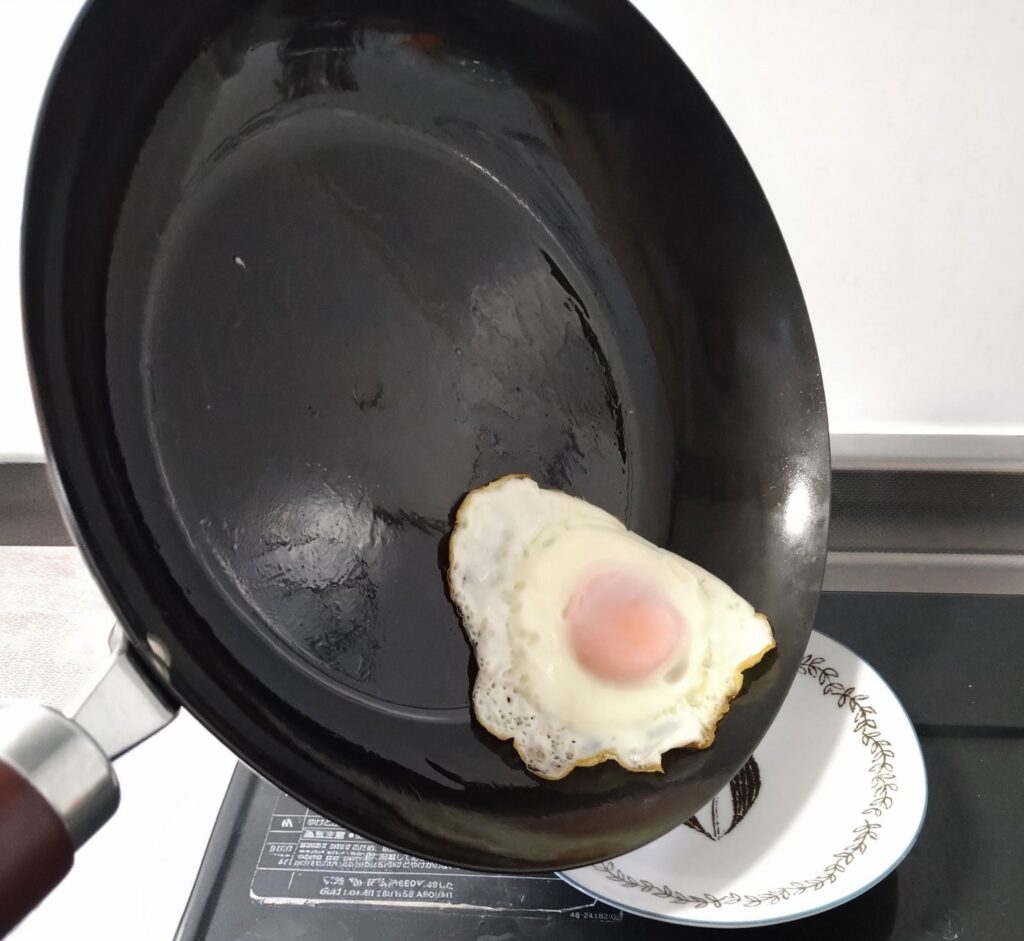
    When the pan is ready,
    the egg releases easily.


    No Sticking — Just Proper Heat and Enough Oil

    Because protein tends to stick more easily,
    I sometimes add a little more oil —
    especially when the pan is still relatively new.

    If something does stick,
    add a small splash of water,
    cover with a lid,
    and let the steam help release it.

    If needed,
    turn off the heat and wait.


    Before First Use: Initial Seasoning

    For a new pan,
    initial seasoning is important.

    Most manufacturers recommend filling the pan
    with oil to about one-third of its depth.

    I usually use a little less —
    about one-quarter —
    as long as the surface is fully coated.

    Heat the oil for about five minutes,
    then let it cool slightly
    before removing the excess.

    It doesn’t have to be perfect.
    What matters is building layers over time.


    Closing

    Cast iron isn’t difficult.
    It simply requires proper heat and a bit of patience.

    Once you understand that,
    it becomes easy to use.

    If you’re curious about the pan I use,
    you can read my full review here.
    Read the full review

    If you’re interested,
    you can see the exact pan I use here.
    See the exact pan

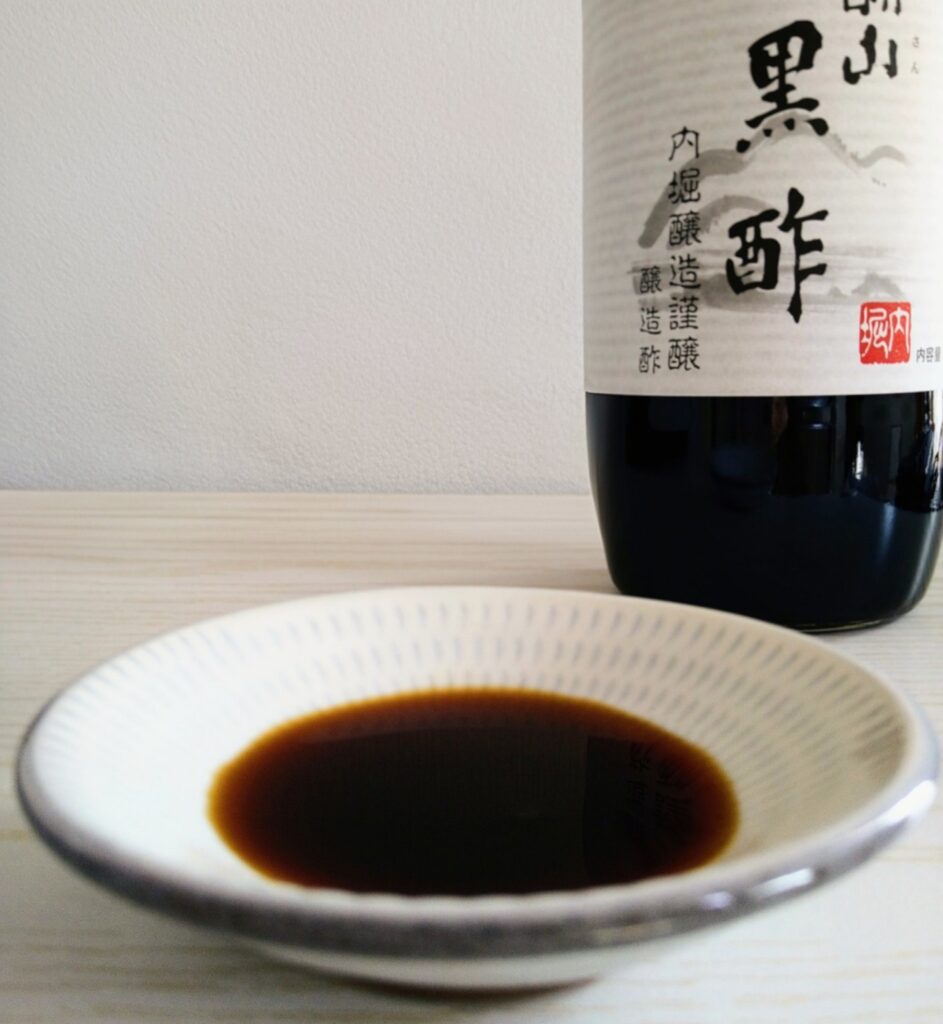
  • Uchibori Rinkosan Black Vinegar

    A Japanese black vinegar
    made from brown rice,
    slowly fermented and aged over time.


    Flavor

    It has a gentle acidity
    with a subtle depth and faint natural sweetness.

    Compared to many black vinegars,
    the sharpness is mild,
    making it easy to use even as a simple dipping sauce.

    When heated,
    the acidity softens and the richness deepens,
    adding a quiet layer of flavor to dishes.


    How I Use It

    On Friday evenings after work,
    I sometimes pick up gyoza and a beer on the way home.

    Once I’m back,
    I mix soy sauce with this vinegar
    and add a little yuzu kosho.

    It’s a simple combination,
    but one that helps me unwind,
    and over time it has become a small weekly ritual.

    It also works well in pickles, dressings,
    and with meat or fish dishes.

    Rather than following recipes,
    I tend to add it in small amounts
    to everyday cooking.


    Why I Keep It

    With its accessible price,
    it’s easy to keep in the kitchen
    and use regularly without hesitation.

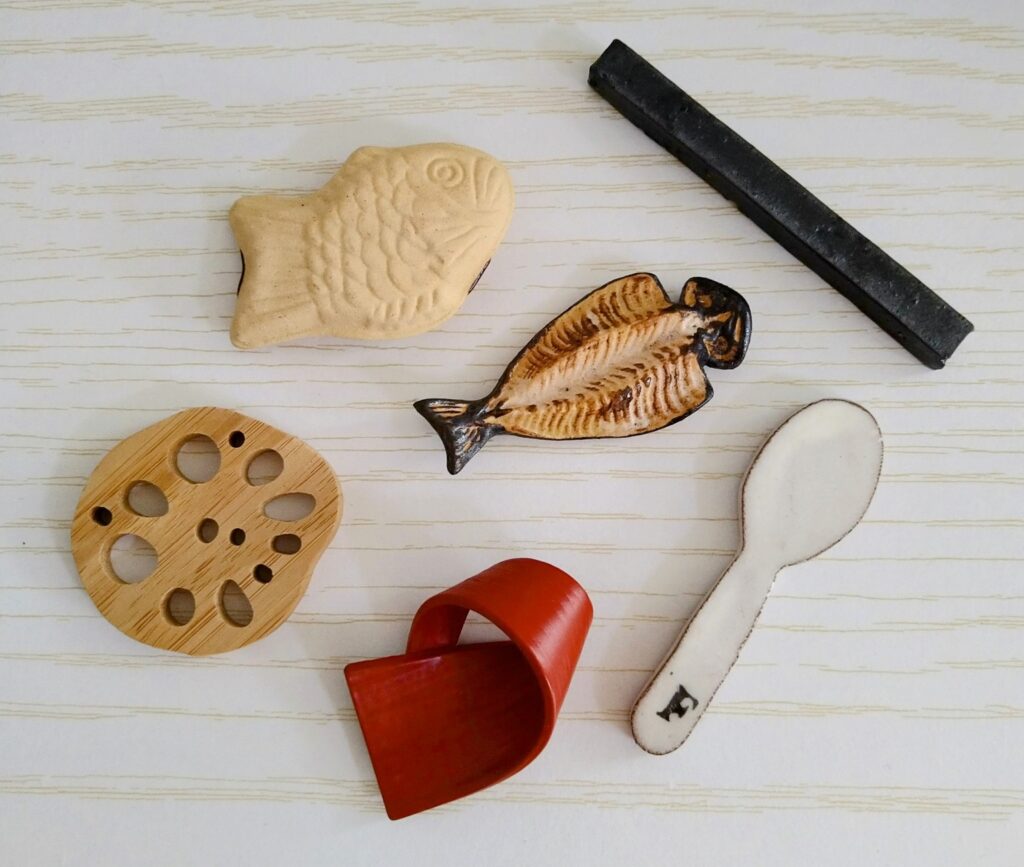
  • Why Use a Japanese Chopstick Rest?

    A Small Detail That Shapes the Table

    Even the smallest objects can quietly change the atmosphere of a meal.

    In Japanese dining,
    a chopstick rest is often placed beside the plate.
    In Japanese, it is called hashioki (箸置き).


    Why They’re Used

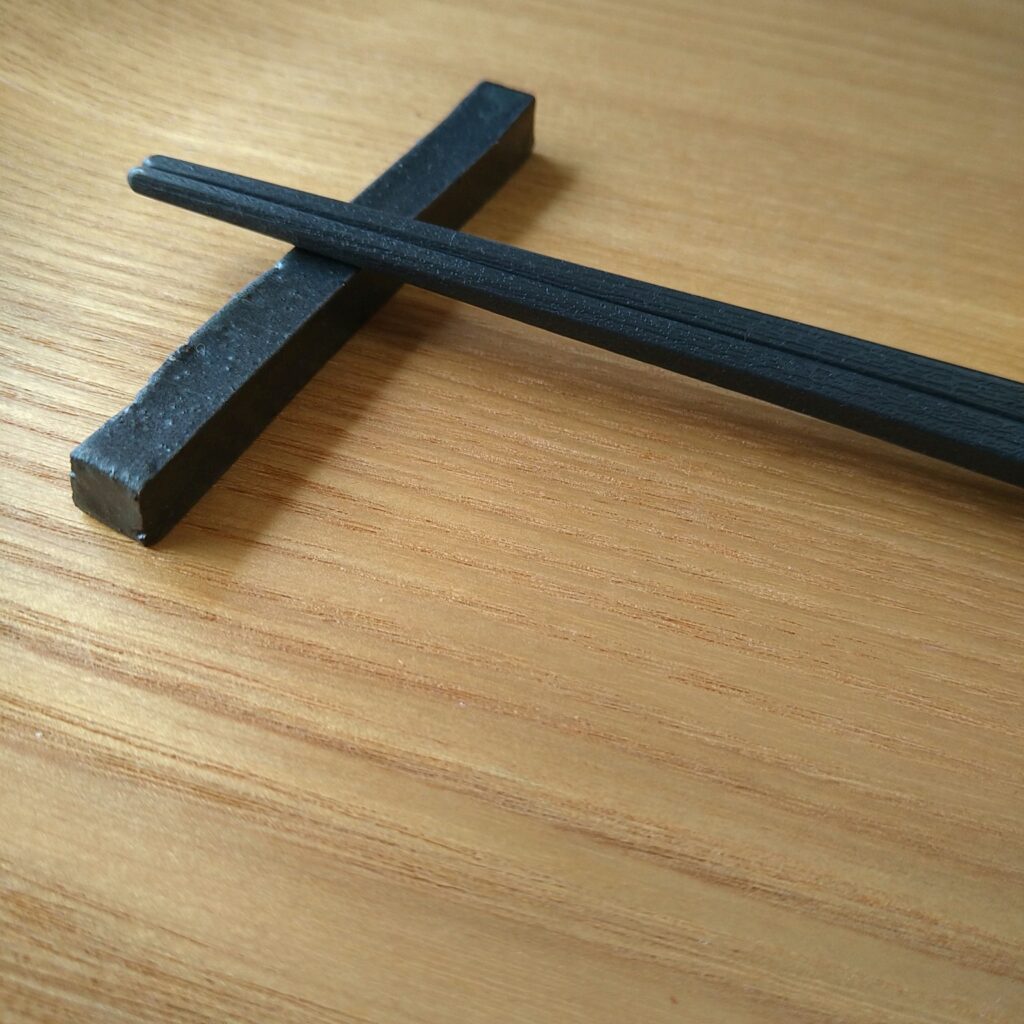
    A chopstick rest keeps the tips of chopsticks
    from touching the table
    and prevents them from rolling.

    It’s a small detail,
    but it helps keep the table clean
    and gently organized.

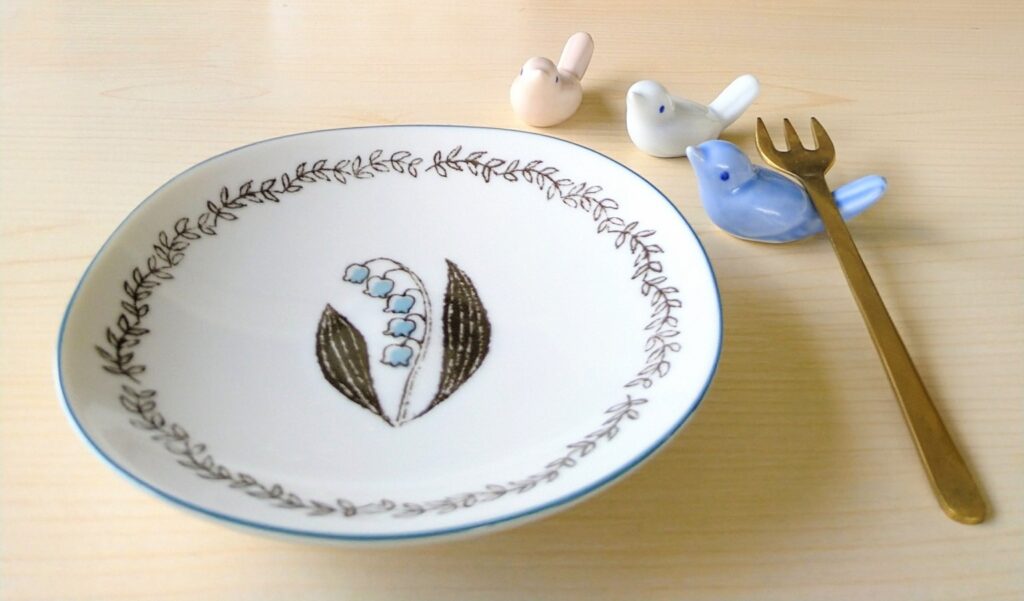
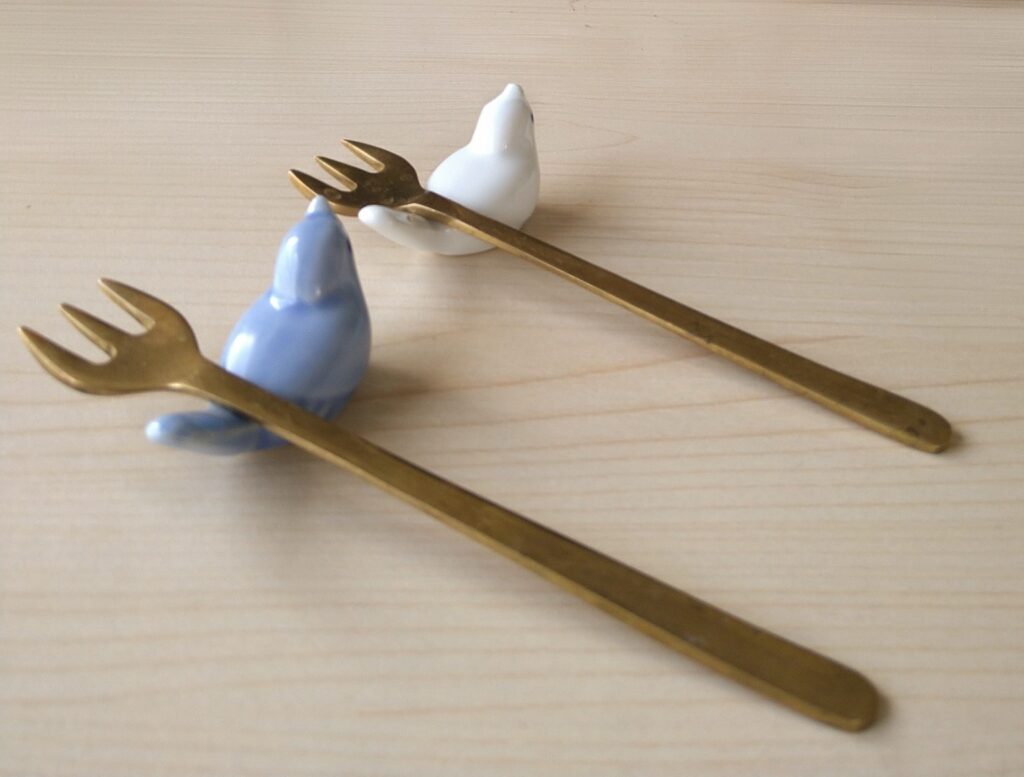
    Although they are called chopstick rests,
    they can also be used to hold forks or spoons.

    Small bird-shaped chopstick rests
    paired with simple dessert forks.

    Some people even use them to hold notes,
    like a small paperweight,
    or simply display them as decorative objects.


    A Variety of Materials

    Chopstick rests come in many different materials.

    Ceramic is one of the most common,
    often seen in traditional Japanese tableware.

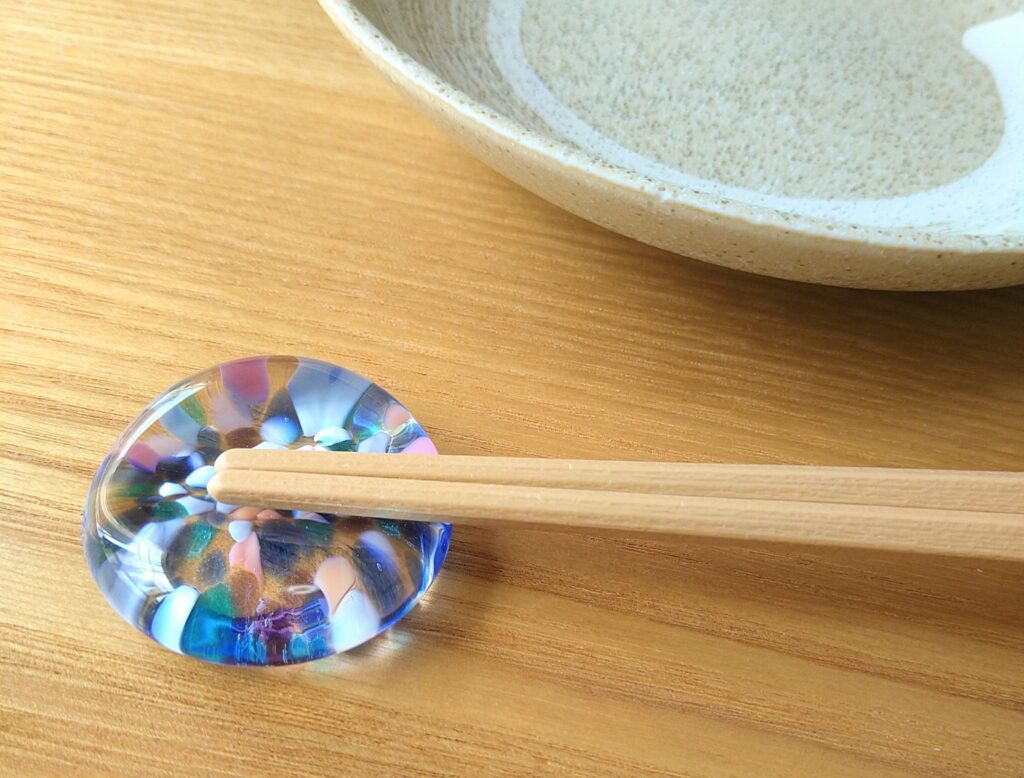
    Glass chopstick rests feel light and cool,
    making them especially popular in summer.

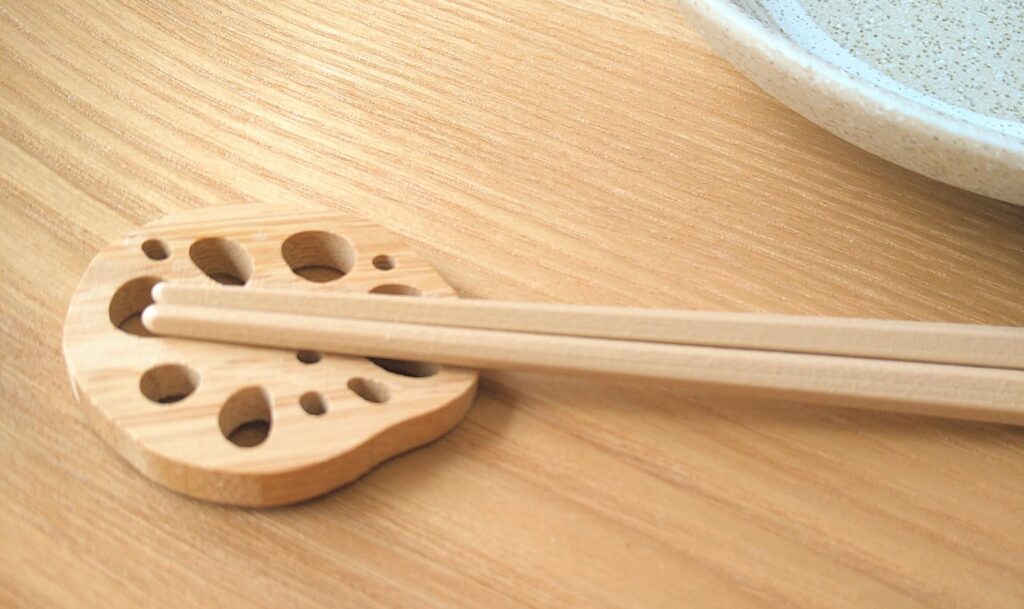
    Wooden chopstick rests bring a warm,
    natural feeling to the table.

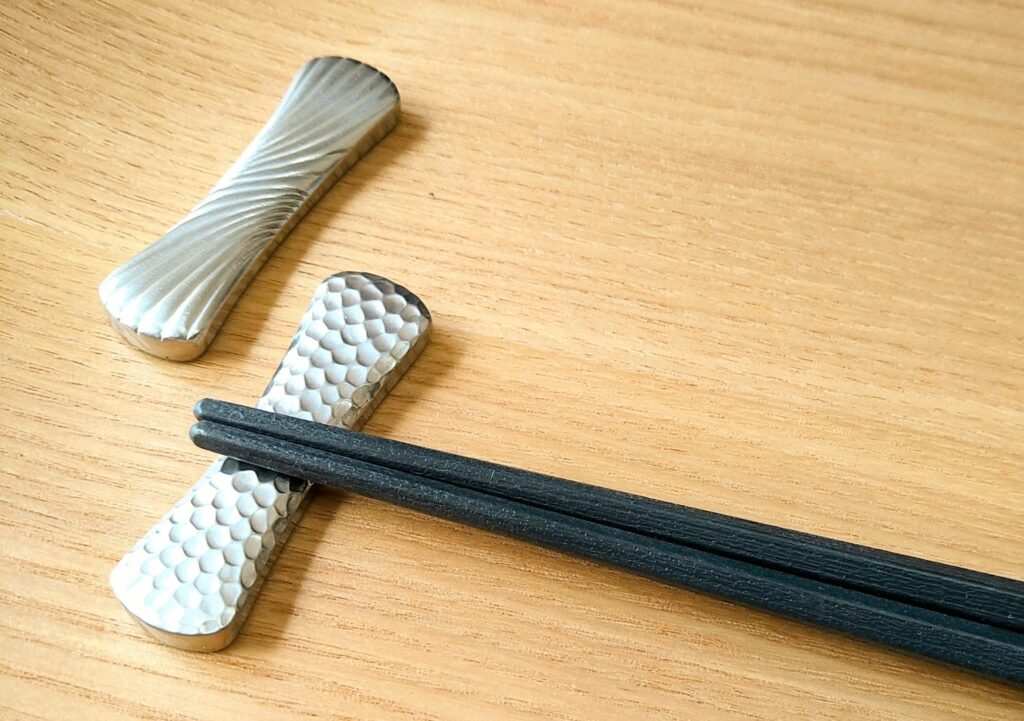
    There are also stainless steel designs,
    which give a clean and modern impression.


    A Small Pleasure on the Table

    I personally enjoy using chopstick rests.

    Even with a simple meal,
    having one on the table
    makes the setting feel just a little more thoughtful.

    When eating with family,
    they can sometimes become a small conversation starter —
    “Today’s one is different.”

    Even when I’m eating alone,
    a small chopstick rest can make the table
    feel a little more enjoyable.

    They can also reflect the seasons.
    Glass pieces feel especially fitting in summer,
    while warmer tones feel more at home in winter.

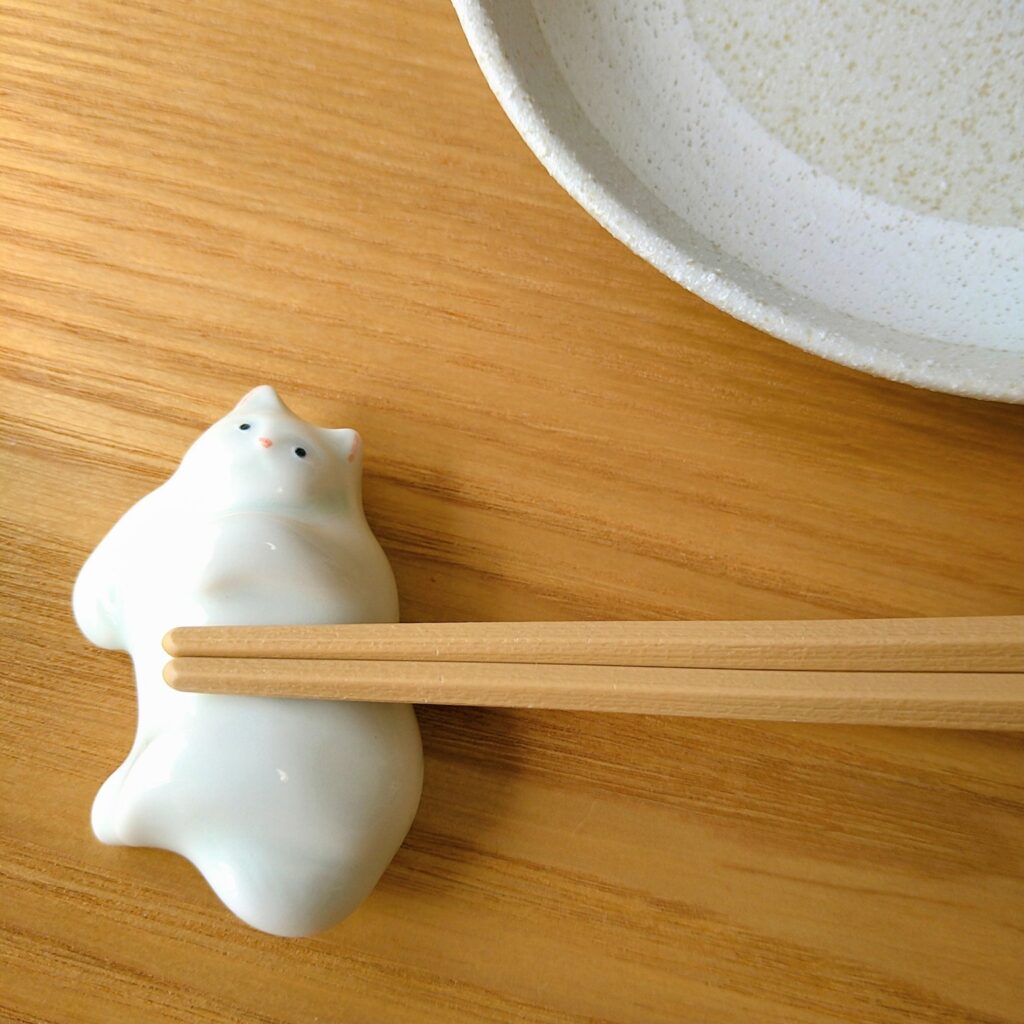
    There are also playful shapes
    that match the mood of the meal.


    Closing

    A chopstick rest is a very small object.

    Not essential,
    yet quietly pleasing.

    Small objects like these
    can gently change
    how a meal feels.

    That subtle presence
    is what draws me to chopstick rests —
    small pieces that quietly shape the table.

    If you’re curious,
    I’ve shared a few Japanese-made chopstick rests I like here.

  • Dashi — A Quiet Foundation of Japanese Cooking

    On weekends, when I cook for my family,
    or when I want to gently reset after a long day,
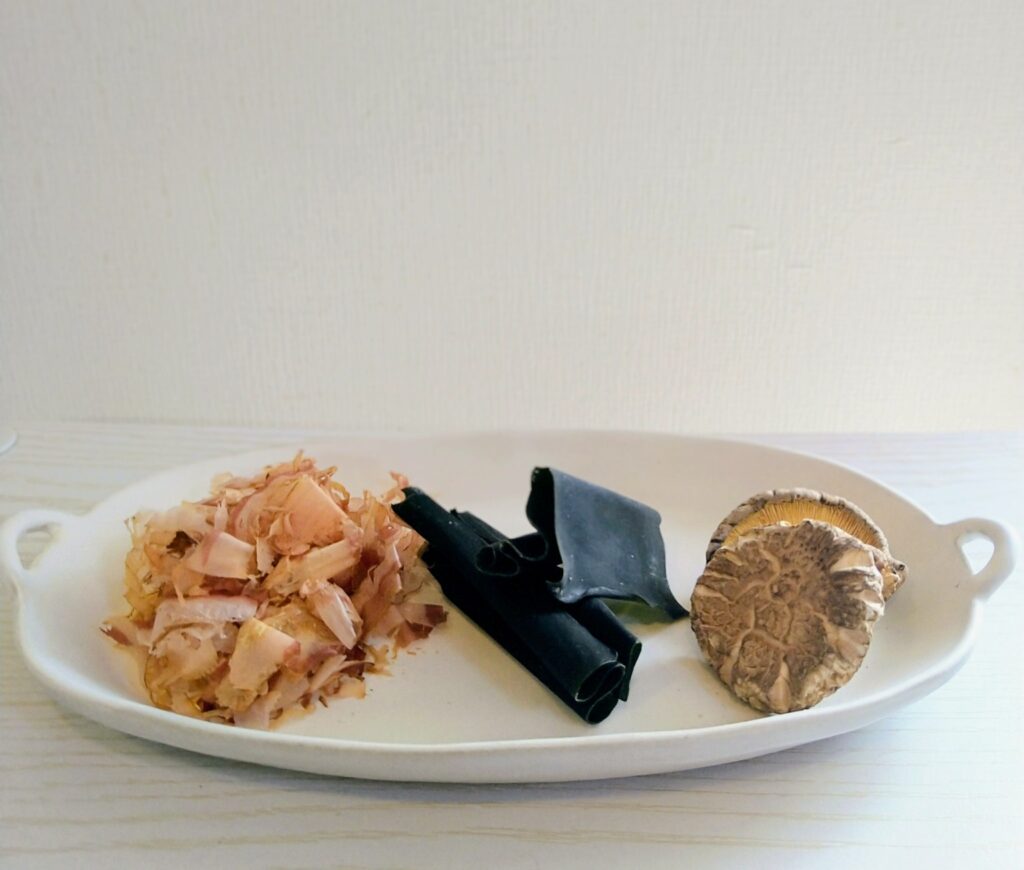
    I make dashi from kombu and bonito flakes.

    A soft, familiar aroma — one I’ve known since childhood —
    quietly fills the kitchen.

    I add a small pinch of salt to the first broth
    and taste it as it is.
    The gentle umami slowly spreads through my body,
    and I can feel myself begin to relax.

    On mornings like this,
    it somehow feels as if the day will go well.

    This kind of gentle aroma and flavor
    has always existed in Japanese kitchens.

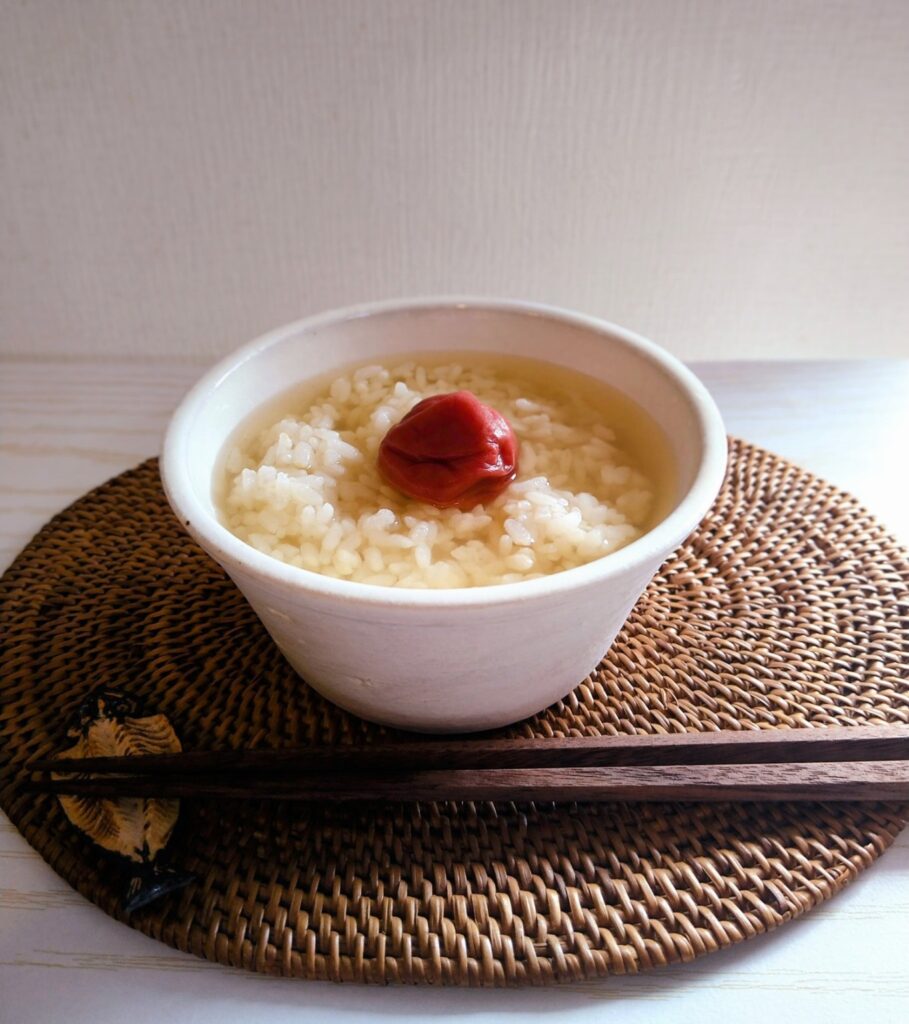
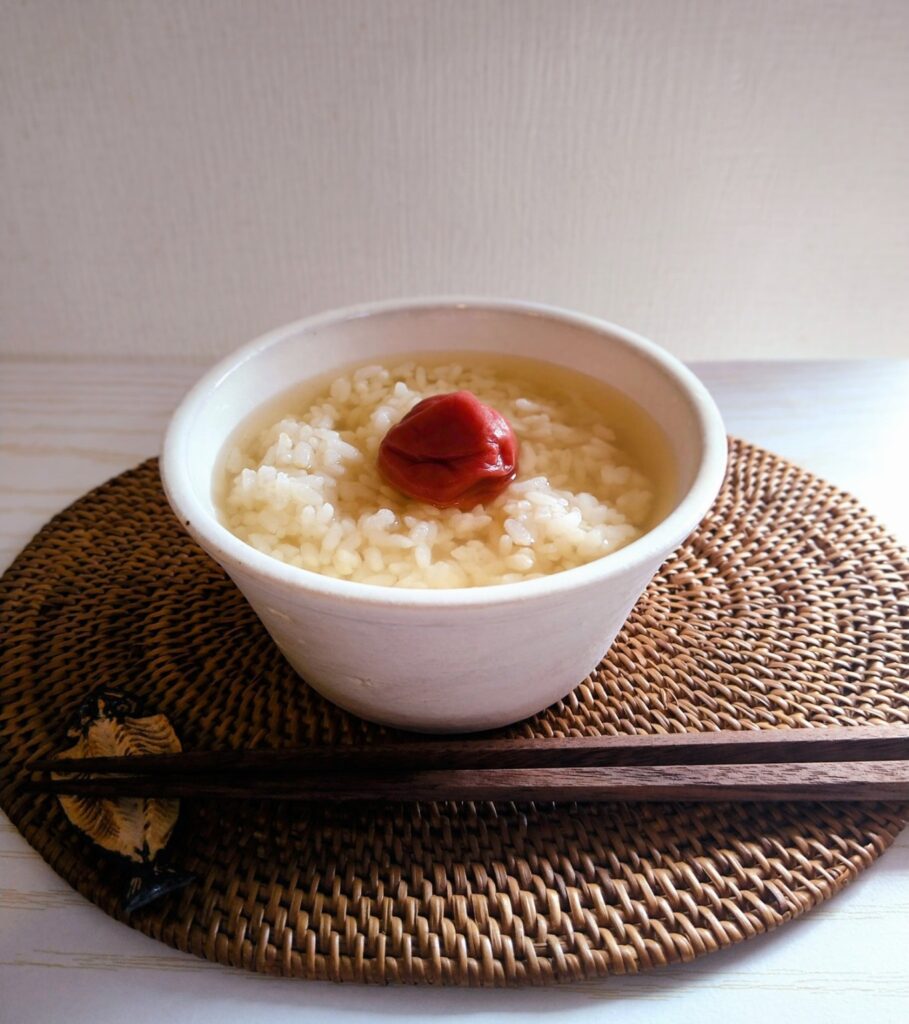
    Sometimes it’s enjoyed simply with rice
    and a single umeboshi.


    What Is Dashi?

    Dashi is the basic broth of Japanese cooking,
    made from ingredients such as
    bonito flakes, kombu, dried sardines,
    and dried shiitake mushrooms.

    It is naturally used in everyday dishes
    like miso soup, tamagoyaki (rolled omelet),
    udon, and rice bowls.


    About Umami

    The true charm of dashi lies in its umami.

    There are three main types of umami:

    Glutamic acid
    (found in kombu, tomatoes, onions, cheese, green tea, and more)

    Inosinic acid
    (found in bonito flakes, dried sardines, and meats)

    Guanylic acid
    (found in dried shiitake mushrooms and other dried fungi)

    Each has its own character,
    but when combined,
    they create a deeper, more rounded flavor.

    With good dashi,
    strong seasoning becomes unnecessary.
    The dish simply feels complete.


    How It Differs from Western Broth

    If Western broths or stocks add richness and strength to a dish,
    dashi works a little differently.

    Rather than standing out in front,
    it supports from underneath.

    Instead of adding intensity,
    it brings balance.

    It highlights the natural flavors of ingredients
    and gently brings the whole dish together.


    Basic Method

    Dashi is much simpler than it may seem.
    In professional kitchens there are probably
    many precise methods,
    but at home it’s far more relaxed.

    Soak kombu in water for several hours —
    ideally up to a day.
    Heat it gently and remove it just before boiling,
    when small bubbles begin to appear along the edges.

    Add bonito flakes to boiling water,
    let them steep for a few minutes,
    then strain.

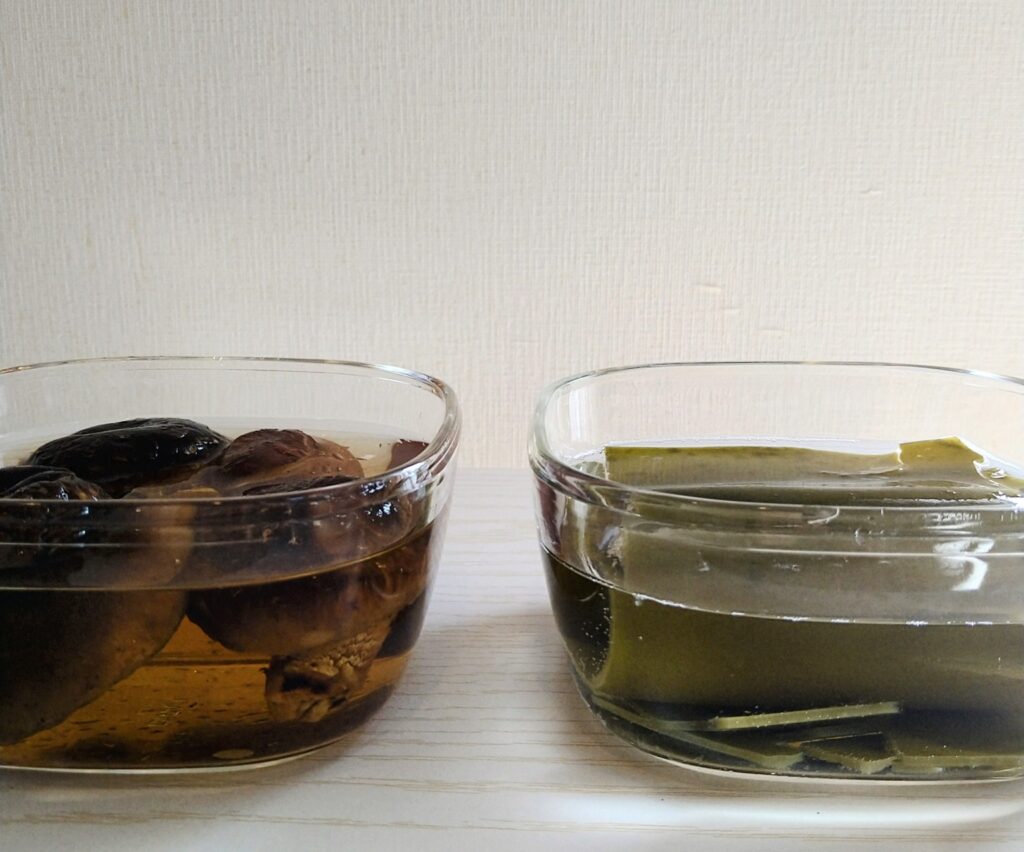
    Dried shiitake mushrooms can also be soaked in water.
    They can be used as they are,
    or gently heated for a deeper, richer broth.


    An Easier Way

    You can keep kombu or dried shiitake
    in water in the refrigerator.
    This way, dashi is always ready to use.

    Simply bring the kombu water to a light boil
    and add bonito flakes to create awase dashi.

    Adding a little shiitake broth
    makes the flavor even deeper.

    You can also freeze dashi in ice cube trays.
    Store the frozen cubes in an airtight container
    so you can use only what you need.

    Bonito-based dashi, however,
    loses its aroma over time,
    so it is best prepared fresh whenever possible.


    An Even Simpler Way

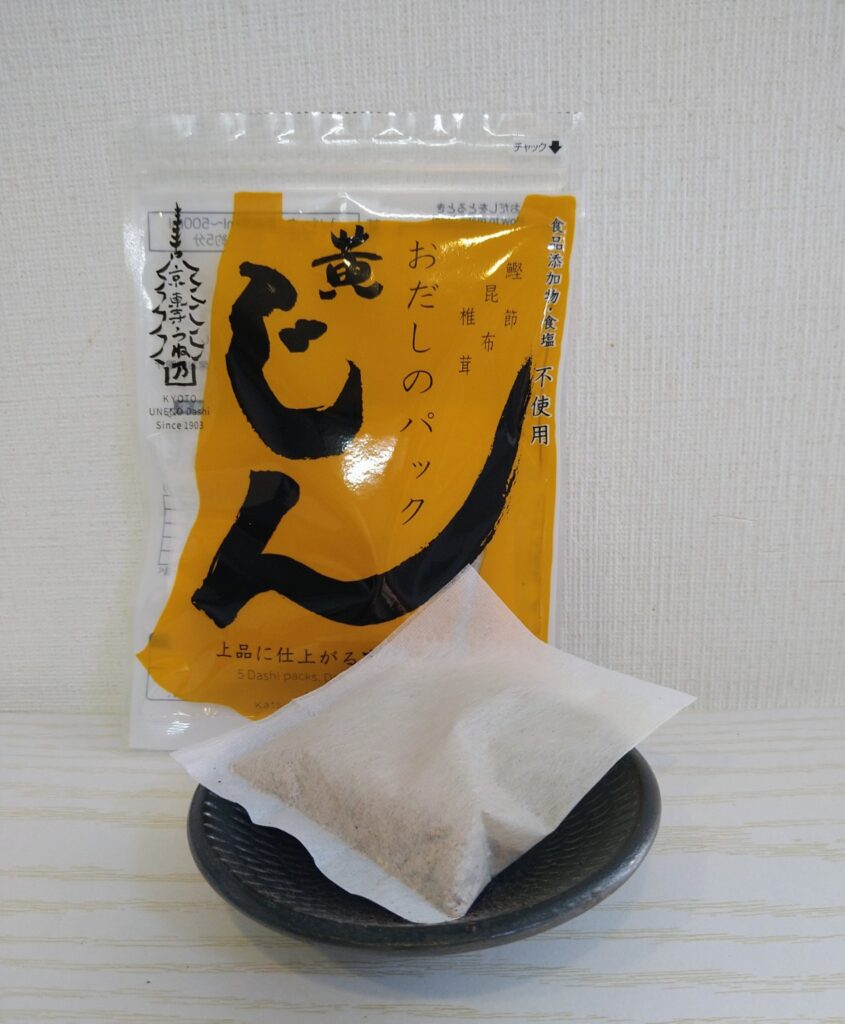
    For everyday cooking,
    dashi packets are an easy option.

    Most packets contain a blend of ingredients
    such as bonito flakes, kombu,
    and sometimes dried shiitake.
    There are also single-ingredient versions,
    and plant-based blends made without fish.


    Closing

    If you are used to stronger flavors,
    dashi may feel subtle at first.

    But after tasting it a few times,
    you begin to notice its quiet depth.

    A gentle flavor that slowly warms
    both body and mind.

    Something reassuring
    to have on the everyday table.
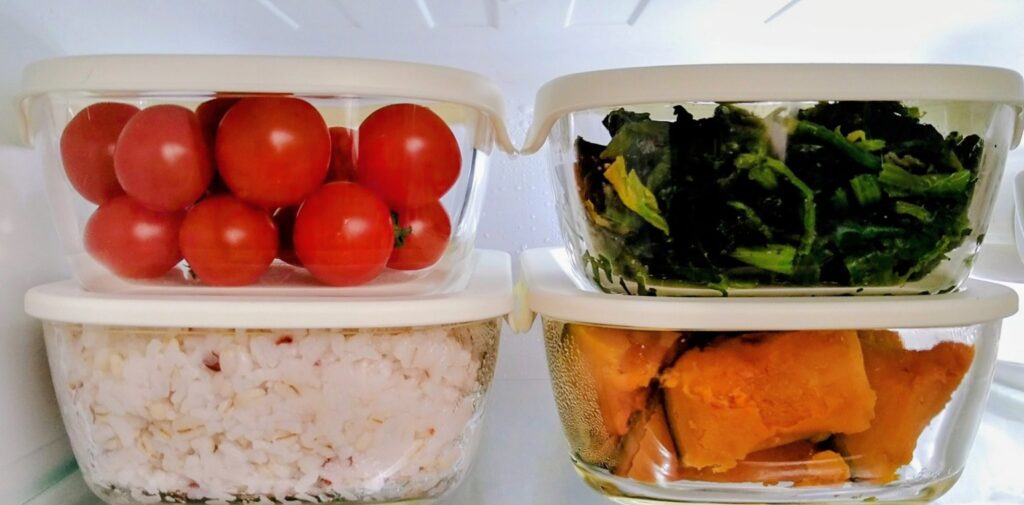
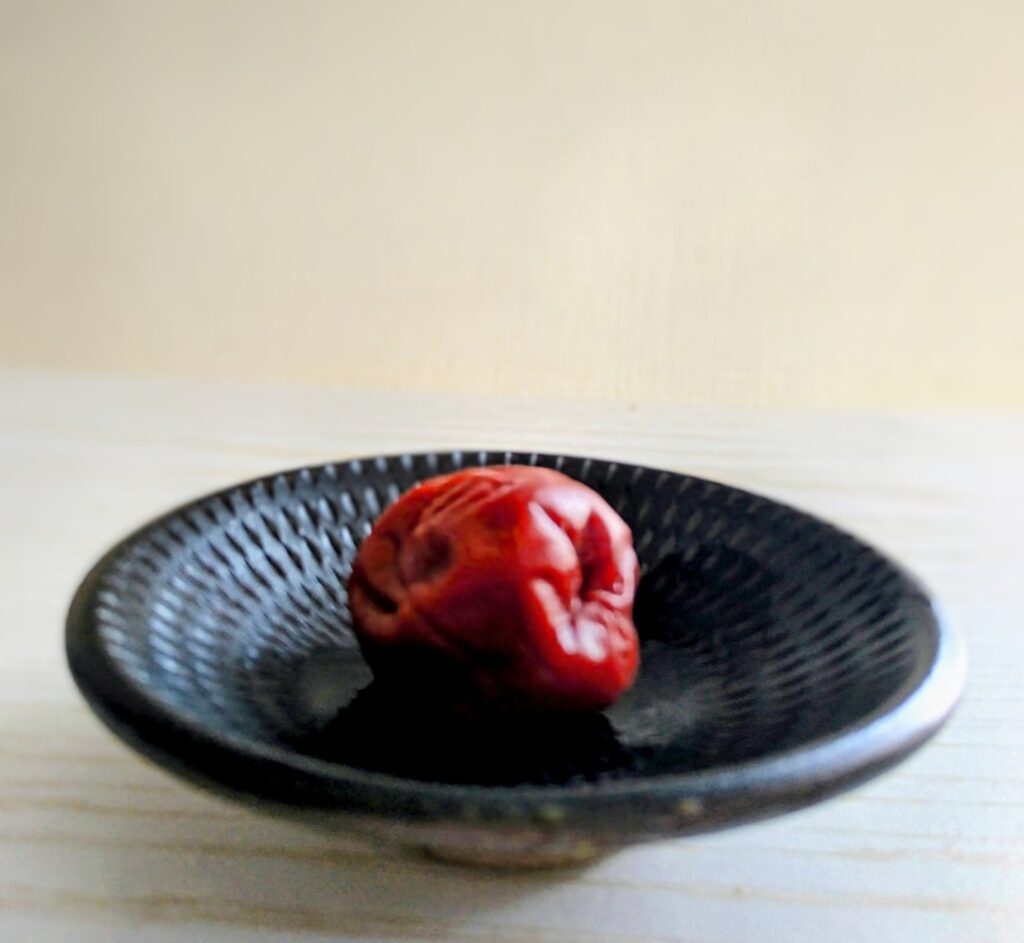
  • Umeboshi

    Salted and sun-dried ume plums,
    a traditional part of everyday Japanese meals.

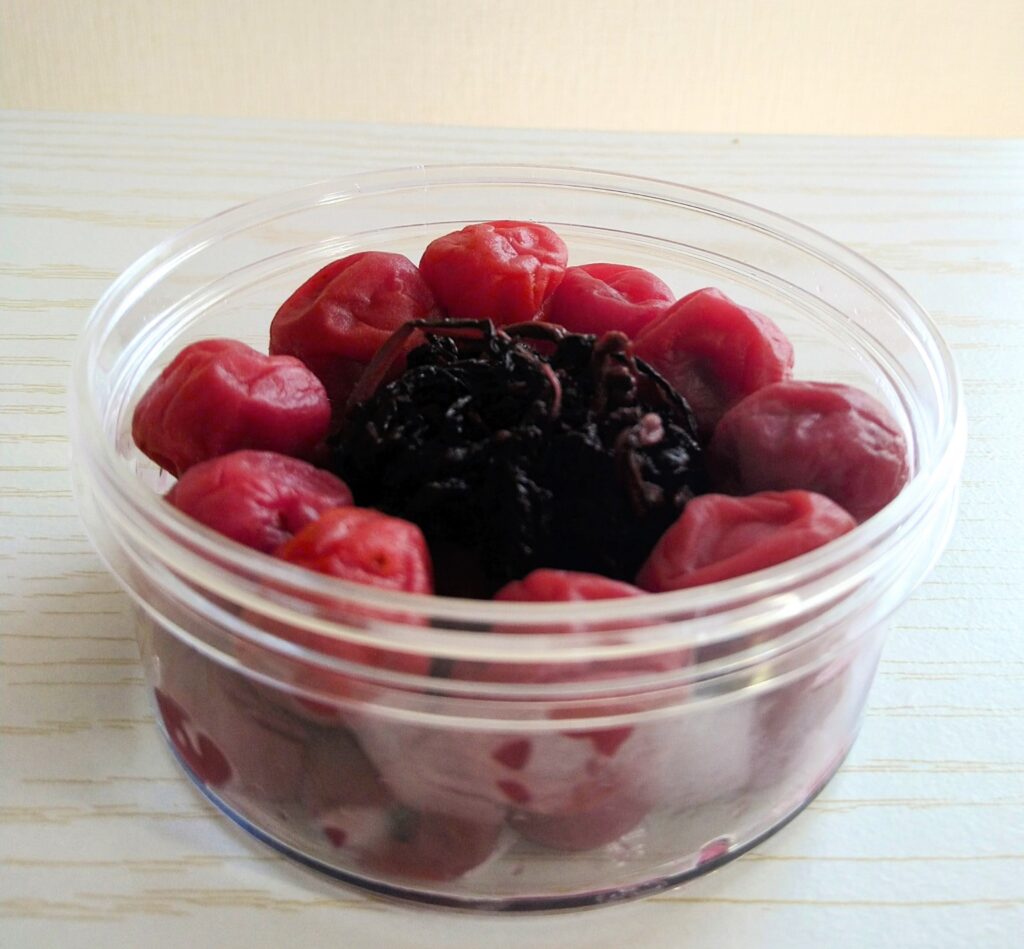
    There is always a small container of umeboshi
    in my refrigerator.

    Not a luxury item.
    Just something that has always been there.

    What They Are Like

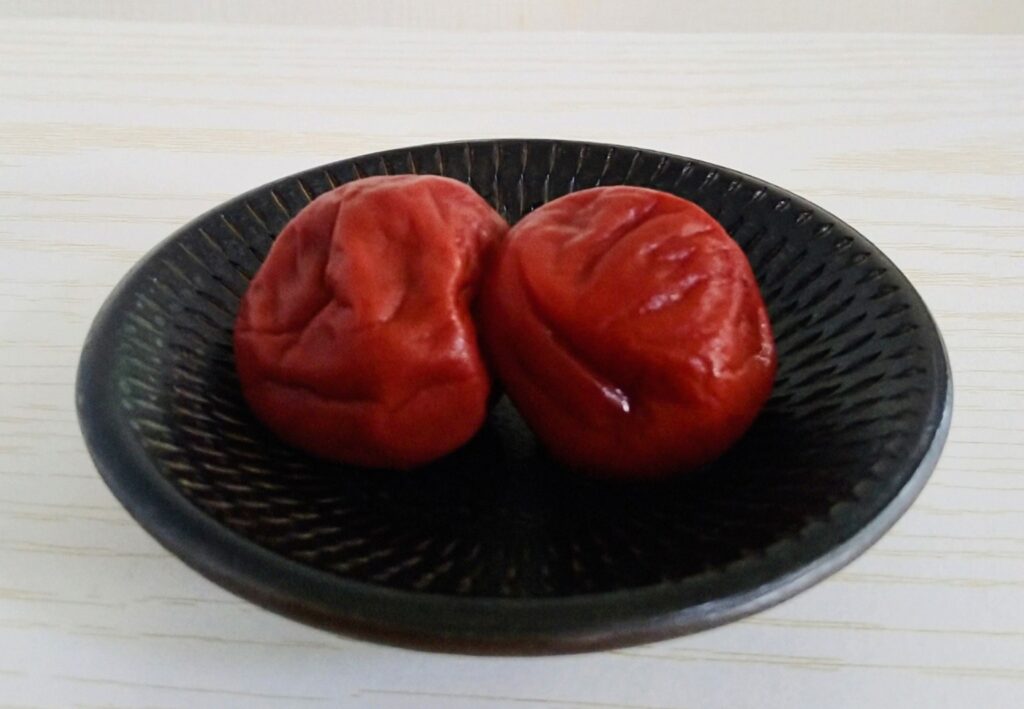
    Umeboshi are made from ume,
    salted and dried slowly in the sun.

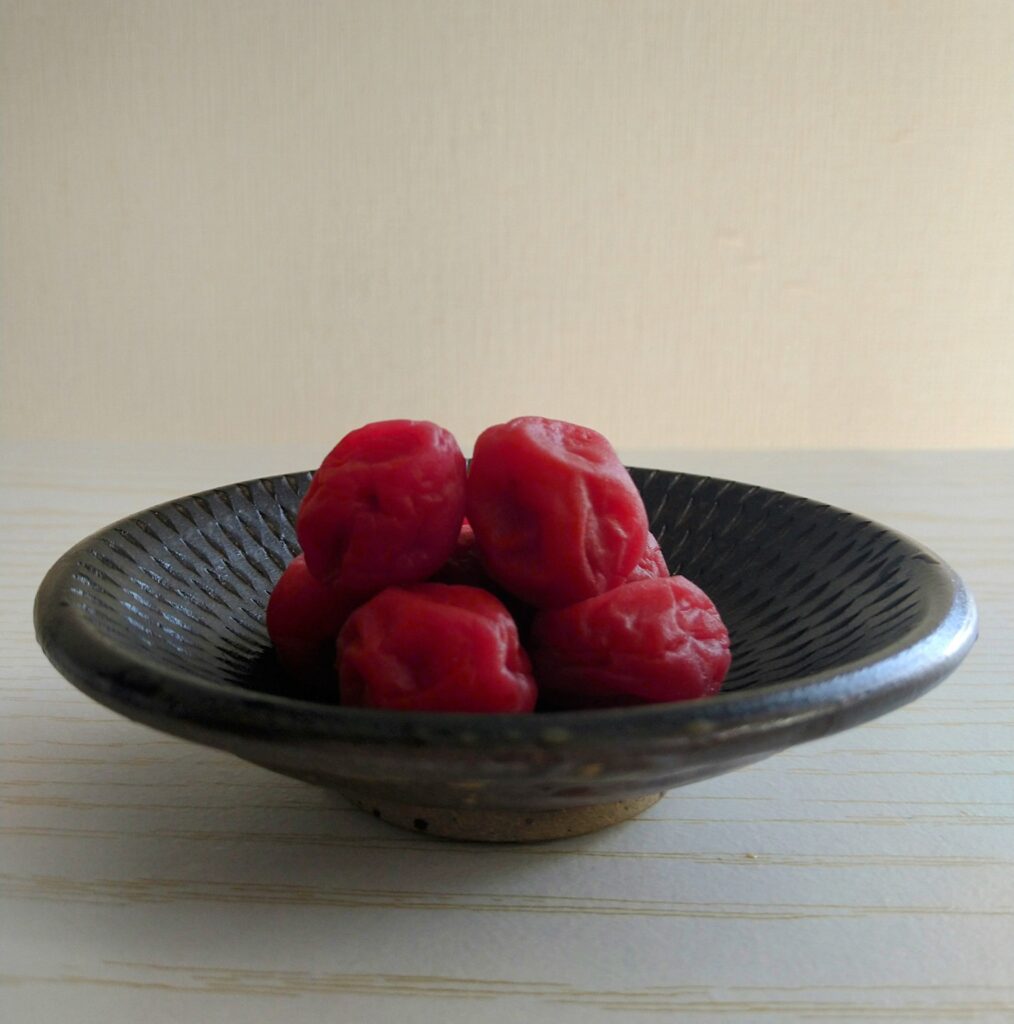
    Some are gently sweet,
    others intensely sour.

    Over time,
    you naturally find the kind you like.


    Different kinds

    Large Nanko ume are soft,
    with thick, tender flesh.

    Some are made with honey,
    milder and easier to eat.

    Smaller ume tend to be sharper,
    with textures ranging
    from firm and crisp to soft.
    Their size makes them easy to place
    into bento lunches.

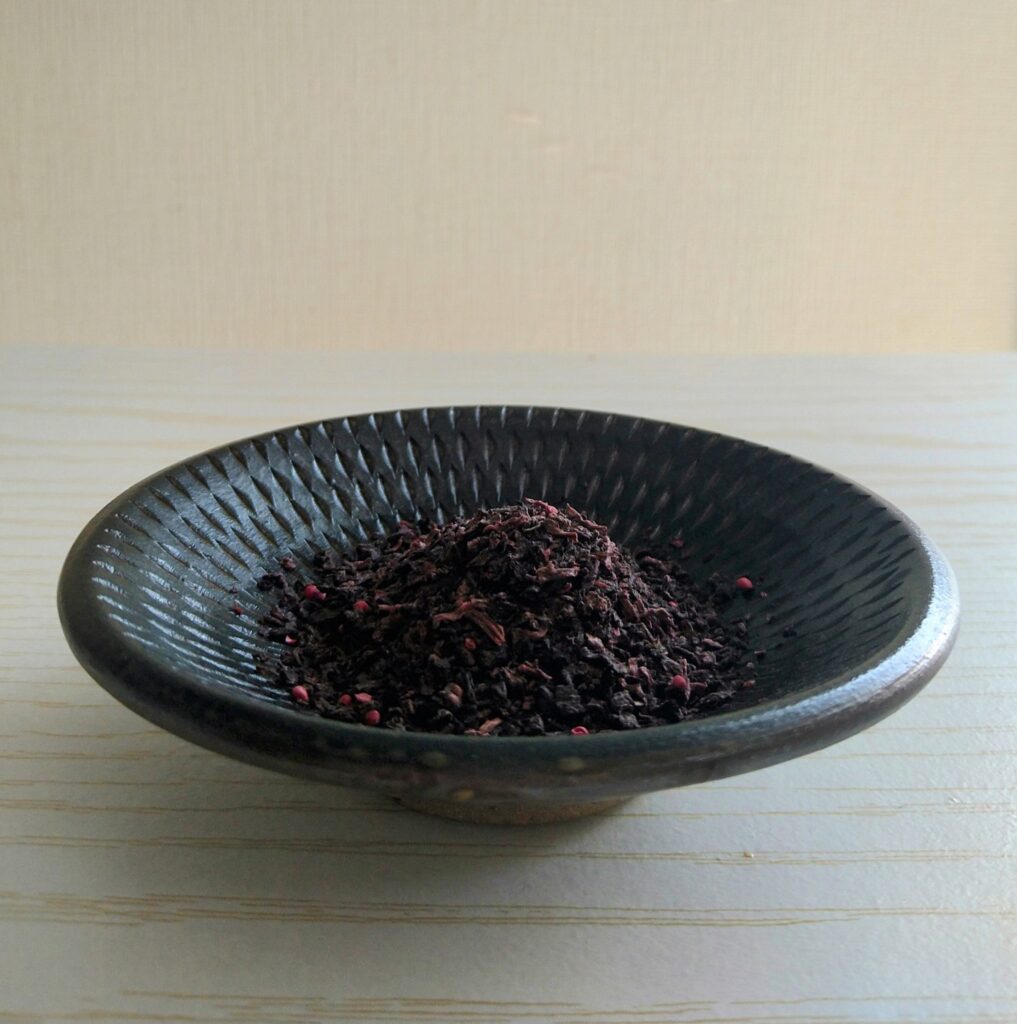
    Red shiso flakes are even simpler —
    just sprinkle them over rice
    when there isn’t much time.


    How I Use Them

    Most often,
    I place one inside onigiri
    or serve it with warm rice.

    It also works well in ochazuke,
    or finely chopped with chicken or fish.

    Sometimes I roll it inside before cooking,
    or mix it into dressings
    for a bright, sharp note.

    On hot summer days,
    or when I feel slightly tired,
    I often reach for one.

    Closing

    Sometimes the main feature,
    sometimes just a small accent.

    Not flashy.
    Just always there.

    Umeboshi has quietly remained
    on Japanese tables for generations.

  • A salt used in everyday Japanese cooking

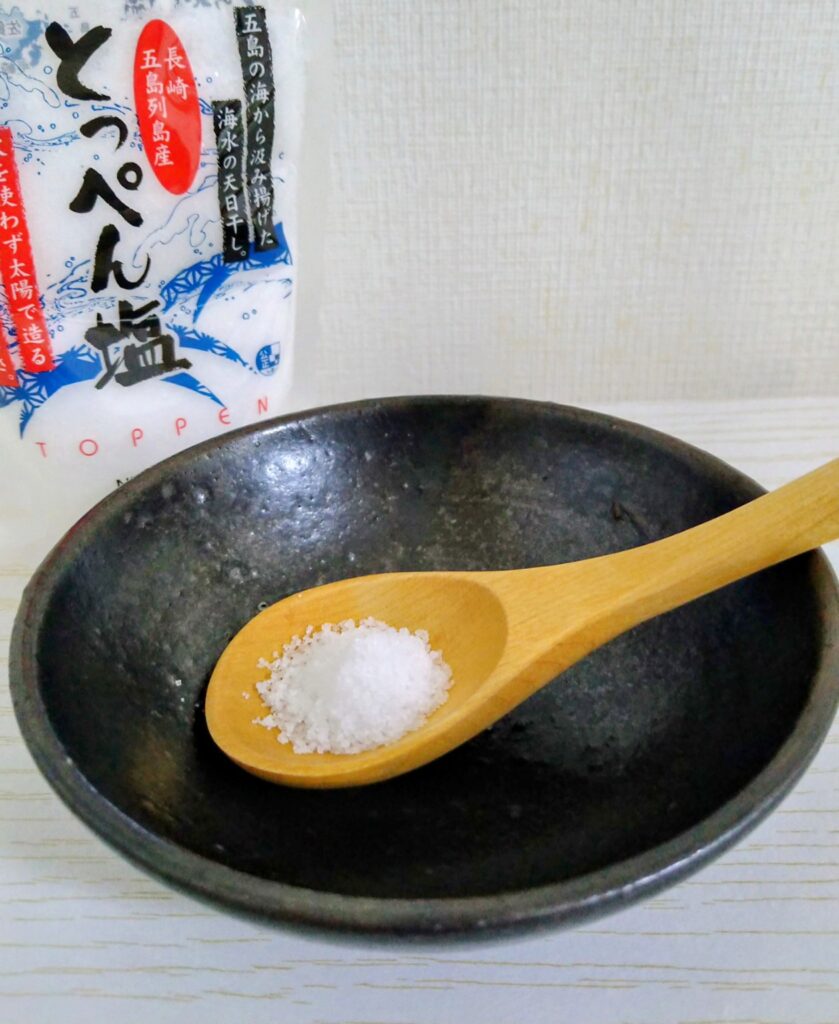
    A traditional Japanese sea salt
    made on the Goto Islands in Nagasaki.

    It is produced slowly,
    using the natural power of the sun and sea breeze,
    rather than relying on high heat or efficiency.

    Seawater is gently concentrated and dried under the open sky,
    following natural rhythms.

    The name “Toppenn” comes from a local dialect,
    meaning “the very top” —
    a quiet wish to create something truly good.


    Flavor and Character

    Rich in naturally occurring minerals,
    the taste is mild and rounded,
    without a sharp saltiness.

    Its character becomes especially clear
    in simple dishes.


    How I Use It

    In my kitchen,
    this is the salt I reach for most often.

    It works well with vegetables, fish,
    and simple preparations
    where the flavor of the ingredients matters.


    Availability

    Because it is produced in small quantities,
    it can be difficult to find.

    If you’re looking for something
    more accessible for everyday use,
    these are two alternatives worth considering.


    Nuchimasu

    A mineral-rich sea salt from Okinawa
    with a very fine, powder-like texture.

    It dissolves quickly
    and is easy to use in everyday cooking.

    → See Nuchimasu on Amazon


    Aguni Salt

    Made from seawater around a small island in Okinawa.
    It has a clean, balanced flavor
    that pairs well with everyday meals.


    Closing

    If you’re looking for a salt
    to use every day,
    this is a good place to start.

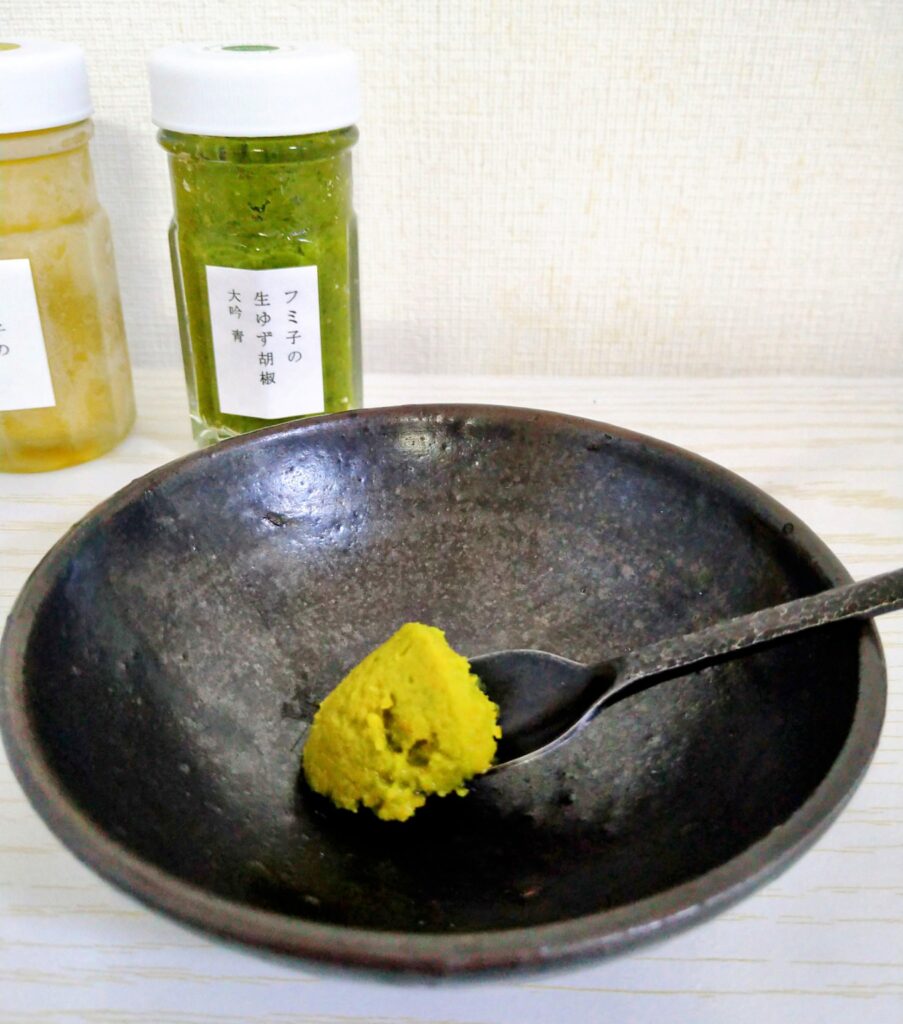
  • Fumiko Fresh Yuzu Kosho — A Traditional Japanese Condiment

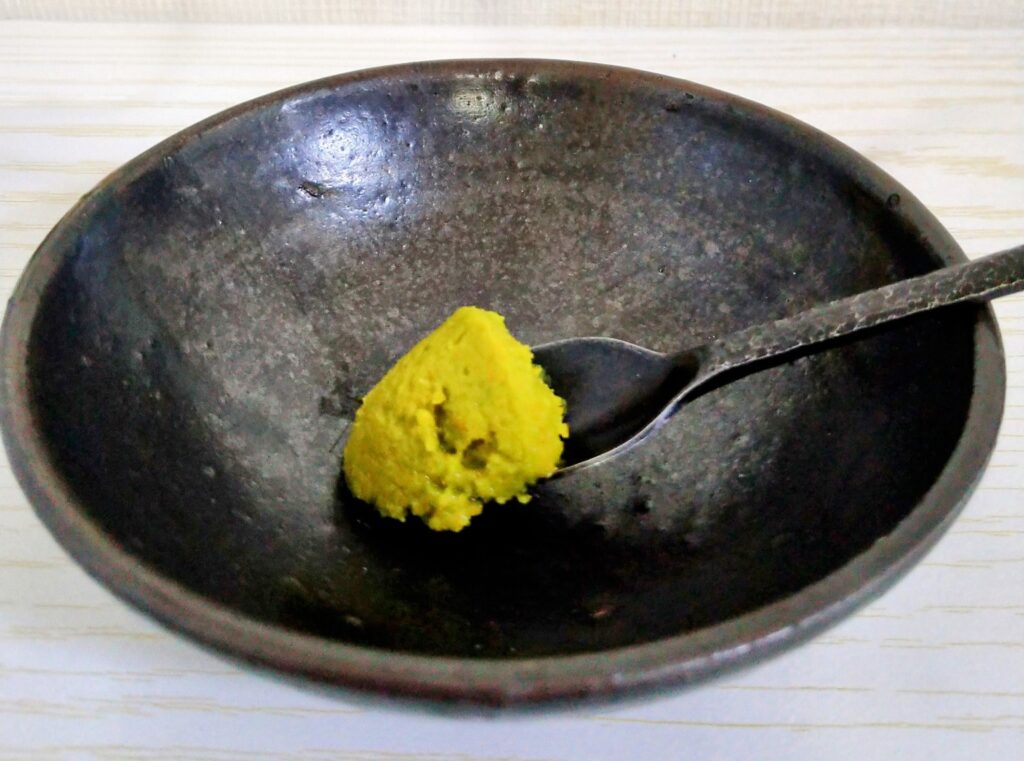
    Yuzu kosho is a traditional Japanese condiment
    made from yuzu peel, chili peppers, and salt.

    A small amount can add depth to simple dishes.


    Fumiko Fresh Yuzu Kosho

    What stands out first is its clear, fresh aroma.

    The saltiness is gentle,
    allowing the fragrance of yuzu to open naturally.

    There is no bitterness or harshness,
    and the finish is clean.

    Its bright heat adds depth
    without overpowering the dish.


    Ingredients and Process

    The yuzu and chili peppers
    are grown in Kyushu, Japan.

    Each yuzu peel is checked by hand,
    and only the outer peel —
    where the fragrance is most concentrated — is used.

    After preparation,
    it is quickly frozen
    to preserve its color and aroma.

    Even when frozen,
    it remains soft enough to scoop,
    so you can use only what you need.

    How I Use It

    It pairs well with
    simple meat or fish dishes,
    as well as noodles, soups,
    and even mild cheeses.


    Closing

    Made without additives
    and prepared with care,
    it’s something I feel comfortable
    having in my kitchen.


    Related Articles

    Salt Used in Everyday Japanese Cooking
    A simple salt that quietly supports everyday cooking.
    Read more

    The Soy Sauce in My Kitchen
    A soy sauce I use in everyday cooking.
    Read more