Blog

  • Chikazawa Lace

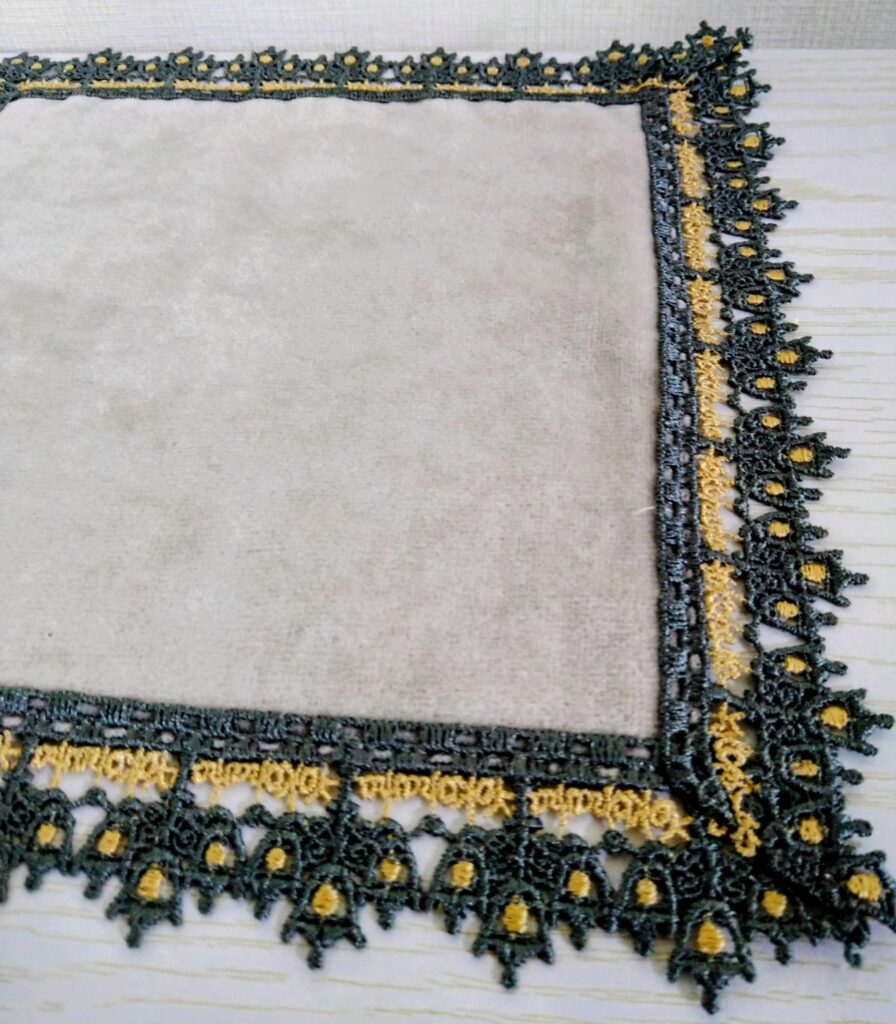
    Delicate in appearance,
    yet easy to use every day.

    Chikazawa Lace handkerchiefs are not made
    to be saved for special occasions,
    but to be carried and enjoyed
    as part of daily life.
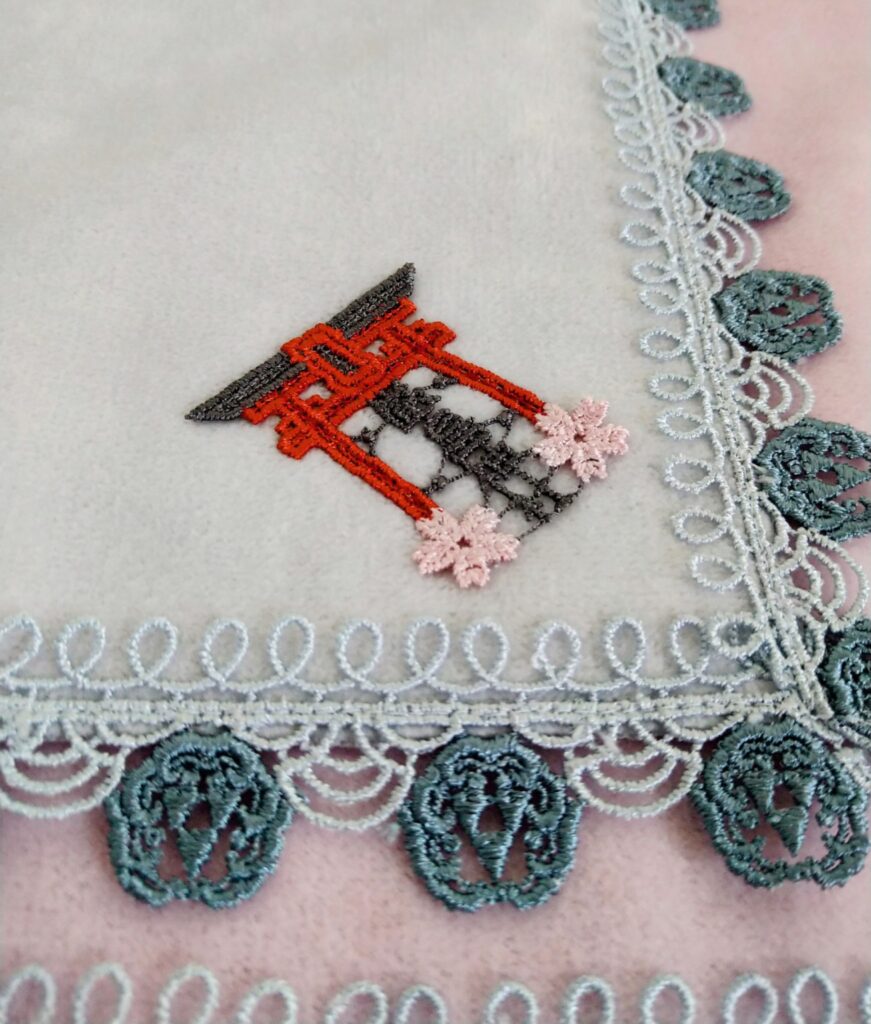
    What makes them special

    Chikazawa Lace is known for
    its playful sense of design.

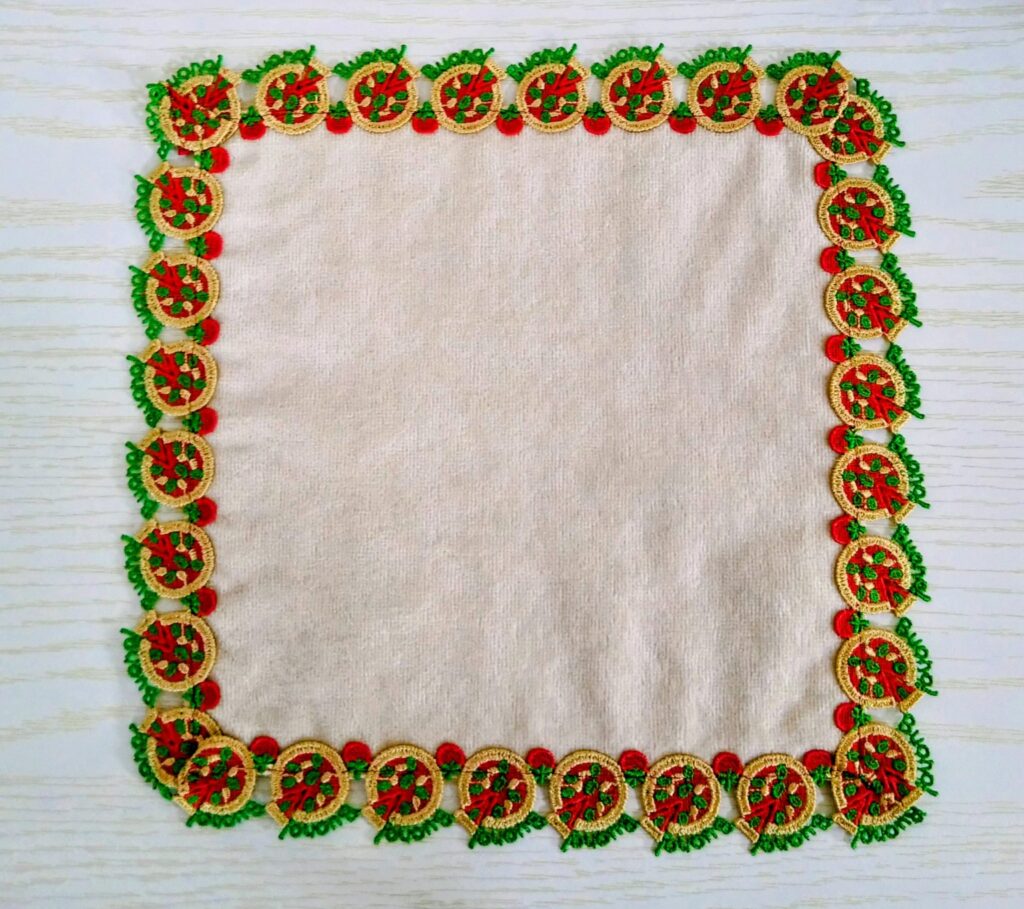
    Alongside floral and seasonal patterns,
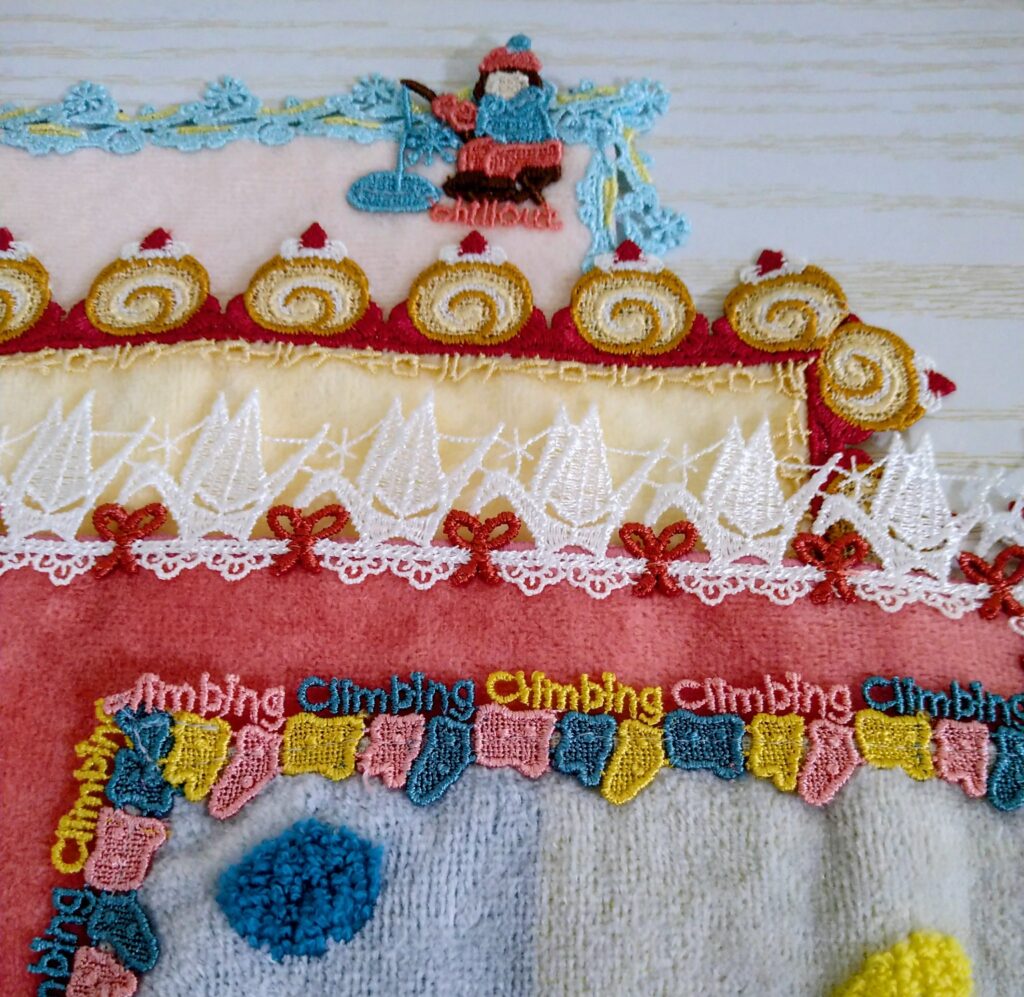
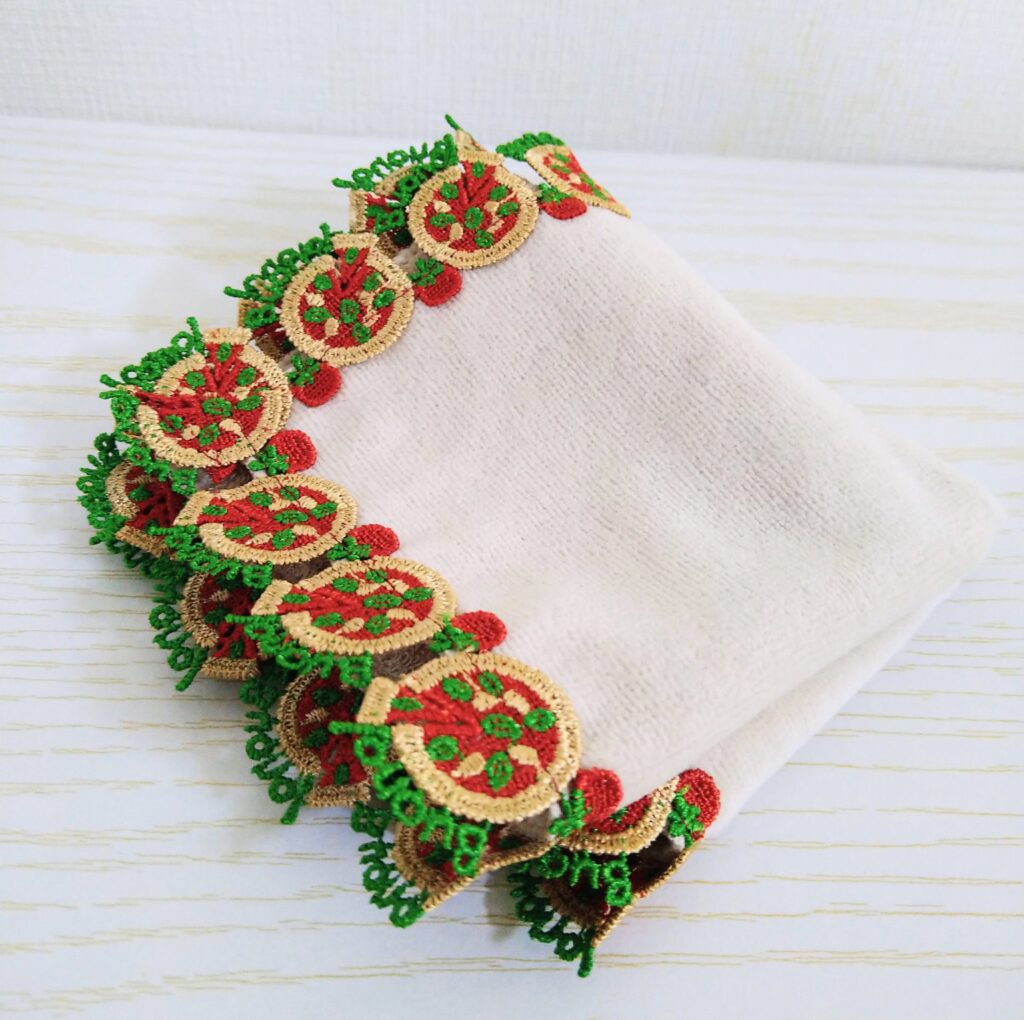
    you’ll often find unexpected motifs —
    food, words, and small touches of humor
    that gently catch your eye.

    New designs are released regularly,
    and many people look forward
    to discovering what comes next.

    Approachable in price
    and easy to choose,
    they work beautifully
    as a small gift
    or something to enjoy for yourself.
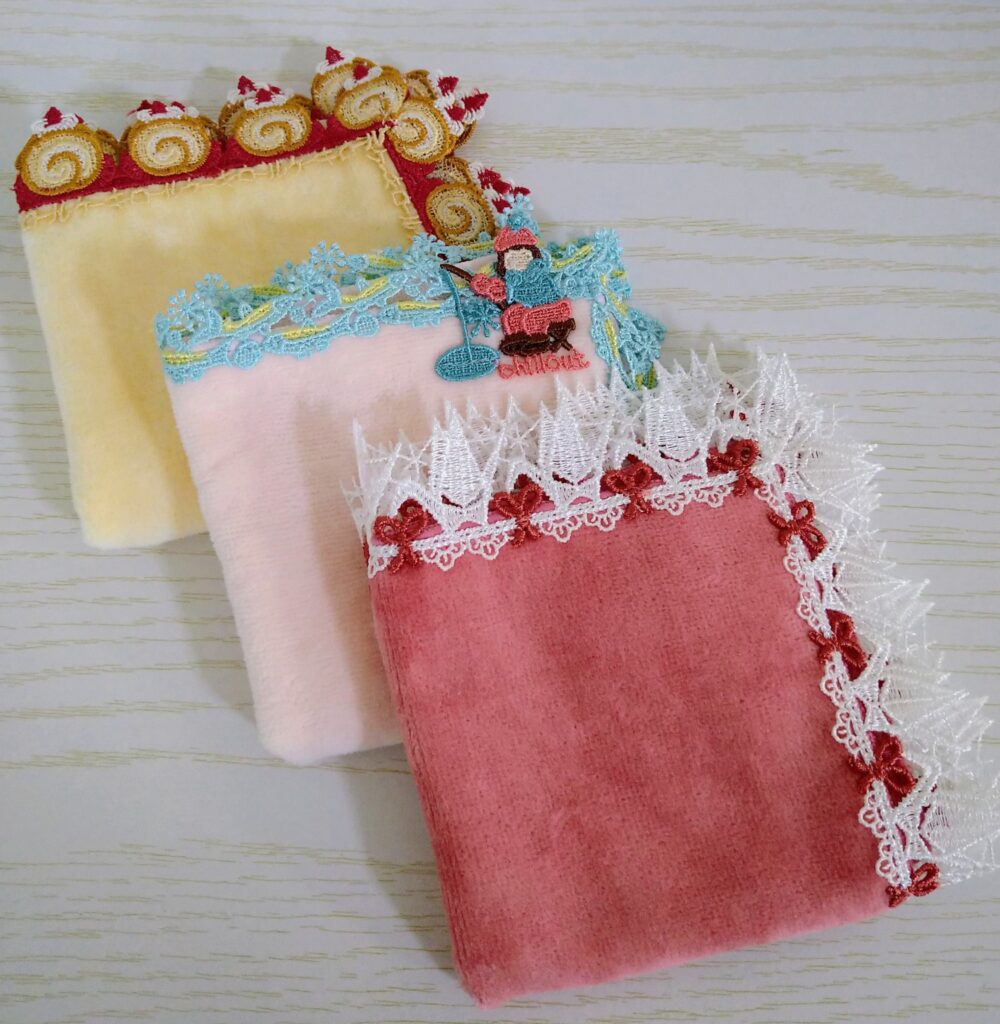
    Why it has been loved for so long

    Founded in 1901 in Motomachi, Yokohama,
    Chikazawa Lace has long been known
    for its craftsmanship.

    What keeps people returning
    is the balance between tradition and play —
    a brand grounded in solid technique
    while continuing to explore new expressions.
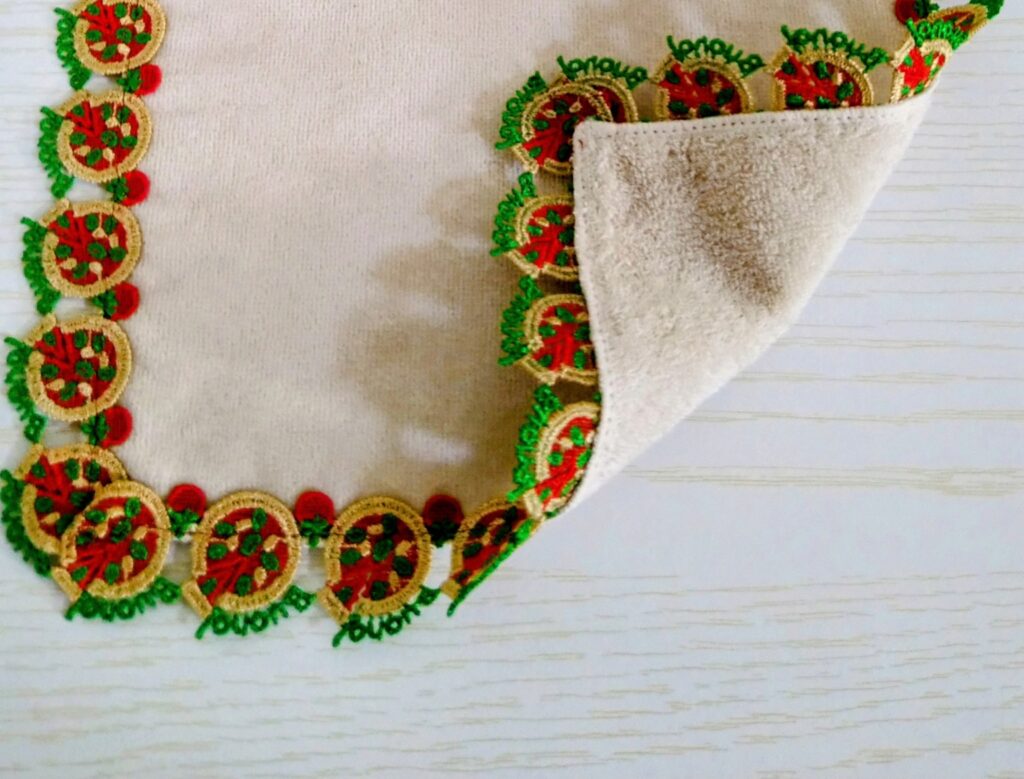
    This is what drew GOODFINDS to Chikazawa Lace —
    a quiet kind of beauty
    that slips easily into daily life.
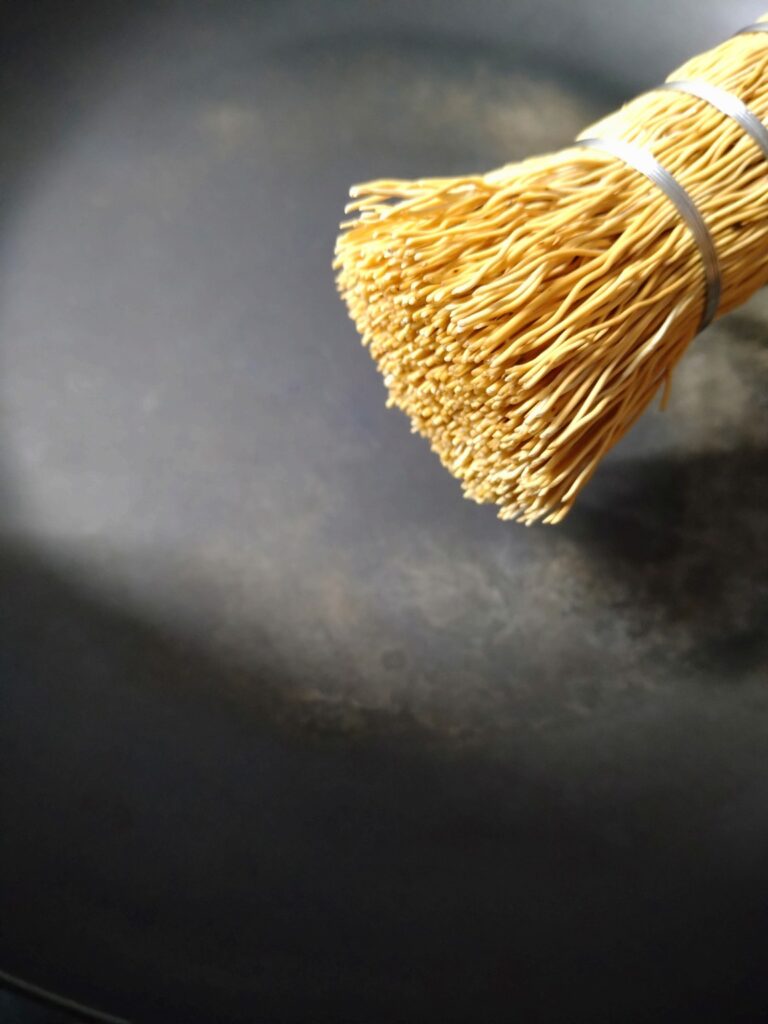
  • Karukaya: A Simple Brush for Cast Iron

    A traditional brush used in everyday Japanese kitchens.

    This small, quiet tool
    has long been used in Japanese kitchens.

    Made from natural plant fibers,
    it’s especially suited for cleaning cast iron.

    Nothing fancy.
    Just something that works.


    What is a Karukaya brush?

    A karukaya brush is made from the roots of a grass plant
    and shaped into a slim, stick-like scrubber.

    Because the fibers don’t absorb oil,
    it removes residue without stripping the seasoning too aggressively.

    It also dries quickly after use,
    making it clean and easy to handle.


    Made for everyday use

    As the brush wears down,
    the binding can be removed
    so it can be used for longer.

    Two sizes are available,
    both comfortable to hold
    even for smaller hands.

    The fibers are firm,
    so gentle pressure is enough.

    Often paired with cast iron pans
    such as River Light.


    Key details

    Made in Japan
    100% natural plant fibers
    Dries quickly after use
    Slim shape keeps hands clean


    CTA

    If you care for cast iron regularly,
    a simple brush like this makes a difference.

    This is the one I use in my own kitchen.

  • River Light KIWAME Iron frying pan review

    Made for everyday cooking in real kitchens.

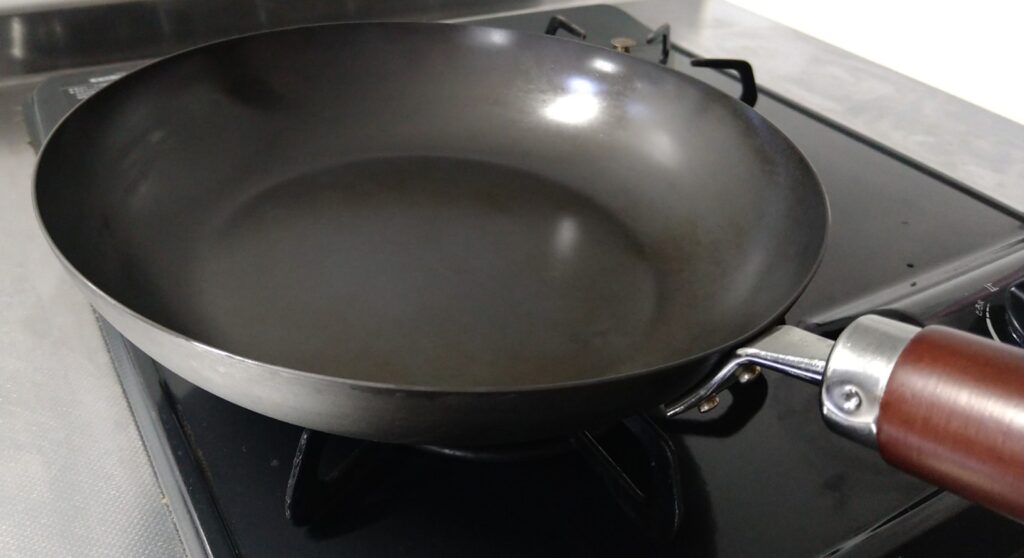
    A Japanese iron frying pan
    designed to be durable, practical, and easy to maintain.


    Why I Chose It

    For a long time, I used non-stick pans.
    They were easy and required little attention.

    But over time,
    I began thinking more about what I use every day —
    especially something that comes into direct contact with food.

    I wanted something more reliable
    and made to last.

    That’s why I chose River Light’s KIWAME series.


    What Makes It Different

    The pan is treated with a special heat process
    that makes it resistant to rust,
    without using any anti-rust coatings.

    Unlike many traditional iron pans,
    there’s no need for initial seasoning.

    With regular use,
    oil gradually settles into the surface,
    making it easier to use over time.


    Cooking Experience

    What convinced me most
    was how the food turns out.

    Vegetables brown more deeply,
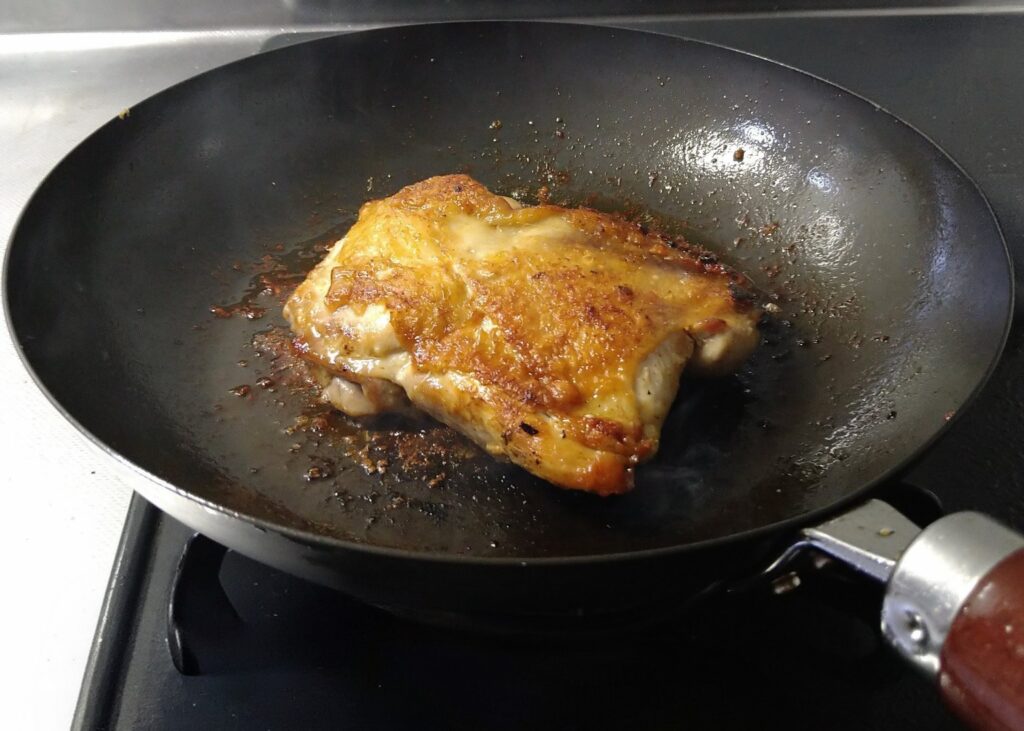
    and chicken develops a crisp surface
    while staying juicy inside.

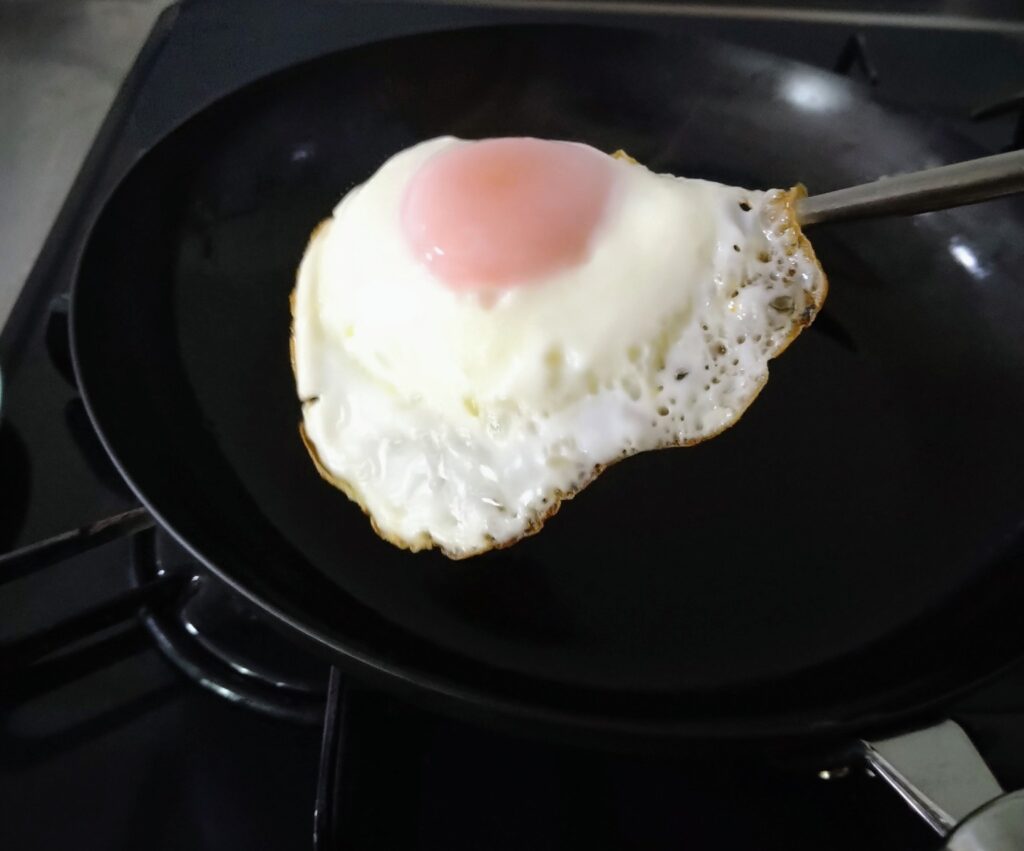
    Even something as simple as a fried egg
    comes out cleanly, without sticking,
    once the pan is properly heated.

    Slid right off

    How It Feels to Use

    It’s not as effortless as a non-stick pan.

    It requires a bit of attention —
    heating it properly
    and learning its rhythm.

    But once you get used to it,
    that small effort becomes part of everyday cooking,
    and the pan becomes something you trust.


    Practical Details

    • Wooden handle stays comfortable and doesn’t heat easily
    • Works with both gas and induction stoves
    • Replacement parts are available
    • Designed to be used long-term, not replaced

    Closing

    Not flashy.
    Not effortless.

    Just something I choose
    because I trust it in my kitchen.

    Read: A cast iron pan used in Japanese kitchens

    See: RIVER LIGHT iron frying pan

  • Why I Cook with a Cast Iron Pan

    Crispy, juicy chicken — cooked in a cast iron pan.

    Vegetables, eggs, chicken, simple stir-fries —
    a cast iron pan is often what I reach for
    when cooking without thinking too much.


    A cast iron pan (or skillet)
    handles and retains heat well.

    Even after adding ingredients,
    the pan stays hot,
    so food browns evenly.

    Vegetables stay crisp,
    eggs stay tender,
    and chicken develops a crisp surface
    while staying juicy inside.

    This difference is especially noticeable
    in simple dishes.


    Cooking with cast iron
    takes a little getting used to.

    If the pan isn’t heated properly,
    food can stick —
    especially eggs.

    If you’re curious why this happens,
    I explain it in more detail here:

    Why Food Sticks to Cast Iron — and How to Prevent It


    With regular use,
    a natural layer of oil develops on the surface,
    making it easier to cook with over time.

    If food sticks,
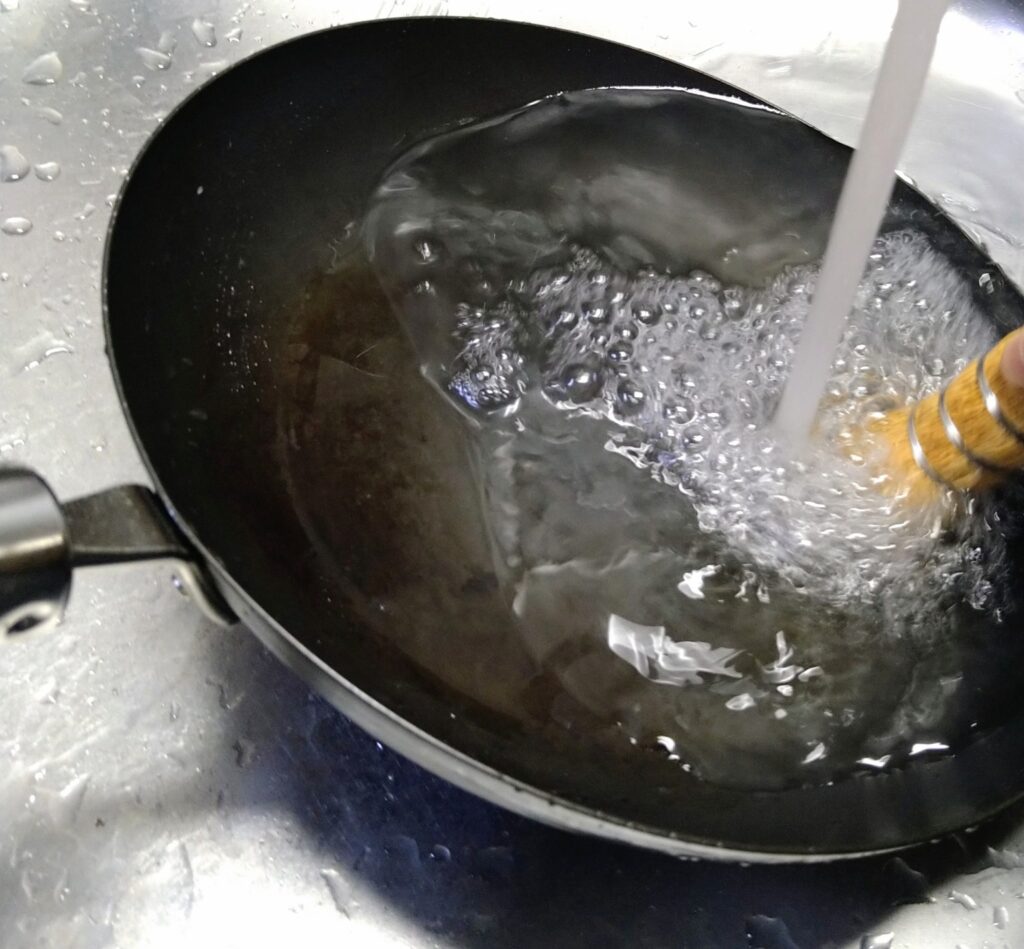
    wash the pan with water
    and scrub it with a tawashi.

    Just water and a karkaya brush — nothing else.

    Cast iron pans have no chemical coatings,
    so there’s nothing to wear off.

    Unlike non-stick cookware,
    they rarely need replacing.

    It’s something you keep.


    Among the cast iron pans I’ve used,
    the one I reach for most often
    is made by River Light in Japan.

    It’s from the Kiwame series,
    designed to be rust-resistant
    and easy to maintain.


    You can read my full review here:
    River Light iron frying pan

    View the River Light iron frying pan on Amazon.