In summer, I often reach for glass chopstick rests — they feel light and quietly cool on the table. But this year, I’ve been using these small uchiwa-shaped ones instead.
Design and Details
Made by Ihoshiro Kiln in Gifu Prefecture, each piece carries a traditional Japanese pattern — asanoha (hemp leaf), soft swirls, and shippo (linked circles). Each is shaped and painted by hand, so the details vary slightly from piece to piece.
The wider surface of the fan shape makes them easy to use, and even in pottery, they carry a quiet coolness that feels right for the season.
Colors
I chose a blue tone, which feels especially fitting for summer. Other designs include soft florals like cherry blossom and peach, which would suit spring as well.
On the Table
Rooted in traditional Japanese patterns, they also sit comfortably alongside Western tableware — a small seasonal detail that works quietly in the background.
Who These Are For
A good fit for anyone who enjoys bringing seasonal touches to the table, anyone drawn to traditional Japanese patterns in everyday objects, or anyone looking for a summer gift with a quiet sense of craft.
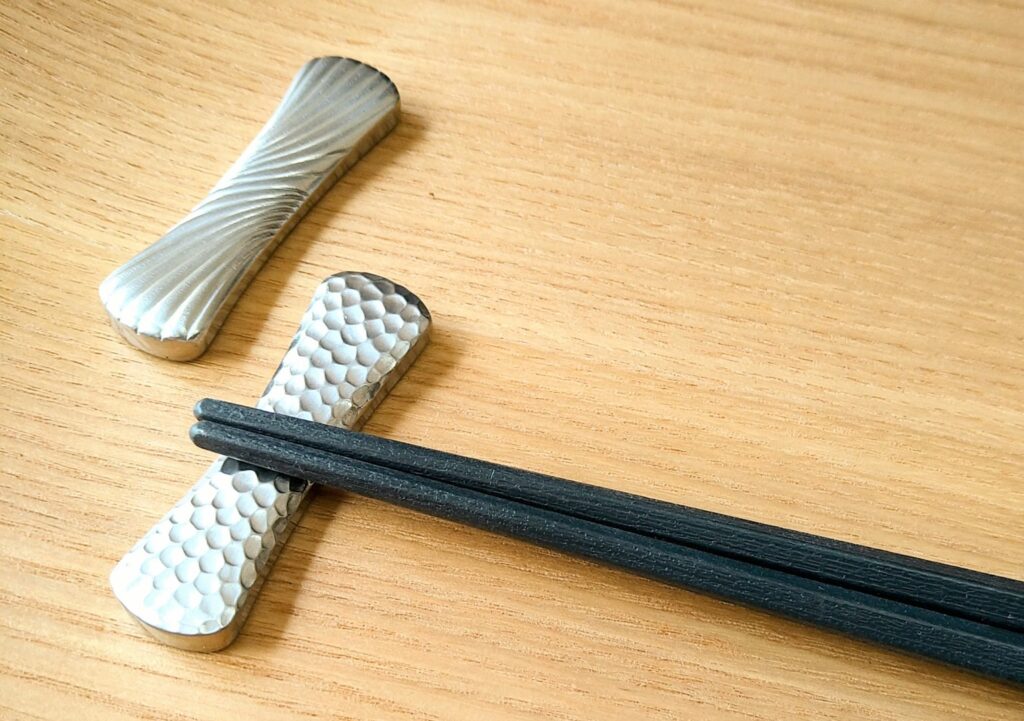
Stainless steel chopstick rests are durable and easy to wash — practical for everyday use in a way that ceramic ones sometimes aren’t.
These are made by Nagao, a manufacturer based in Tsubame-Sanjo, Niigata, a region that produces around 90 percent of Japan’s metal tableware.
Design and Feel
The matte stainless steel and simple shape give them a calm, understated look. They have a bit of weight, so they stay stable on the table without shifting around. The hammered finish adds a quiet texture without drawing attention to itself, and they blend naturally into the table whatever else is on it.
Who These Are For
A good fit for anyone looking for a chopstick rest they can use every day without thinking about it, anyone who prefers the practicality of metal over ceramic, or anyone looking for a simple, well-made Japanese kitchen item as a gift.
Chopstick rests keep chopsticks from touching the table directly and stop them from rolling away. A simple job — but they have a quiet way of changing the whole mood of a meal.
They’re small and affordable, but put one down and the whole mood shifts. Ridiculous value. You set your chopsticks down throughout the meal, so you’re looking at them the whole time. A polar bear, an acorn, whatever it is — it just sits there and somehow makes everything better.
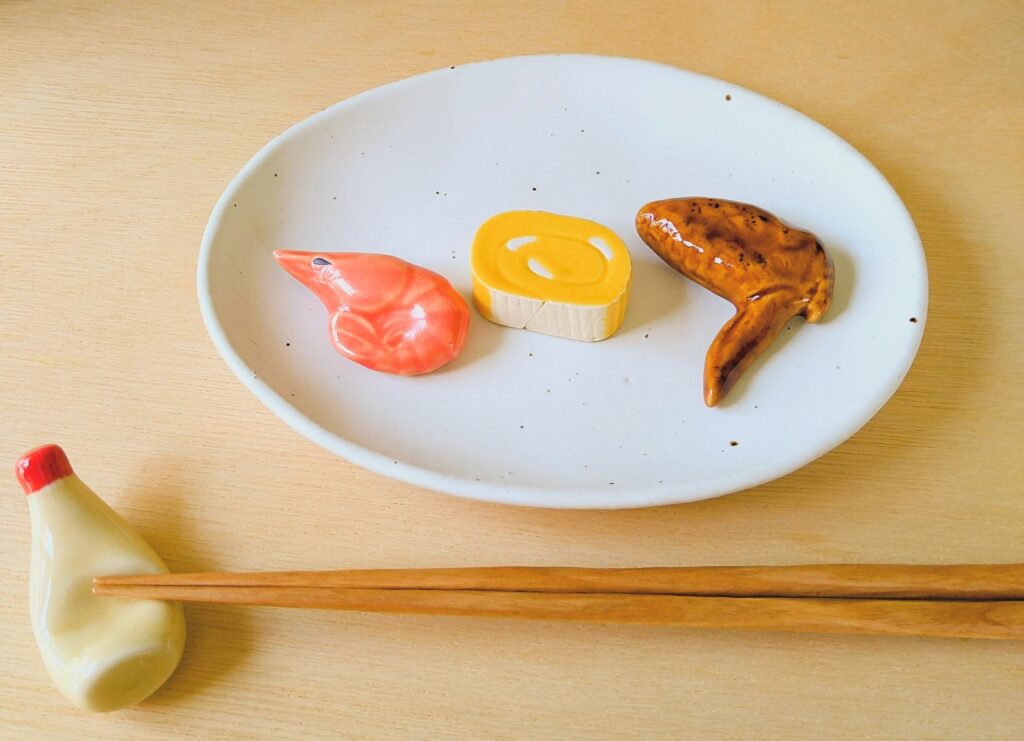
Some are even cuter as a set. Takoyaki and the spatula that flips it. A capybara on a skateboard. Mayonnaise on a skateboard. No idea why it works, but it does.
Matching them to the food and tableware is its own game. Soba tonight? Better get the wasabi rest out. And when guests come, picking one that suits the person is half the fun.
And here’s the thing: they look like miniature objects you’d display on a shelf — and you can — but they’re also completely practical. Sturdy, affordable, and impossible to regret buying. An airtight excuse to keep collecting.
Animal Shapes
The kind of warmth that makes a table feel a little friendlier. The bird is small and easy to use — the reliable one of the group. The cat looks like it’s having a great time and doesn’t care who knows it. The polar bear and capybara just sit there, unbothered, at their own pace. Somehow that’s the most soothing thing.
Something about them is just off in the best way. A chicken wing. A coffee bean. A mackerel. Mayonnaise. They’re completely sincere — but they’re absolutely coming for you. Can’t rank them, and this category has a habit of growing on its own.
Not my everyday pick — I’m drawn to the fun and chaotic ones. But for those who prefer understated elegance, these are the perfect fit. And when guests come and it feels like maybe now’s not the time to put a skateboarding capybara on the table, these are the ones that come out. 😄
Mostly a summer thing. I pair them with glass tableware, and they just fit — the light catches them, everything feels cooler. Tableware air conditioning.
Good for the in-between seasons. When spring feels far away, putting out a pale camellia helps. Acorns are for autumn. These also travel well as gifts — animals and food shapes can be hit or miss depending on the person, but botanicals are a safe bet. Important detail.
The basic idea is simple: rest your chopsticks on them during a meal. But the longer ones double as cutlery rests too — forks, knives, spoons all work. They show up at snack time as well. A small fork resting on a chopstick rest next to a slice of cake makes the whole thing feel a little more considered.
Match them to the food, the table, the people around it.
And on slow days — line them up, load them up, and just appreciate them.
Closing
Using them is of course a joy. But choosing which one to use — that might be the best part.
On busy days there’s no time for any of it. A day when you can pause and pick a chopstick rest is a peaceful, unhurried day.
And then you notice: one is never enough.
Before you know it, you have more. That’s the rabbit hole. That’s exactly what it is.
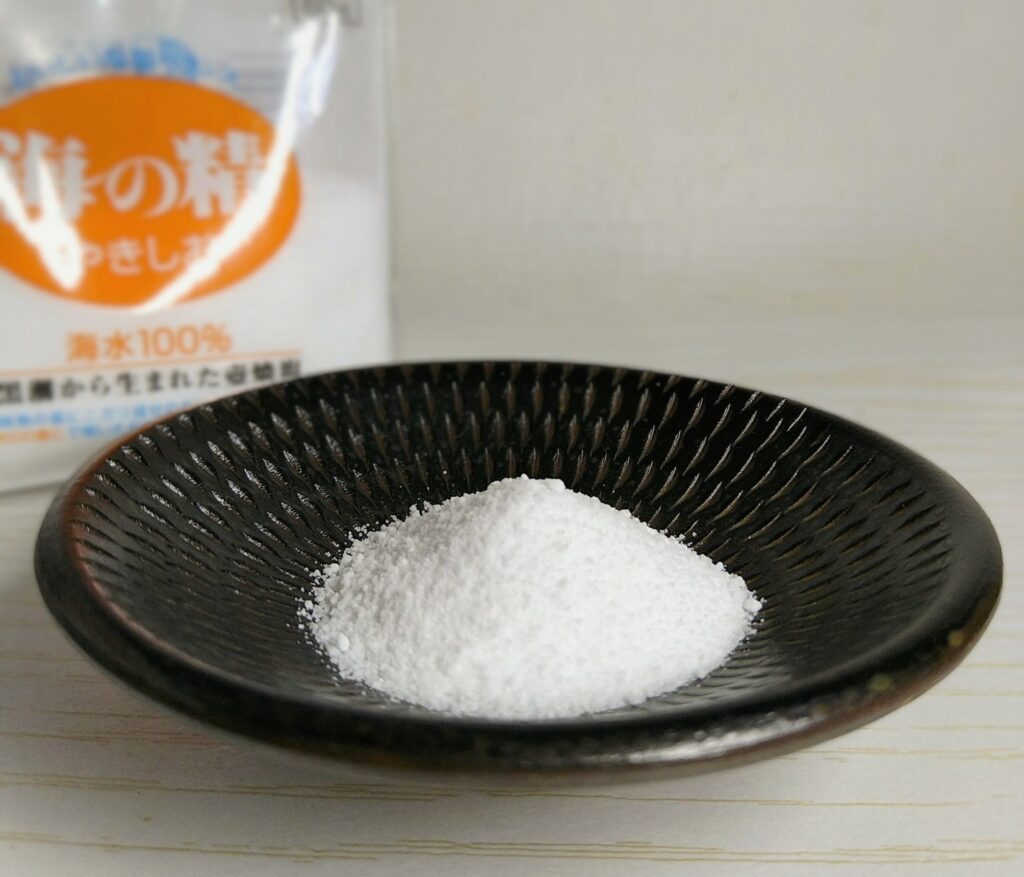
Umi no Sei is a Japanese sea salt known for its mineral-rich content and traditional production methods. It is often used in macrobiotic cooking, where unrefined natural salts are preferred.
This time, I tried the yakishio variety for the first time.
How It’s Made
Made using only seawater from around Izu Oshima, the brine is first concentrated using a net-flow salt bed powered by sun and wind, then crystallized in flat kettles. The resulting salt is fired at high heat to create yakishio — a dry, free-flowing roasted salt.
Flavor and Character
The grains are fine and dry, making it easy to sprinkle evenly. It feels light and smooth when picked up with your fingers.
The saltiness is direct, with a clear, defined taste.
How I Use It
I found it better suited for seasoning during cooking — where it has time to blend into the ingredients — rather than as a finishing salt sprinkled at the table.
When used as a base seasoning for meat or fish, it helps the flavor settle in clearly without adding extra character, bringing out the natural taste of the ingredients.
When I started cooking with a cast iron pan, I wasn’t sure which turner to use.
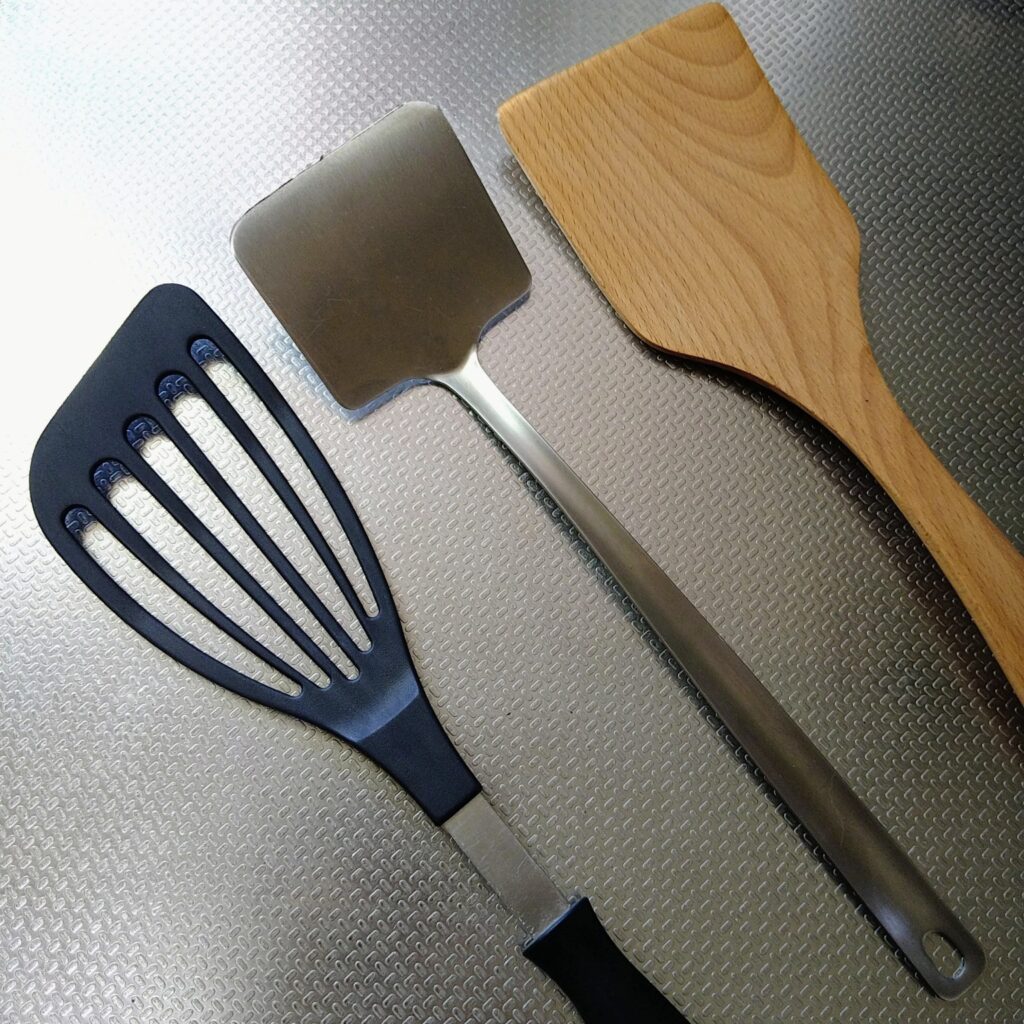
Wood felt too thick. Silicone would bend. Stainless steel might scratch the pan. Each seemed to have its drawbacks.
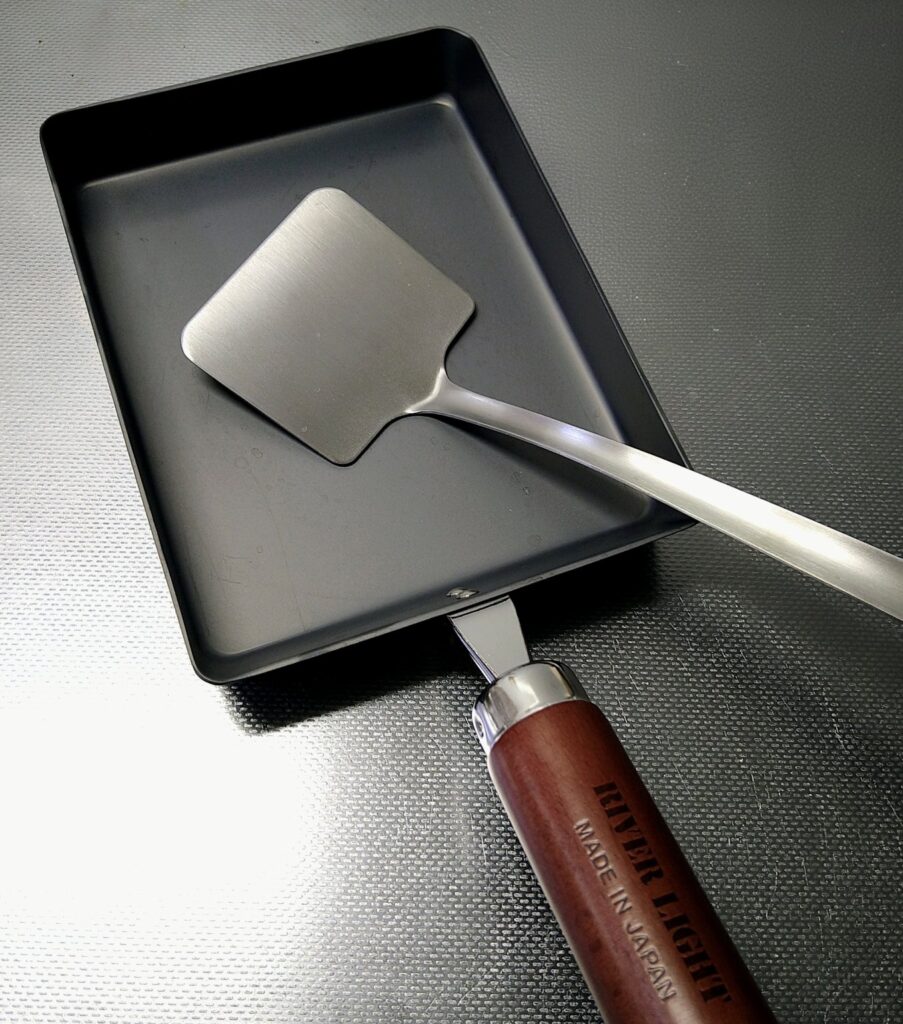
After some hesitation, I went with stainless steel. It turned out to be the right call.
Wood Turner
Wooden turners feel gentle on the pan surface and are unlikely to cause scratches.
Over time, though, they tend to absorb oil and moisture, which can lead to lingering smells or stains. With continued use, the edge rounds off, making it harder to slide under food.
Silicone Turner
Silicone tools don’t scratch the surface and are easy to clean.
They’re heat-resistant, so melting isn’t a concern — but with continued use, the edge loses its sharpness, making it harder to slide under food cleanly. When trying to lift heavier food or scrape something stuck to the pan, the flexibility works against you — it bends when you need it to hold firm.
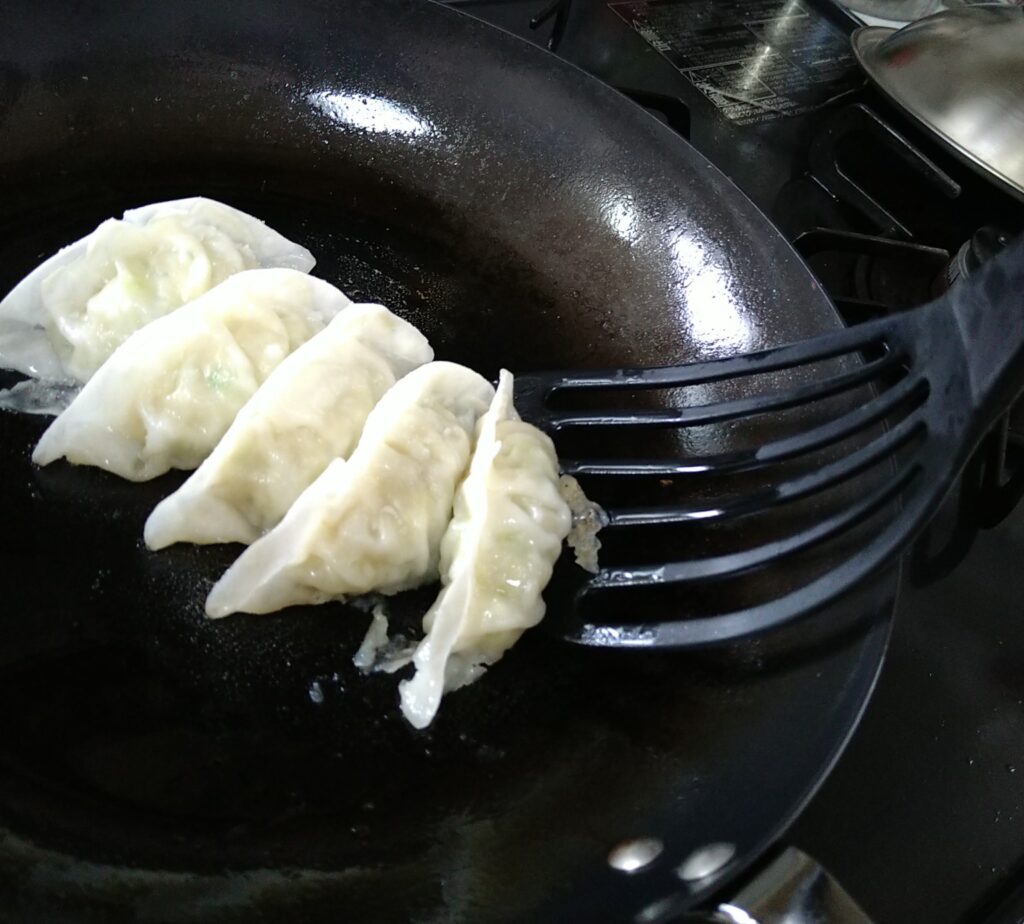
The silicone turner bends — and won’t slide under the gyoza.
Stainless Steel
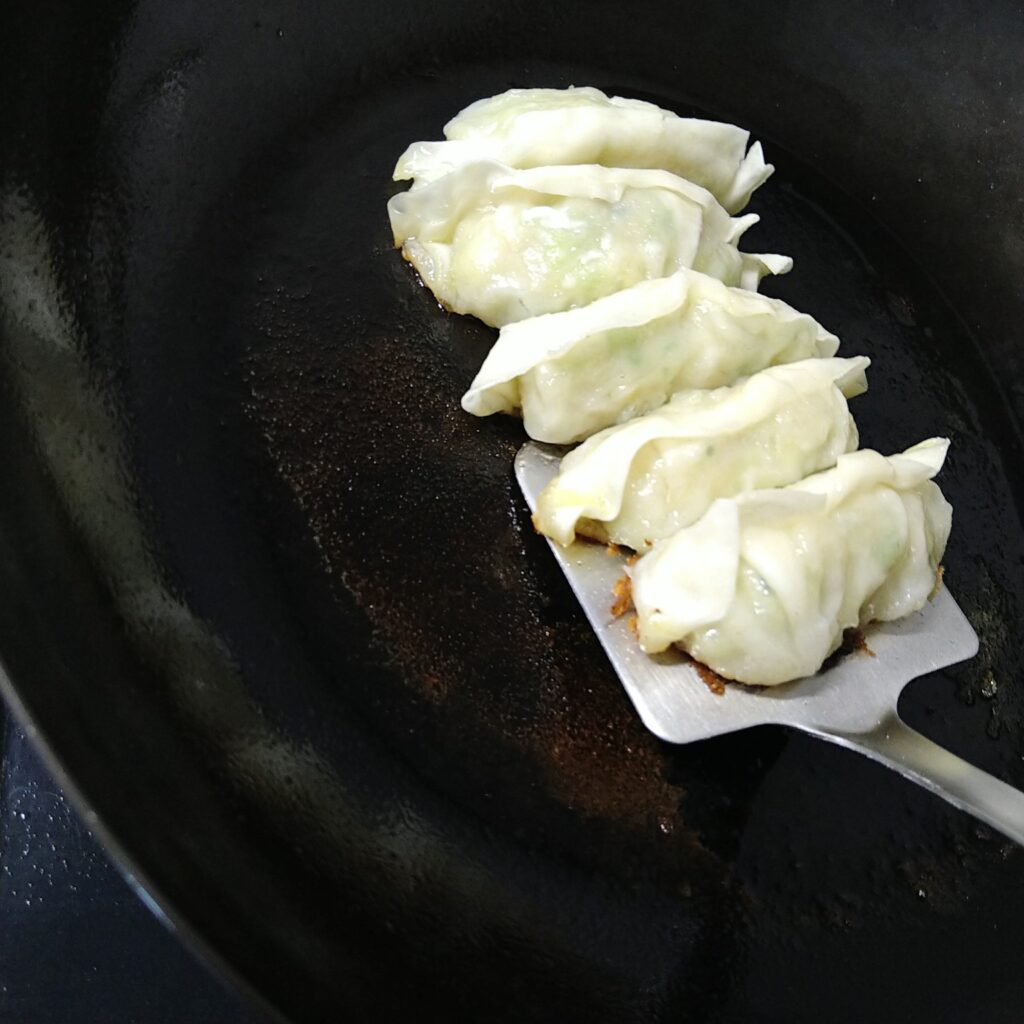
It doesn’t absorb oil or moisture and dries quickly after washing. Firm and thin, so the edge slides in cleanly under food.
When gyoza skin was stuck flat against the pan, I was able to slide the edge between the skin and the pan. At one point I scraped a little harder than intended — but no visible marks on the surface. This was my biggest concern going in, and it turned out to be a non-issue.
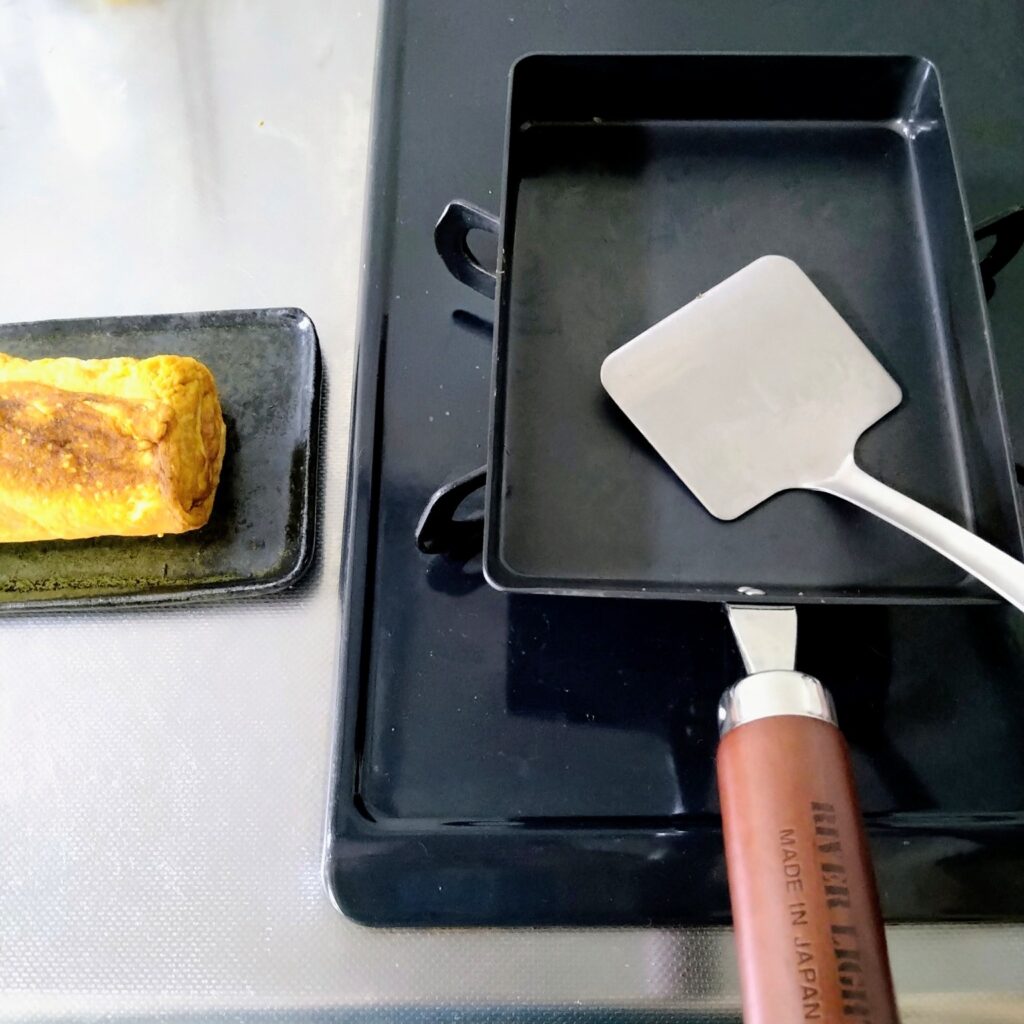
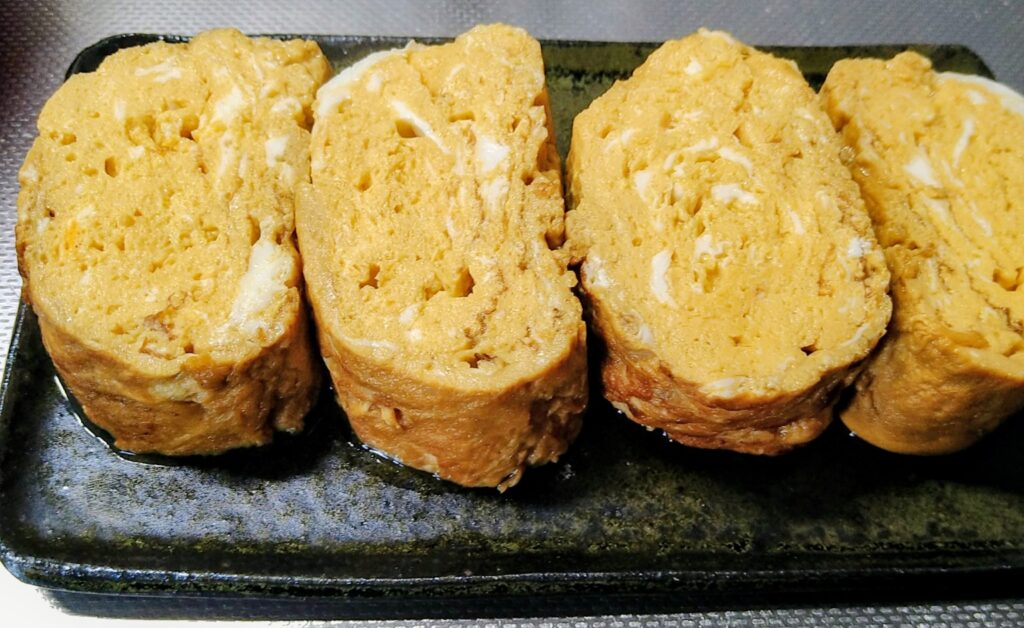
I expected the worst — egg sticking everywhere, burning badly. It wasn’t like that at all. Even with a brand new pan, almost nothing stuck, and the tamagoyaki came out soft and juicy.
Tips
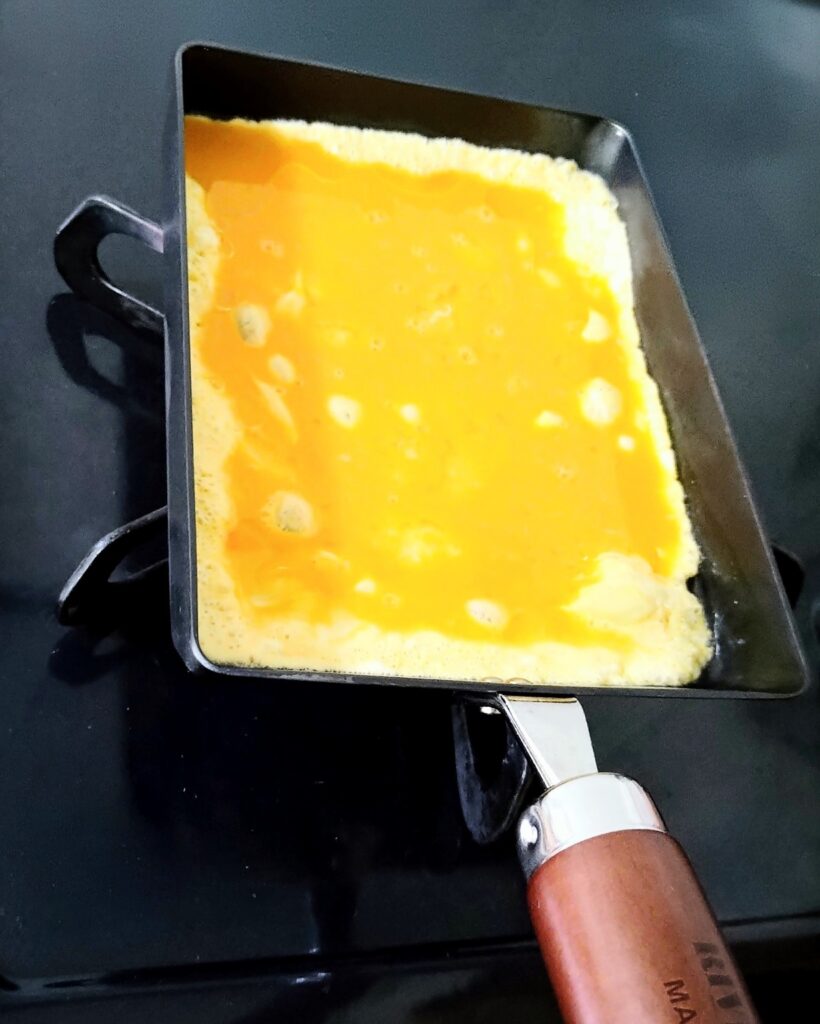
Pouring a small amount of egg and spreading it thinly.
Heat the pan thoroughly, just before it starts to smoke. Lower the heat, then add about 1/3 to 1/2 tablespoon of oil and tilt the pan to spread it to every corner and up the sides. A well-heated pan lets the oil flow easily across the surface.
Pour in the egg mixture in 5 to 6 small batches, rolling each layer while the surface is still half-set. Smaller amounts are easier to roll and harder to mess up.
Keep the heat low throughout.
Cooking It
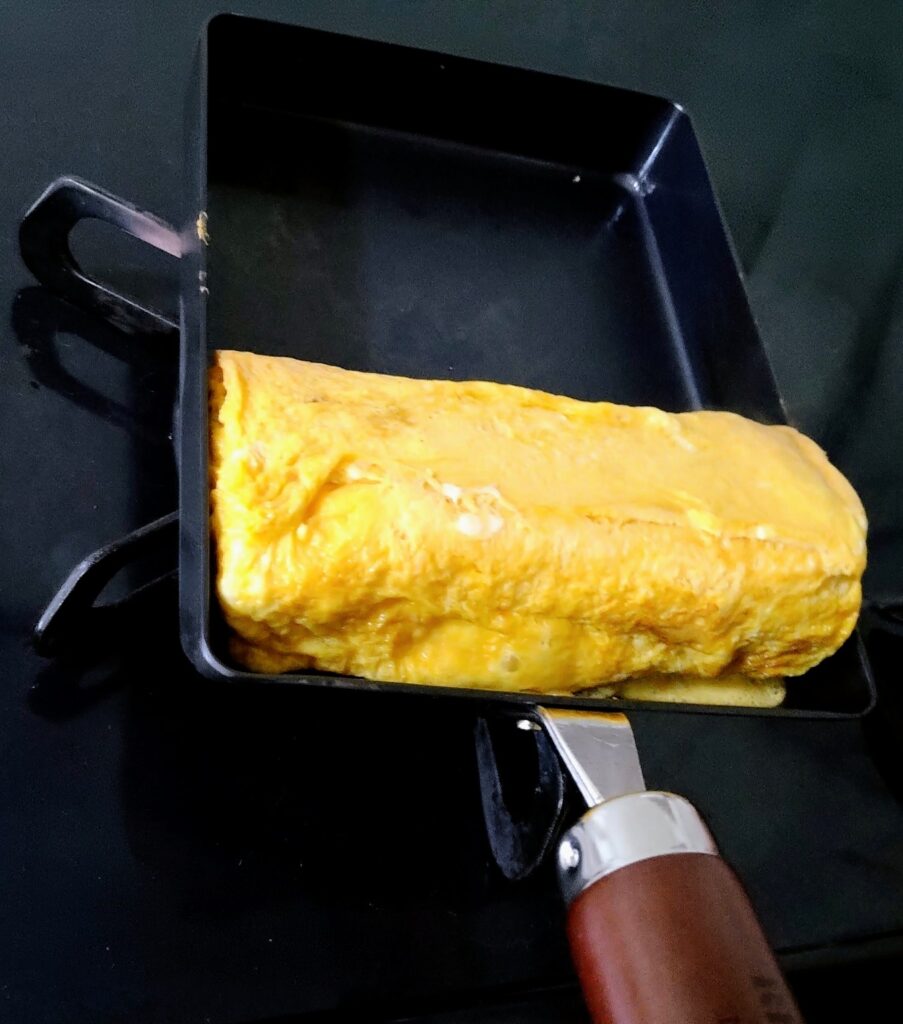
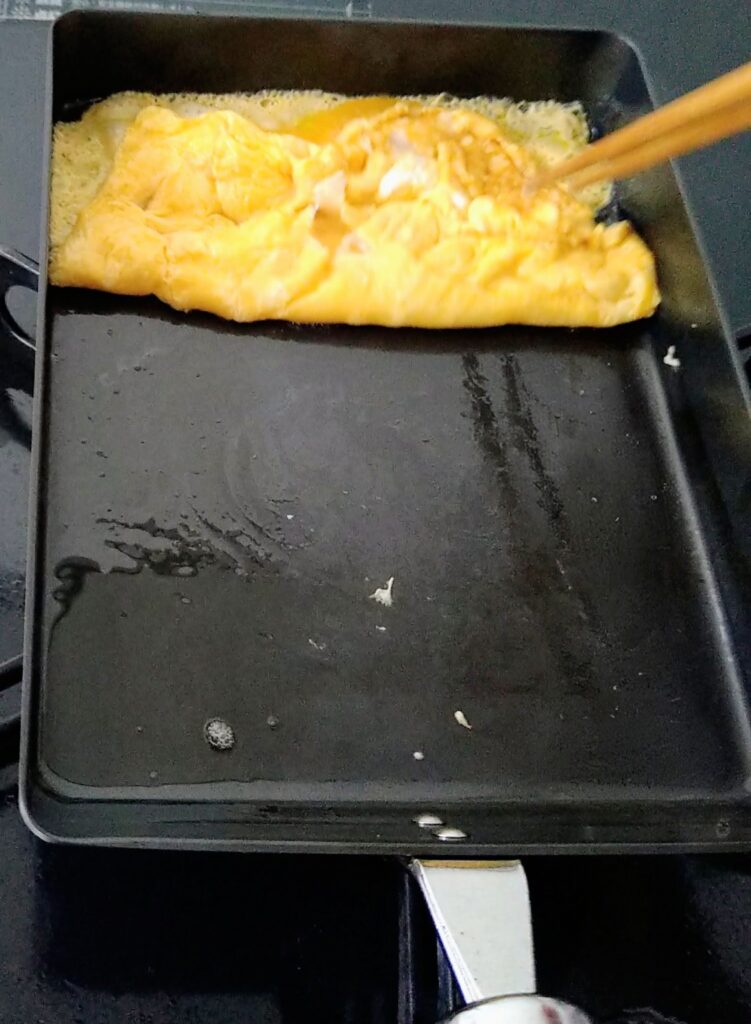
With just a light push from the chopsticks, the egg released cleanly. I switched to a spatula partway through to finish rolling.
When I used to make tamagoyaki with a non-stick pan, I would add more oil along the way. With the iron pan, the oil I added at the start was enough — nothing stuck until the end.
The mixture had sugar in it, and the pan was well heated, so I expected burning. But it barely burned at all.
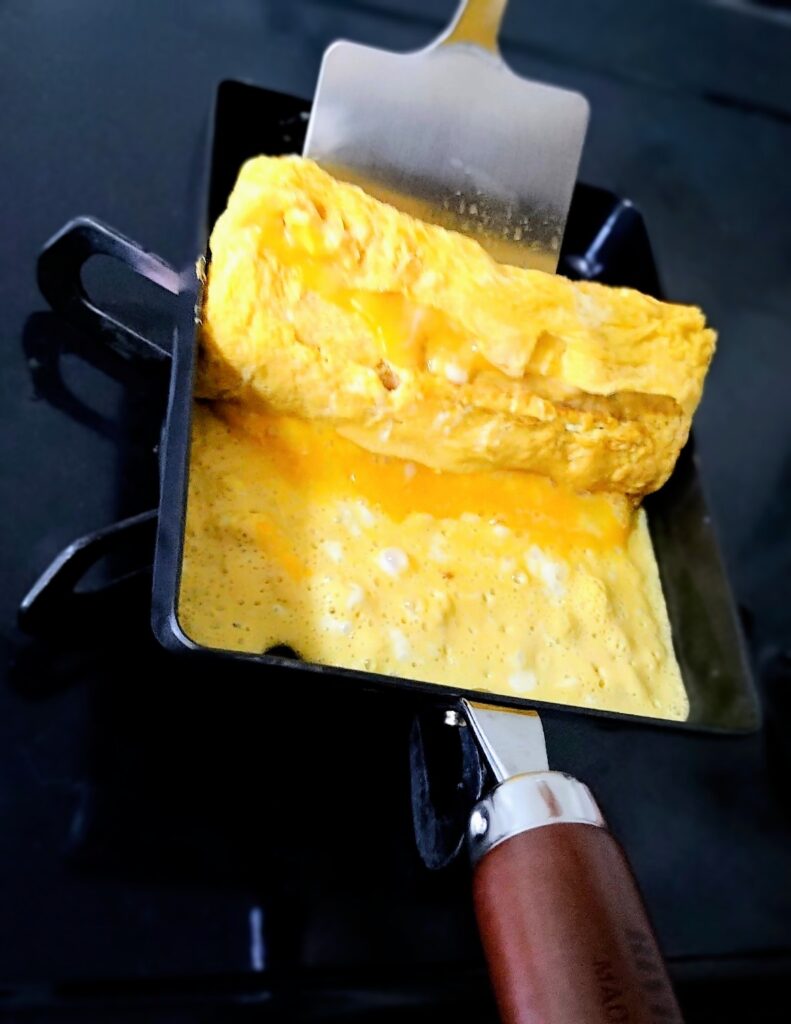
Cooking in thin layers, keeping the inside soft and slightly runny.
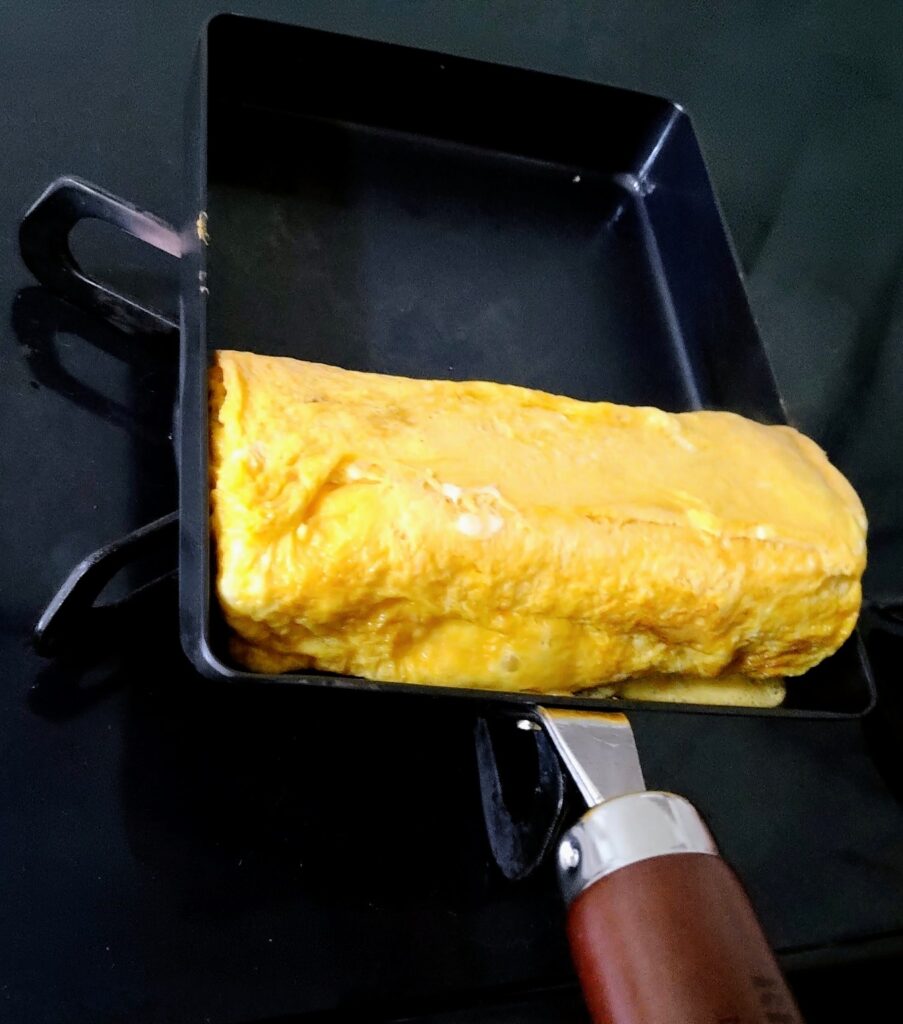
Finished tamagoyaki, with the pan still clean after cooking.
Side Note
The last 2 or 3 layers are what matter most for the final shape. The middle layers can look like scrambled eggs — that’s fine. If you can pull it together at the end, it’s a success. By my standards, at least.
Why It Works with Iron
I think it comes down to the properties of the pan itself.
Iron retains heat well, so even after adding the egg mixture, the surface temperature doesn’t drop much. Its good heat conductivity may also help the outside set quickly, even over low heat. As a result, the surface firms up before too much moisture can escape, which may be why the tamagoyaki stays soft and juicy without burning.
The microscopic texture of the iron surface may also help hold a thin layer of oil. That could explain why the oil added at the start was enough to last until the end.
Closing
The key to soft, juicy tamagoyaki is preheating, oil, and heat control. With those in mind, making tamagoyaki in an iron pan isn’t difficult. And the result is better than you’d expect.
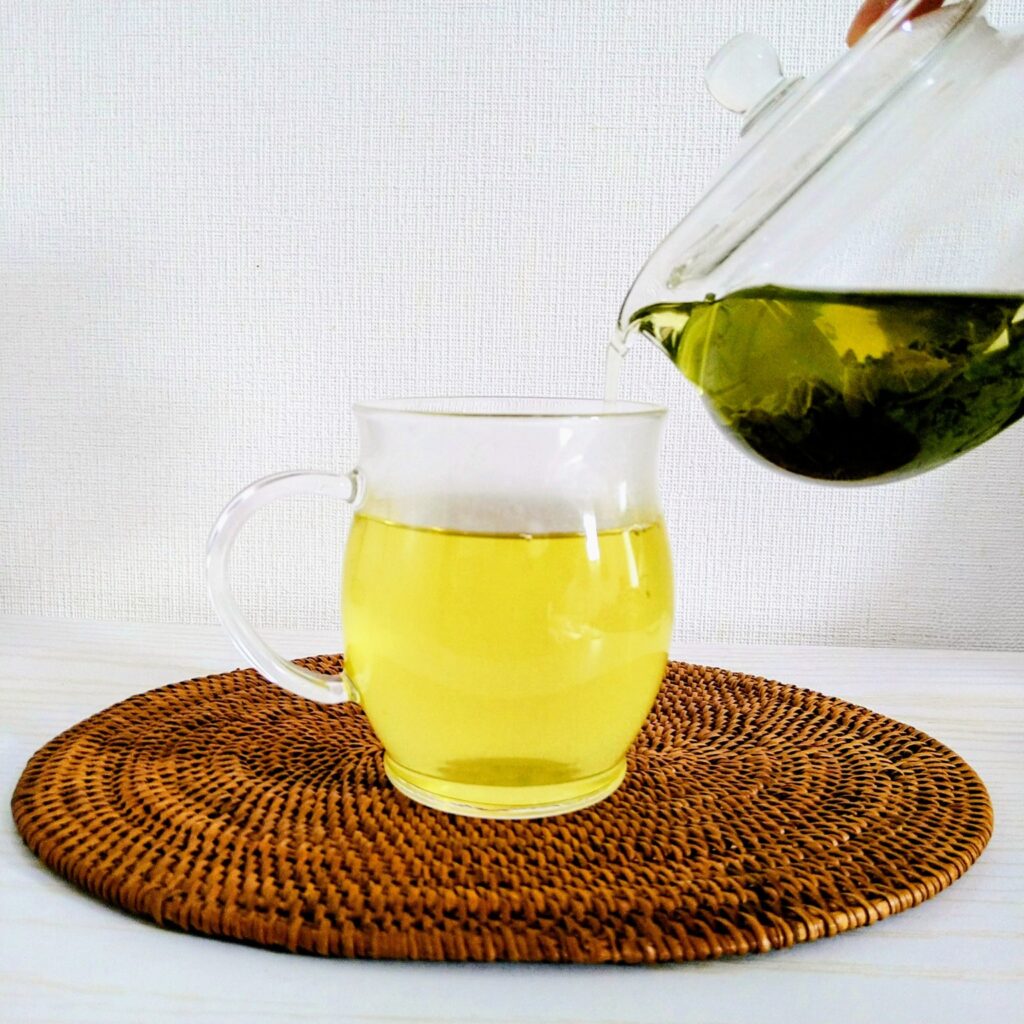
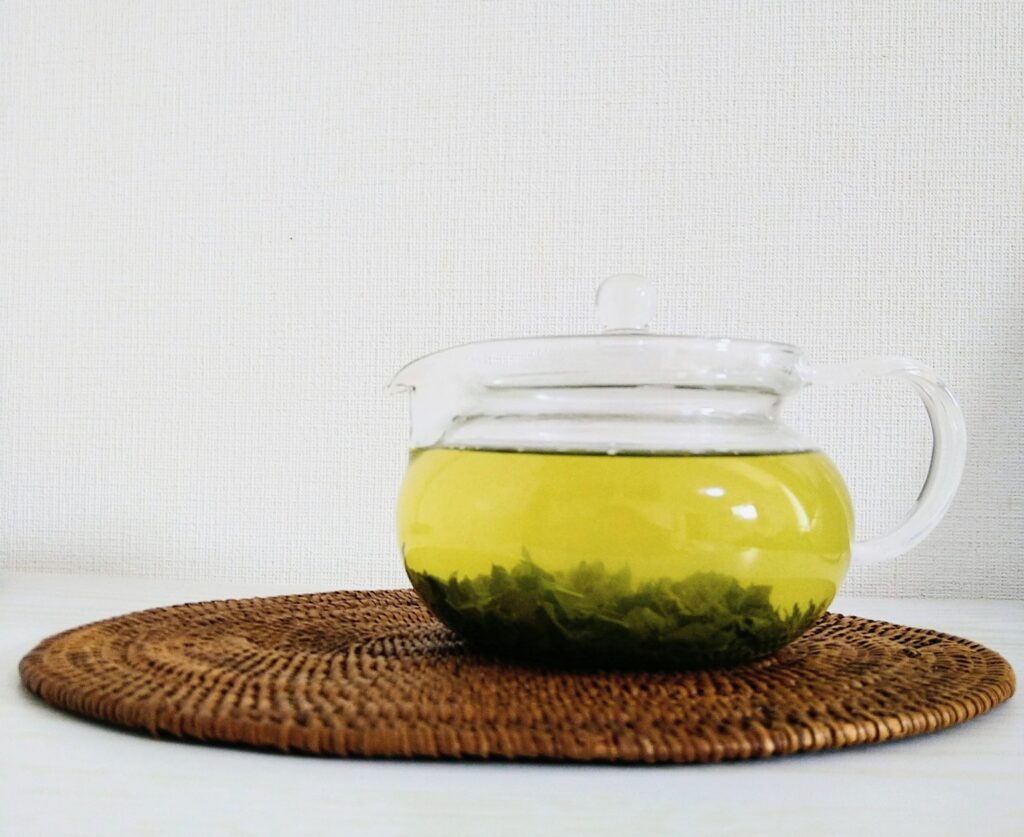
A glass teapot and mug let you see exactly what you’re brewing and drinking — nothing is hidden. This is the set I use every day.
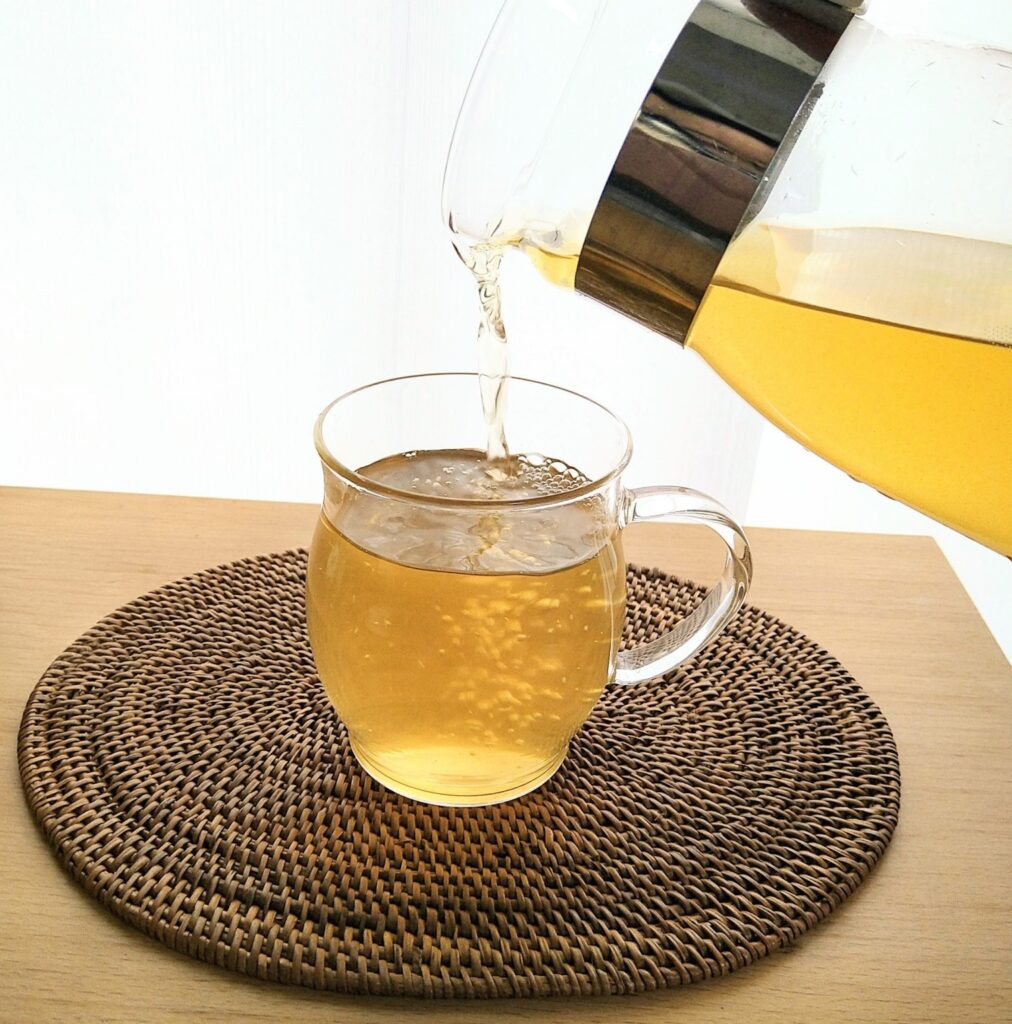
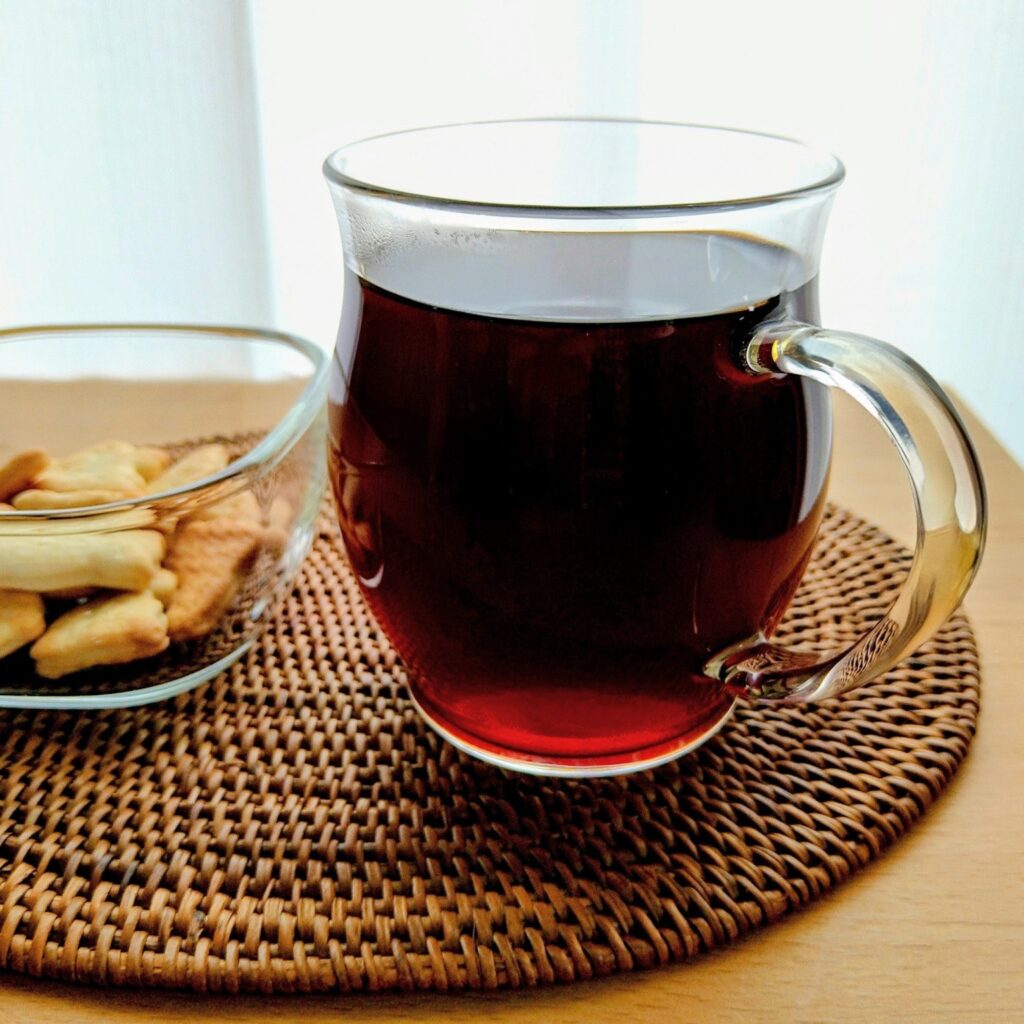
Pouring tea into a glass mug. You can see the color clearly.
Why HARIO
HARIO has been making heatproof glass in Japan since 1921 — starting with laboratory glassware, where precision and quality were everything. That same standard carries through to their everyday products today.
And it shows: all glass is made from 100% natural minerals. For something that touches your food and drink every day, that kind of care matters.
Teapot
Watching the leaves open is part of the process.
I use this teapot mostly for green tea and hojicha. Through the glass, you can watch the leaves open and adjust the strength as it brews.
I don’t use the included strainer, but I’ve never had issues with leaves getting stuck. It pours cleanly without dripping and is easy to wash.
A ceramic teapot can make the taste feel a bit rounder, but glass feels more direct — like you’re tasting the tea as it is.
Mug
The clear glass makes the color and aroma feel a little closer.
I use the mug for tea and coffee. I own many ceramic cups, but I often reach for this one. It doesn’t stain easily, can go in the dishwasher, and can be reheated in the microwave. It’s lightweight and easy to handle.
I also like the rounded shape. It allows air to move gently inside the cup, which helps the aroma rise and gather near the rim. Because of that, the fragrance feels a little easier to enjoy.
It’s simple, but something I find myself using every day.
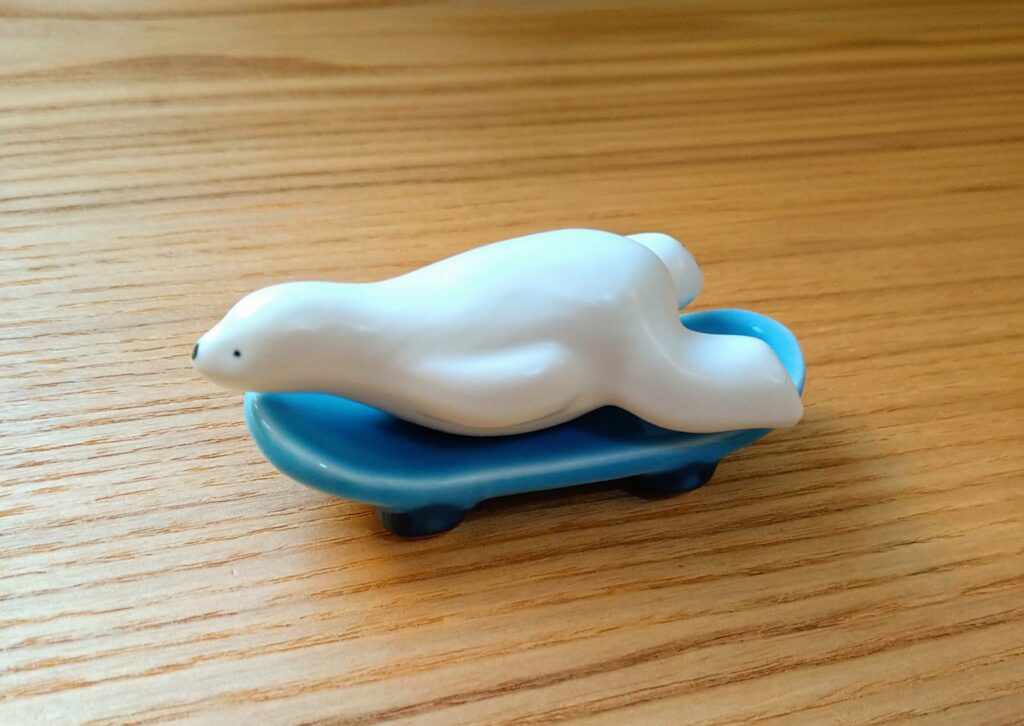
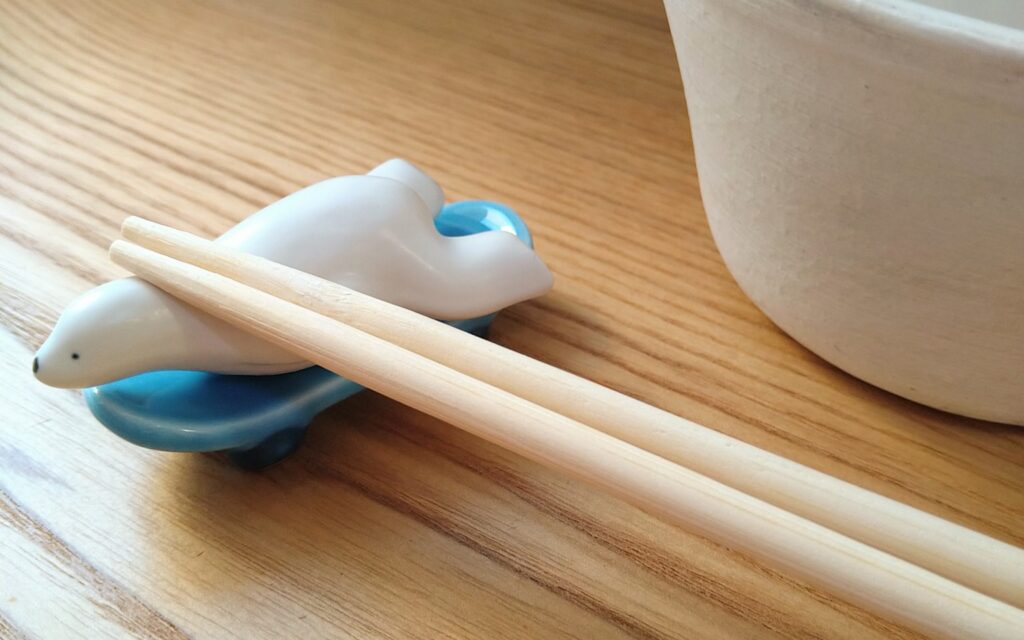
This polar bear-shaped chopstick rest is made by Kitagawa Misen Kiln, a workshop producing Arita ware in Saga Prefecture.
Design and Details
It looks as if it is sliding across ice — or perhaps swimming. From behind, you can see small paw prints quietly added as a detail. The surface has an even tone with a soft, subtle sheen, so it blends naturally with a variety of tableware.
A Small Moment of Playfulness
When paired with a skateboard-shaped chopstick rest from the same kiln, it brings a slightly different kind of playfulness to the table — one a little quieter, one a little more unexpected.
Who These Are For
A good fit for anyone who enjoys small, considered details on the table, anyone looking for a unique Japanese ceramic gift, or anyone who already owns the skateboard rest and wants to add to it.